




Yala Peak: The Easiest Climbing Peak in Nepal for First-Timers
 Nepal Vision Treks
 Aug 17, 2026
 10 Min Read
Yala Peak, at 5,520m in the Langtang region, is widely considered the most accessible climbing peak in Nepal, requiring no prior technical climbing experience and no steep ice or exposed ridge work, unlike Mera Peak or Island Peak. It's reachable in 9 to 14 days from Kathmandu, follows the well-established Langtang Valley trekking route for most of the approach, and costs roughly US$1,000 to US$1,800 per person depending on group size and season.
If you've read our comparison of Mera Peak and Island Peak for trekkers stepping up to their first serious climb, Yala Peak sits a rung below both of those on the difficulty ladder, and deliberately so. It exists specifically to give trekkers with strong hiking fitness but no mountaineering background a genuine, safe introduction to what climbing actually involves: crampons, an ice axe, a rope team, and a real summit, without the steep ice, glacier crevasse hazard, or extended altitude exposure that make Mera and Island Peak considerably more serious undertakings. If you've been eyeing peak climbing but aren't sure you're ready for either of those, this is very likely where you should actually start.
Why Yala Peak Is Nepal's Easiest Climbing Peak
No prior technical experience required
Yala Peak is officially classified as a non-technical trekking peak, and the description holds up in practice. The route to the summit involves a snow slope walk rather than steep ice climbing, with gradients that rarely demand more than basic cramponing technique. There's no roped glacier crossing with genuine crevasse hazard, no exposed rock scrambling, and no fixed-rope ice pitch of the kind that defines a summit day on Island Peak. Every guide leading a Yala Peak group builds in a dedicated training day at or near base camp specifically to teach crampon use, ice axe self-arrest, and basic rope team movement before the actual summit attempt, which means you're genuinely learning these skills properly rather than being thrown at them under pressure.
A shorter, gentler approach than Mera or Island Peak
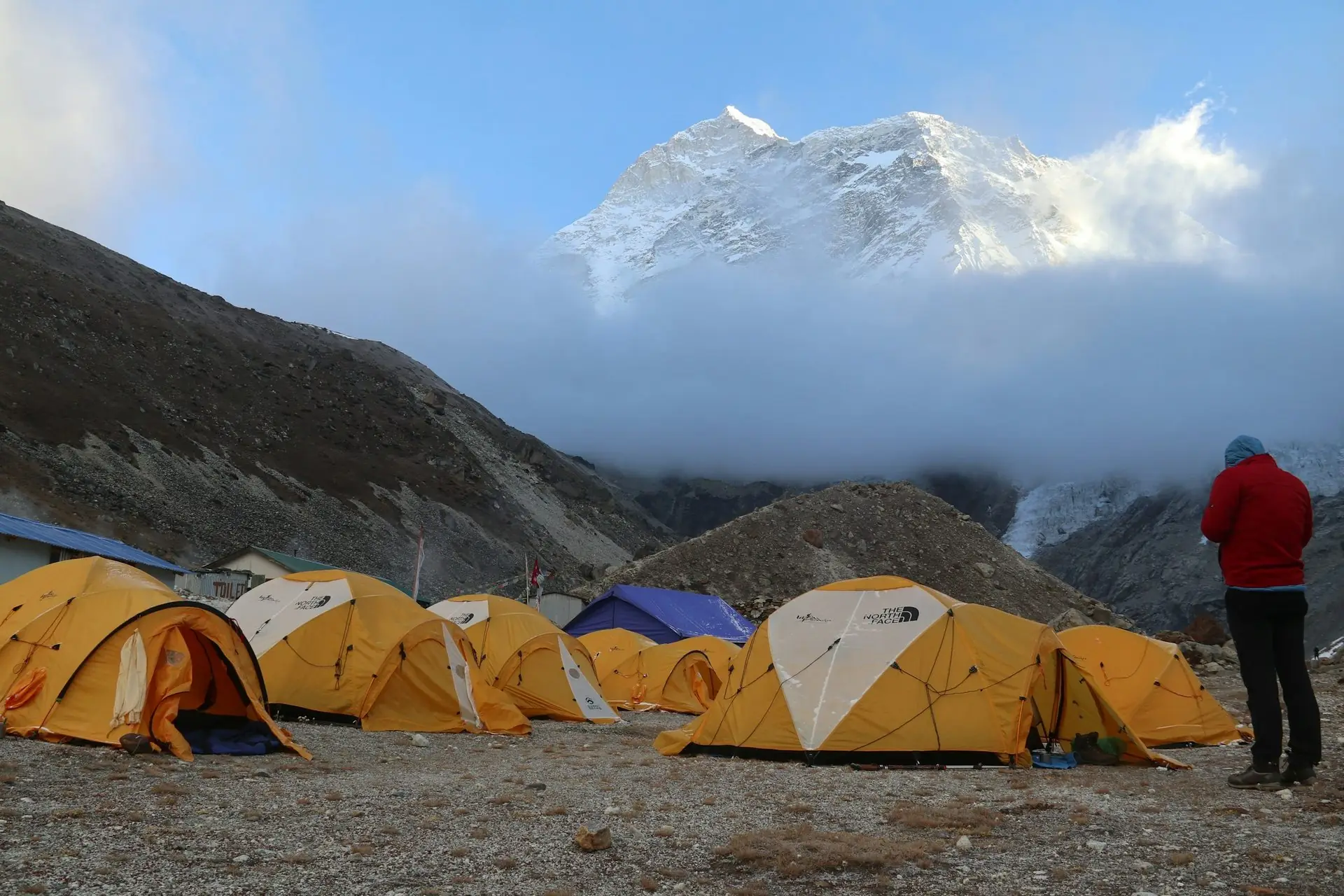
Most Yala Peak itineraries run 9 to 14 days door to door from Kathmandu, noticeably shorter than the 15 to 16 days typical of Mera or Island Peak packages. The approach follows the Langtang Valley Trek, one of the most established and well-supported trekking routes in Nepal, meaning you're walking through genuine teahouses with reasonable food and facilities for almost the entire approach, right up until the final push to base camp itself, where camping becomes necessary given the terrain and altitude.
A summit altitude that keeps risk genuinely manageable
At 5,520m, Yala Peak sits meaningfully lower than both Mera (6,476m) and Island Peak (6,189m), which matters more than the number alone suggests. Altitude sickness risk climbs steeply above 5,000m, and Yala's lower summit, combined with the gradual acclimatisation built into the Langtang approach, makes it a genuinely gentler introduction to high-altitude climbing physiology, not just an easier technical climb.
The Route: Following the Langtang Valley to Base Camp
Yala Peak's approach shares its trail almost entirely with the standard Langtang Valley Trek, one of Nepal's most scenic and culturally rich routes, and a major part of why this peak works so well as a first climb. From Syabrubesi, the trail follows the Langtang Khola through forests of oak, bamboo, and rhododendron, climbing steadily past the village of Lama Hotel and into the wide, glacier-carved Langtang Valley itself, with views of Langtang Lirung (7,246m) dominating the skyline for much of the walk.
Kyanjin Gompa, at roughly 3,870m, serves as the last proper village and the staging point for the climb, a small, atmospheric Tamang Buddhist settlement with a centuries-old monastery and, notably, a cheese factory producing genuinely good yak cheese, one of the more unexpected pleasures of this particular trek. From Kyanjin Gompa, the route to Yala base camp climbs away from the main valley trail into quieter, less-trekked terrain, with the crowds of the standard Langtang Trek thinning noticeably as you leave the main route behind.
What Summit Day Actually Involves
From base camp, typically situated around 4,900m, the summit push begins early, often around 3am to 4am, to take advantage of firmer snow conditions and to summit and descend before afternoon weather typically moves in. The climb itself is a sustained but non-technical snow slope, using crampons and, on the steeper upper sections, fixed rope for security rather than technical necessity. There's no scrambling, no exposed ridge traverse, and no glacier crevasse navigation of the kind that defines Island Peak's summit day.
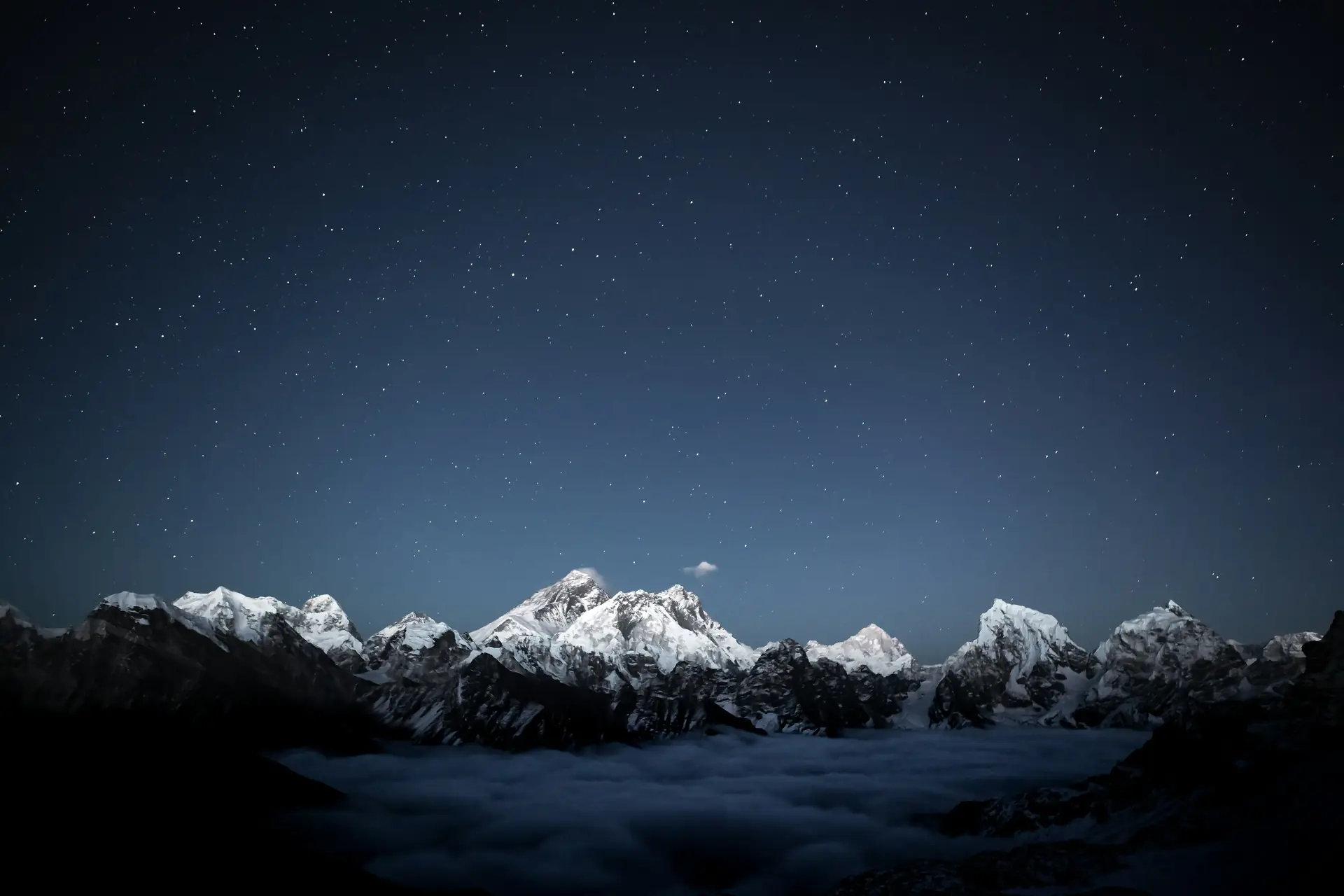
The reward at the top is genuinely disproportionate to the climb's technical difficulty: a 360-degree panorama taking in Langtang Lirung, Dorje Lakpa, Gangchempo, and on clear days, Shishapangma (8,027m) across the Tibetan border, along with distant views toward the Annapurna and Manaslu ranges. For a non-technical peak, the summit views hold their own against far harder climbs elsewhere in Nepal.
Our Itinerary for Yala Peak:
1st Day: Arrival in Kathmandu (1,300m/4,265 ft)
2nd Day: Sightseeing tour in the Kathmandu Valley
3rd Day: Drive from Kathmandu to Syabrubesi (1,450m/4,757ft) 8-9 hrs drive
4th Day: Trek from Syabrubesi to Lama Hotel (2,560m/8,399ft) 5-6 hrs walk
5th Day: Trek from the Lama Hotel to Langtang village (3,480m/11,417ft) 5-6 hrs walk
6th Day: Trek from the Langtang village to Kyanjing Gompa (3,870m/12,697ft) 3-4 hrs walk
7th Day: Acclimatization Day at Kyanjin Gompa
8th Day: Trek from Kyanjin Gumpa to Yala peak Base Camp(4,500m/14,764ft) 6-7 hrs walk
9th Day: Summiting the Yala Peak (5,500m/18,044ft) 7-8 hrs walk and return to the base camp
10th Day: Trek from Yala Peak Base Camp to Langtang Village (3,480m/11,417ft), a 4-5 hrs walk
11th Day: Trek from the Langtang village to Lama Hotel (2,560m/8,399ft) 5-6 hrs walk
12th Day: Trek from Lama Hotel to Syabrubesi (1,450m/4,757ft) 5-6 hrs walk
13th Day: Drive back to Kathmandu (1,300m/4,265 ft) 8-9 hrs drive
14th Day: Free day at Kathmandu
15th Day: Departure from Kathmandu
Cost: What a Yala Peak Climb Actually Costs
Pricing across Nepali operators for Yala Peak typically ranges from roughly US$1,000 to US$1,800 per person, with the spread driven mainly by group size, itinerary length, and season. Solo climbers or very small private groups sit toward the top of that range, since fixed costs like guide fees, permits, and base camp logistics don't scale down with fewer people to share them. Joining a group departure of four or more climbers typically brings the per-person cost down meaningfully, often by several hundred dollars, since the climbing guide, kitchen crew, and transport costs are shared across the group.
Autumn departures are also generally cheaper than spring ones for this specific peak, since the Langtang Conservation Area permit fee structure favours the autumn season, a genuine cost-saving factor worth weighing alongside the usual seasonal weather considerations. A typical inclusive package covers Langtang National Park permits, a climbing guide in addition to your trekking guide, porter support, teahouse accommodation through the approach, camping equipment and food at base camp, and basic climbing gear instruction, though technical gear itself, harness, crampons, ice axe, is commonly rented in Kathmandu rather than included outright, similar to how most operators handle gear for Mera and Island Peak.
Who Should Choose Yala Over Mera or Island Peak
If you've read our Mera Peak vs Island Peak comparison, the honest positioning is this: Yala Peak is the right choice if you've done solid high-altitude trekking, Annapurna Base Camp, the Langtang Valley Trek itself, or similar, but have zero prior exposure to crampons, an ice axe, or moving on a rope team, and want to genuinely learn those skills in a low-consequence setting before committing to something like Mera or Island Peak.
It's also the better choice if your available time is limited; at 9 to 14 days versus 15 to 16 for Mera or Island Peak, Yala fits into a shorter trip without sacrificing the genuine feeling of summiting a real Himalayan peak. And it's a strong option for climbers who want the achievement and the skills-building experience without the extended physical and altitude demands of a higher summit, since Yala delivers a real, satisfying climb without pushing you into the more serious territory that Mera and Island Peak represent.
Where Yala falls short is as genuine technical preparation for harder peaks. If your longer-term goal is something like Ama Dablam or a technical 7,000m peak, Island Peak's glacier travel and steep ice technique will teach you considerably more than Yala's gentler snow slope will. Think of Yala as the right first step for most people, and Island Peak as the right second step for those specifically chasing technical skill.
Curious whether Yala Peak fits your next trip to Nepal? Get in touch with Nepal Vision Treks at our office on Dabali Marg, Thamel, Kathmandu, call or WhatsApp us on +977 9802342081, or email [email protected], and we'll talk through whether Yala, Mera, or Island Peak is the right first climb for where you're at.