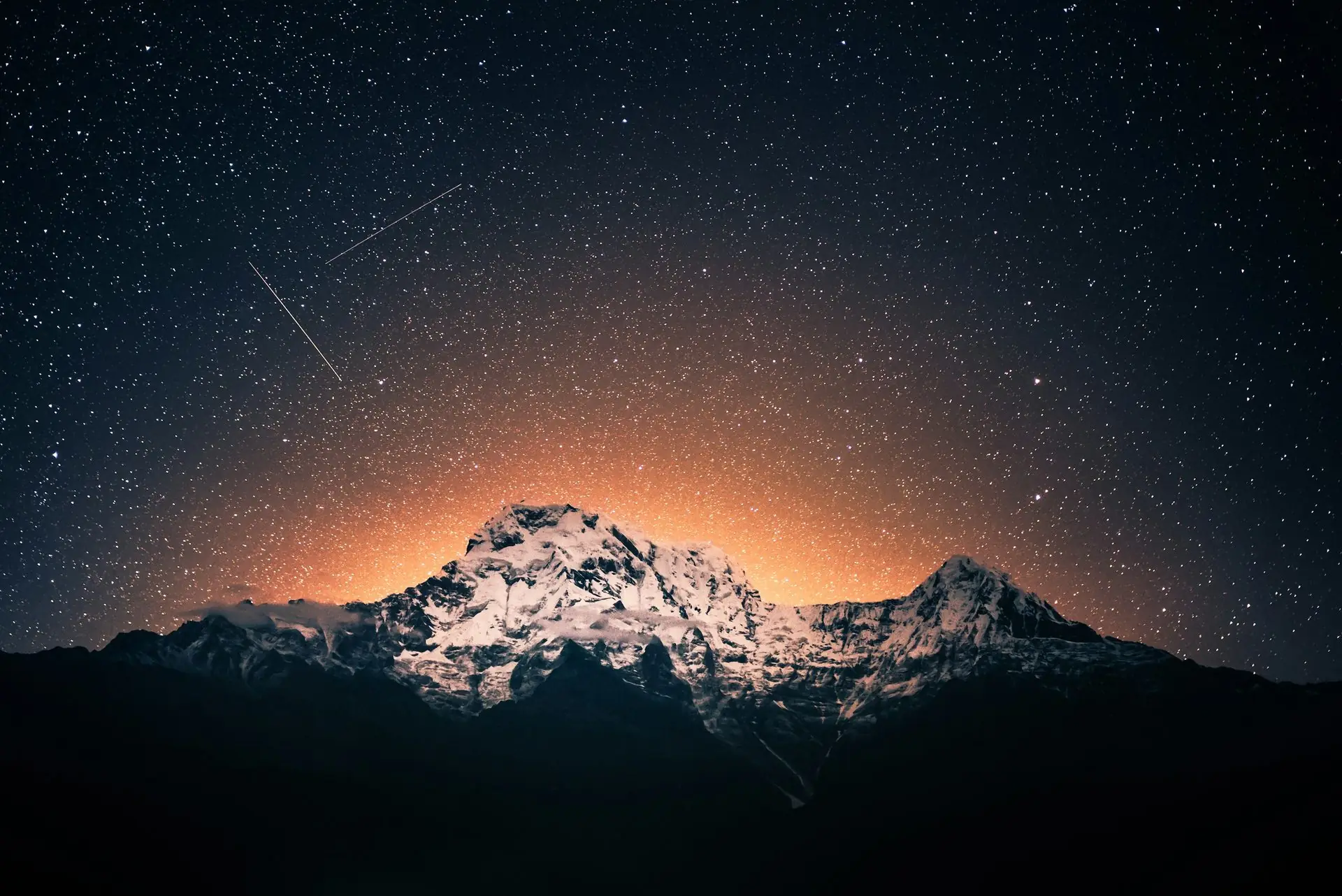
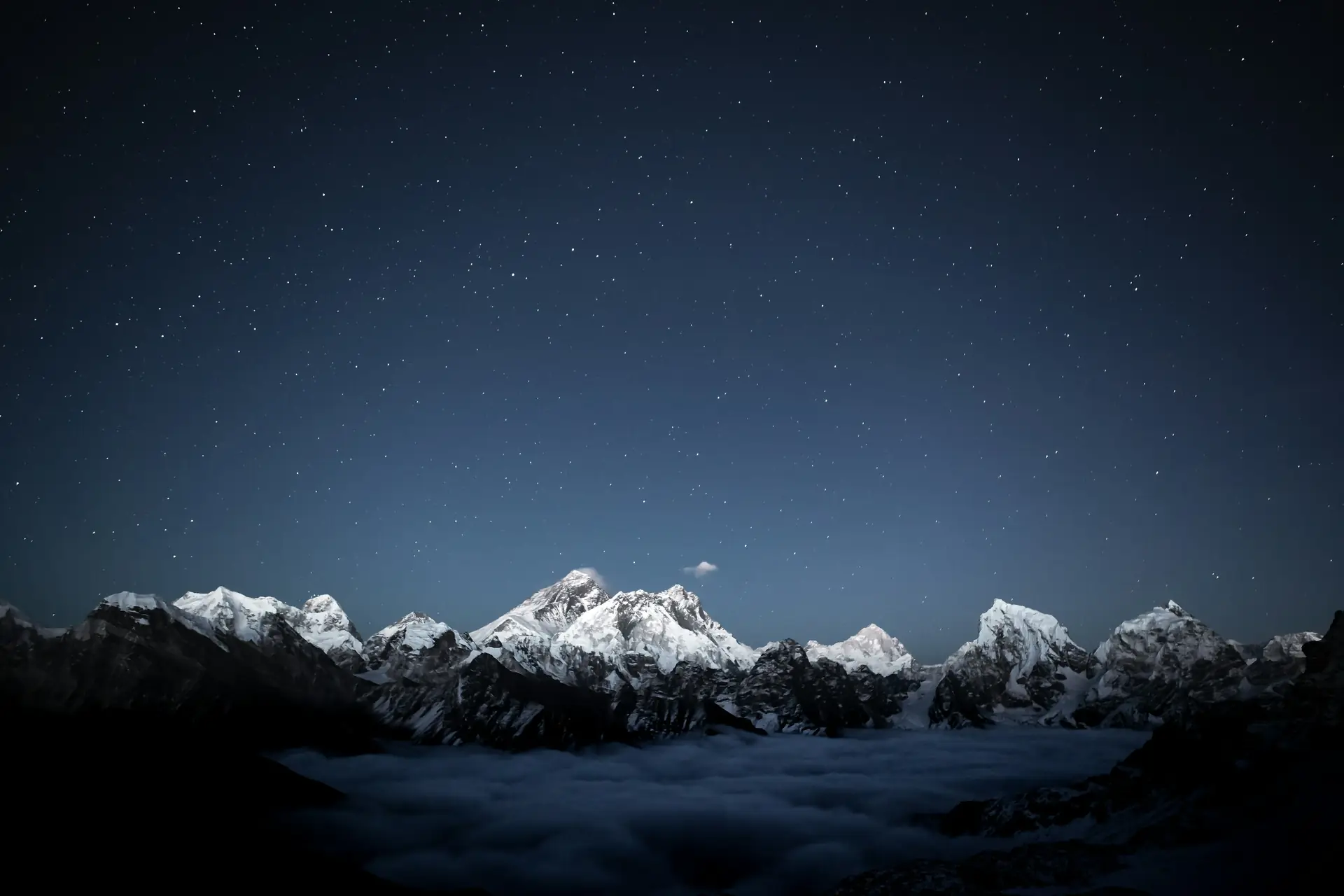
Our client wanted to be captured during her Everest Base Camp Trek

Everest Base Camp Short Trek - 11 Days

11Days
5,550mMax altitude
MediumDifficulty
$1,395per person

Overview

Everest Base Camp Short Trek - 11 Days

Everest Base Camp Trek 11 Days

The Everest Base Camp trek 11 days is the fastest standard route to Everest Base Camp we run, covering Lukla to base camp and back in nine trekking and flight days bracketed by an arrival and a departure day in Kathmandu. The highest point is Kala Patthar at 5,550m, reached the morning after Everest Base Camp itself at 5,364m. It suits fit, time-limited travellers who want the full EBC experience without a two or three week block off work, and who understand that a faster schedule means less built-in acclimatisation margin than our 14 or 20-day itineraries.

Detail

This itinerary

Duration11 days, Kathmandu to Kathmandu (includes 1 arrival day and 1 departure day)
Highest pointKala Patthar, 5,550m. Everest Base Camp itself sits at 5,364m
DifficultyMedium to hard, faster pace than our other EBC itineraries
Daily walking time3 to 8 hours, most days in the 5 to 7 hour range
Best seasonMarch to May, and September to December
Group sizeOpen group, join anytime, or book a private departure on your own dates
PriceFrom US$1,395 per person

Who This Trek Is For, and Who Should Choose a Longer Itinerary

This itinerary suits reasonably fit trekkers, have done some hill walking or multi-day hiking before, and have 11 to 13 days total to spend in Nepal including flights in and out of Kathmandu. If your annual leave is genuinely tight and Everest Base Camp is the goal rather than a slower, fuller exploration of the Khumbu, this is built for you.

It's not the right choice if this would be your first time at high altitude and you'd rather have more buffer days built in, if you want to add Gokyo Lakes or a longer cultural stop in Namche, or if you're simply anxious about altitude sickness and would sleep easier with two dedicated acclimatisation days rather than one. For any of those, our 14-day Everest Base Camp trek adds extra time at Namche Bazaar and Dingboche specifically to let your body adjust before pushing higher, and our 20-day Everest Base Camp trek goes further still. Neither is objectively better, they trade cost and time for a larger acclimatisation margin.

Itinerary Outline:

Day 1: Arrival in Kathmandu (1,300m)

Day 2: Fly to Lukla (2,840m) and Trek to Phakding (2,610m), 3 to 4 Hours

Day 3: Trek from Phakding to Namche Bazaar (3,440m), Roughly 800m of Elevation Gain, 5 to 6 Hours

Day 4: Hike from Namche to Tengboche (3,860m), 5 to 6 Hours

Day 5: Trek to Dingboche (4,410m), 5 to 6 Hours

Day 6: Trek from Dingboche to Lobuche (4,940m), 4 to 5 Hours

Day 7: Trek to Gorak Shep (5,164m) and On to Everest Base Camp (5,364m), 7 to 8 Hours

Day 8: Early Hike to Kala Patthar (5,550m) and Trek Back to Pheriche, 7 to 8 Hours

Day 9: Trek from Pheriche to Namche Bazaar (3,440m), 6 to 7 Hours

Day 10: Trek from Namche to Lukla (2,840m), 6 to 7 Hours

Day 11: Fly Back to Kathmandu

Duration11 Days
DifficultyMedium
Max altitude5,550m
Start / EndKathmandu
AccommodationTourist Standard Hotel
Everest Base Camp Short Trek - 11 Days photo
  • Sunrise/Sunset view from Kalapathhar
  • Tyangboche Monastery
Everest Base Camp Short Trek - 11 Days photo Everest Base Camp Short Trek - 11 Days photo Everest Base Camp Short Trek - 11 Days photo Everest Base Camp Short Trek - 11 Days photo

Best Season for this trip

March to May & Sep to Dec

Spring: Mar-May Monsoon: Jun-Aug Autumn: Sep-Nov Winter: Dec-Feb

Day by day

Unfold your journey

Everest Short Trek Map

Kathmandu → Kathmandu

Map of Everest Base Camp Trek
day
1

Arrival in Kathmandu (1,300m)

20 Minutes Hotel Kathmandu Welcome Dinner
Our team meets you at Tribhuvan International Airport and transfers you to your hotel. The day is kept deliberately light, no sessions or activities scheduled, since many trekkers arrive after a long international flight. A welcome dinner in the evening covers the trip briefing, gear check, and a chance to ask questions about the days ahead.
Arrival in Kathmandu (1,300m)
day
2

Fly to Lukla (2,840m) and Trek to Phakding (2,610m), 3 to 4 Hours

20 Minutes 20 minutes 3-4 hrs Tea House Phakding Lunch & Dinner Breakfast
The short mountain flight to Lukla is one of the more memorable starts to any Everest region trek, threading between ridgelines before landing on Lukla's short, sloped runway. From Lukla, the trail actually descends rather than climbs, following the Dudh Koshi river downstream through Chheplung and Ghat, crossing the first of many suspension bridges strung with prayer flags. Phakding sits right on the riverbank and is kept as a short first day deliberately, giving your body an easy introduction before the terrain steepens.
Fly to Lukla (2,840m) and Trek to Phakding (2,610m), 3 to 4 Hours
day
3

Trek from Phakding to Namche Bazaar (3,440m), Roughly 800m of Elevation Gain, 5 to 6 Hours

6 Hrs Tea House Namche Bazaar Lunch &Dinner Breakfast
The trail follows the Dudh Koshi upstream, crossing it several times on suspension bridges, including the high Hillary suspension bridge near Jorsalle. At Monjo, the trail enters Sagarmatha National Park, where your permits are checked. Beyond the park entrance, the final stretch into Namche is a genuinely steep, switchbacking climb that catches a lot of first-time trekkers off guard, since it's the single biggest sustained climb so far. Namche Bazaar itself, the trading capital of the Khumbu, sits in a natural amphitheatre in the hillside and is worth the effort for its bakeries, gear shops and first proper mountain views.
Trek from Phakding to Namche Bazaar (3,440m), Roughly 800m of Elevation Gain, 5 to 6 Hours
day
4

Hike from Namche to Tengboche (3,860m), 5 to 6 Hours

5-6 Hrs Tea House Tyangboche Lunch & Dinner Breakfast
The trail initially contours along the valley with wide views of Everest, Lhotse and Ama Dablam before dropping to Phunki Thanga at the river, then climbing steadily through rhododendron and fir forest to Tengboche. This is a genuinely tough climb on tired legs, gaining several hundred metres in one push, but Tengboche's monastery, the largest and most significant in the Khumbu, sits in an amphitheatre of peaks that makes the effort worthwhile. If the timing works, the afternoon prayer ceremony inside the monastery is worth attending.
Hike from Namche to Tengboche (3,860m), 5 to 6 Hours
day
5

Trek to Dingboche (4,410m), 5 to 6 Hours

5-6 Hrs Tea House Dingboche Lunch & Dinner Breakfast
The trail drops through rhododendron forest to Deboche and Pangboche, passing one of the older monasteries in the region, before the landscape opens out considerably beyond the tree line. The final approach to Dingboche crosses drier, more exposed terrain, with Ama Dablam now visible at close range. This is the itinerary's only real acclimatisation buffer before the push to Lobuche, worth treating as genuine rest rather than an extra sightseeing opportunity.
Trek to Dingboche (4,410m), 5 to 6 Hours
day
6

Trek from Dingboche to Lobuche (4,940m), 4 to 5 Hours

4-5 Hrs Tea House Labuche Lunch & Dinner Breakfast
A shorter day in hours, but the altitude makes it feel harder than the distance suggests. The trail climbs past Dughla, where a cluster of stone memorials commemorates climbers who died on Everest expeditions, a genuinely sobering stop worth taking a few minutes at rather than walking straight through. Beyond Dughla, the terrain turns rockier and more exposed on the approach to Lobuche, a small settlement that exists mainly to service trekkers on the final push toward Base Camp.
Trek from Dingboche to Lobuche (4,940m), 4 to 5 Hours
day
7

Trek to Gorak Shep (5,164m) and On to Everest Base Camp (5,364m), 7 to 8 Hours

7-8 Hrs Tea House Gorekshep Lunch & Dinner Breakfast
The longest and most significant day of the trek. The trail follows the lateral moraine of the Khumbu Glacier, rocky and slow going rather than technical, with Pumori dominating the skyline ahead. At Gorak Shep, a stark settlement built on a dried glacial lakebed, bags stay at the teahouse for the final push to Base Camp itself, threading across the glacier's moraine with the Khumbu Icefall coming into view as you near camp. After time at Base Camp, the same trail returns to Gorak Shep for the night.
Trek to Gorak Shep (5,164m) and On to Everest Base Camp (5,364m), 7 to 8 Hours
day
8

Early Hike to Kala Patthar (5,550m) and Trek Back to Pheriche, 7 to 8 Hours

7-8 Hrs Tea House Pheriche Lunch & Dinner Breakfast
A pre-dawn start for the climb to Kala Patthar, since Everest's summit itself isn't actually visible from Base Camp and this is the best accessible viewpoint for it. The climb is short in distance but genuinely hard in the cold and thin air before sunrise. After descending back to Gorak Shep for breakfast, the rest of the day is a long, steady descent back down through Lobuche to Pheriche, a noticeably long day on legs already tired from the pre-dawn climb.
Early Hike to Kala Patthar (5,550m) and Trek Back to Pheriche, 7 to 8 Hours
day
9

Trek from Pheriche to Namche Bazaar (3,440m), 6 to 7 Hours

6-7 Hrs Tea House Namche Lunch & Dinner Breakfast
A long descent retracing the route through Tengboche and the forested lower valley. Most trekkers notice how much easier breathing feels with every few hundred metres of descent, and Namche's bakeries and hot showers are a welcome sight after several nights in more basic teahouses higher up.
Trek from Pheriche to Namche Bazaar (3,440m), 6 to 7 Hours
day
10

Trek from Namche to Lukla (2,840m), 6 to 7 Hours

6-7 Hrs Tea House Lukla Lunch & Dinner Breakfast
The final full trekking day, retracing the route back down through Monjo, Phakding and the lower Dudh Koshi valley to Lukla. Most groups mark the end of the trek with a final dinner together in Lukla.
Trek from Namche to Lukla (2,840m), 6 to 7 Hours
day
11

11th Day: Fly Back to Kathmandu

20 Minutes Breakfast
An early flight, weather permitting, returns you to Kathmandu, with the rest of the day free before your onward travel.
11th Day: Fly Back to Kathmandu

Short Everest Base Camp Trek Altitude Chart

Metres above sea level

Altitude chart of Everest Base Camp Trek

What's covered

Inclusions & exclusions

Trip includes

  • All airport and hotel transportation by private vehicle in Kathmandu as per the itinerary suggested.
  • Deluxe twin-sharing accommodation in Kathmandu with breakfast
  • Farewell dinner in Kathmandu (Alcoholic beverages are excluded)
  • Kathmandu to Lukla to Kathmandu by flight
  • Full board meal (breakfast, lunch, dinner, tea & coffee) during the trek
  • Seasonal fruits during the trek are provided
  • Comfortable & clean accommodation on teahouse/lodge/tent during the trek
  • Government Registered Trek guide (English speaking, First Aid and eco trained), Sherpa porter (one porter for two trekkers)
  • All necessary paper works, Everest region entry fee, and permits & TIMS card
  • Four seasonal sleeping bags, Nepal Vision Treks duffel bag, and trekking map (sleeping bag to be returned after trip completion)
  • First aid exclusive medical kit bag
  • All government and local taxes

Trip excludes

  • Visa fees (You can obtain a visa easily upon your arrival at Tribhuwan International Airport in Kathmandu so (bring accurate USD cash and two passport photographs)) International airfare to and from Kathmandu
  • Lunch and dinner in Kathmandu & Pokhara except for welcome & fare well dinner (and also in the case of early return from the mountain than the scheduled plan)
  • Any extra night accommodation in Kathmandu because of early arrival, late departure, and early return from the mountain (due to any reason) than the scheduled itinerary plan
  • Travel and rescue insurance

Dates & Prices

Upcoming Departures

departure

status

from

19-29 October 2026

Guaranteed

Open group · join anytime

$1,395

join us

22 Oct - 1 Nov 2026

Guaranteed

Open group · join anytime

$1,395

join us

25 Oct - 4 Nov 2026

Guaranteed

Open group · join anytime

$1,395

join us

28 Oct - 7 Nov 2026

Guaranteed

Open group · join anytime

$1,395

join us

Dates don’t fit? Every trip also runs privately on the date of your choice. Book a private departure.

FAQ’s

What travelers often ask

Is 11 days enough to acclimatise for Everest Base Camp?
It can be, for a fit trekker with no prior altitude issues, since the route paces sleeping altitude gain carefully. But this itinerary has no dedicated rest day, unlike our 14-day version. If you'd prefer a larger safety margin, or this is your first time above 3,000m, the 14-day itinerary is worth the extra time and cost.
Can beginners do the 11-day Everest Base Camp trek?
Yes, if you're reasonably fit and prepared for consecutive long walking days. This is more demanding than our 14-day itinerary specifically because of the pace, so beginners with any doubt about their fitness may find the slower option more comfortable.
What happens if my flight to Lukla is delayed?
Lukla flights are weather-dependent and delays happen, sometimes for a day or more. This 11-day itinerary has minimal built-in buffer, so a significant delay could compress your time at Base Camp or require itinerary changes on the ground. Our team manages this in real time if it occurs.
How does this trip compare in cost to the 14-day version?
This itinerary starts from US1,395perperson,againstUS1,895 for the 14-day trek. The difference reflects two additional days on the trail, including the extra acclimatisation days, rather than a difference in what's included per day.
Do I need previous trekking experience?
No specific high-altitude experience is required, but general fitness and comfort with 5 to 8 hour walking days matter more here than on our longer itineraries, given the faster pace.
What is the highest point on this trek?
Kala Patthar, at 5,550m, reached the morning after visiting Everest Base Camp itself at 5,364m.
Is a guide included, and are they qualified for altitude situations?
Yes. A government-registered, English-speaking guide with first aid training accompanies the group throughout and monitors how everyone is coping with the altitude on a daily basis.
What should I do about travel insurance?
Travel and rescue insurance is required for this trek but isn't sold directly by us. Look for a policy that explicitly covers trekking at altitudes above 5,000m and includes emergency helicopter evacuation.

Good to know

Useful information

Altitude and Acclimatisation on a Compressed Schedule

Be direct with yourself about this before booking: this 11-day itinerary does not include a dedicated, full acclimatisation rest day, unlike our 14 and 20-day itineraries, which build in extra nights at Namche and Dingboche specifically for that purpose. Instead, this route manages altitude gain through pacing, shorter walking days at key altitude thresholds, an overnight at Dingboche before the push to Lobuche, and a same-day return from Kala Patthar rather than a second night at 5,550m.

That said, it isn't reckless. Sleeping altitude gain per night stays within commonly used guidelines for most of the route, and your guide, who is government-registered, English-speaking, and first aid trained, will check in with the group daily on how everyone's feeling and adjust pace if symptoms of acute mountain sickness appear, which can include headache, nausea or unusual fatigue. If symptoms don't improve with rest and fluids, the response is to descend, not to push on. We are not able to give specific medical advice here, and if you have any underlying health conditions or concerns about altitude, speak to your doctor before booking, ideally one with travel medicine experience.

If you'd genuinely rather not compress this part of the trip, that's a completely reasonable call, and the 14-day itinerary exists for exactly that reason.

Difficulty and Training

This trek is graded medium to hard, mainly because of the pace rather than technical terrain. There's no climbing or exposed scrambling, but back-to-back days of 5 to 8 hours walking at altitude, with limited rest built in, ask more of your legs and lungs than a slower itinerary would. If you can comfortably hike 5 to 6 hours on hilly terrain with a daypack before you arrive, you're starting from a reasonable base. Building general cardiovascular fitness in the two to three months beforehand, hill walking, running, or cycling, along with some hikes carrying a loaded pack, will make the daily distances feel considerably more manageable. This isn't medical advice, and if you're returning to exercise after a break or managing any health condition, check with your doctor before starting a training plan.

One correction worth flagging on this route's permits: a TIMS card is no longer required for treks through the Khumbu, since the Khumbu Pasang Lhamu Rural Municipality permit replaced it in 2018. What you need is the Sagarmatha National Park entry permit and that municipality permit, both of which we handle as part of your booking regardless of how the paperwork gets described.

Best Time for the 11-Day Everest Base Camp Trek

March to May and September to December are the strongest windows. Autumn, September to November, typically has the clearest post-monsoon air and the most stable weather for the Kala Patthar sunrise. Spring, March to May, brings warmer daytime trekking temperatures and rhododendron blooms lower down the valley. Late season departures into early December can work well too, with fewer trekkers on the trail, though nights get noticeably colder at altitude.

Everest Base Camp Trek: 11 vs 14 vs 20 Days

The core difference is acclimatisation margin, not the destination. All three itineraries reach the same Everest Base Camp and Kala Patthar. This 11-day version compresses the schedule and skips a dedicated rest day, relying on pacing instead. The 14-day Everest Base Camp trek, priced from US$1,895, adds acclimatisation days at Namche and Dingboche, giving your body more time to adjust before each altitude gain. The 20-day Everest Base Camp trek extends further still, generally suited to trekkers who want a slower pace throughout or are combining the trek with additional side valleys. For a fuller breakdown of how the three compare day by day, see our blog post, Everest Base Camp Trek: 11 vs 14 vs 20 Days, Which Itinerary Should You Choose?

Permits and Practical Notes

This trek requires the Sagarmatha National Park entry permit and the Khumbu Pasang Lhamu Rural Municipality permit, both arranged by us as part of your booking. No TIMS card is needed for this region. Pack layered clothing for a wide temperature range, from warm daytime sun in the lower valley to well below freezing at Gorak Shep and on the Kala Patthar dawn climb, along with a headtorch for the pre-dawn start, trekking poles for the long descent days, and a sleeping bag rated for genuinely cold nights, one is included in your package. Full details on the Everest region hub page cover our other itineraries in this area if you're still comparing options.

Ready to reach Everest Base Camp on a schedule that fits your time off? Get in touch for current dates, or compare this against our 14-day itinerary before you book.

More Adventures

You may also like

Contact Us

Nepal flag

Dabali Marga, Thamel

Phone: 977-1-4524762

Fax: 977-1-4523296

Whatsapp: +977 9802342081

[email protected] [email protected]
United States flag

Washington DC, USA

Phone: +1 202-368-6657

Parashu Nepal

[email protected]
Australia flag

Sydney, Australia

Whatsapp: +61 426 730 548

Ashim Wagle

[email protected]
Canada flag

Regina, Canada

Phone: +1 (306) 250-1246

Shraddha Gaire

[email protected]
China flag

Beijing, China

Phone: +86 198 5746 8386

Bhaba Shrestha

[email protected]
Tripadvisor The New York Times Expedia Condé Nast Traveler Lonely Planet Forbes Travel Guide