Performing Half Bow Pose,In this prone posture, the practitioner lies on their stomach, reaches back with one arm to catch the foot or ankle on the same side, and extends the opposite arm forward on the ground (or overhead) while lifting the chest and ben

Yoga Trip In Nepal

12Days
EasyDifficulty

Overview

Yoga Trip In Nepal

This is a 12-day journey built around a simple idea: pair Nepal's genuine spiritual geography, the hilltop stupas, lakeside towns and forest edges people already travel here to see, with a structured daily yoga and meditation practice, rather than bolting a couple of yoga sessions onto a standard sightseeing tour. Mornings and evenings carry the practice, sunrise sessions at Sarangkot overlooking the Annapurna range, sunset practice by Phewa Lake, meditation in the shadow of Boudhanath's stupa as prayer flags move overhead, while the days in between stay genuinely unhurried, with real free time built in rather than a packed sightseeing checklist.

The route moves through four distinct settings over 12 days: the temples and hilltop shrines of the Kathmandu Valley, the lakeside calm of Pokhara, the forest and riverside quiet of Chitwan, and the hill-station stillness of Dhulikhel, closing with a stop in Patan's Durbar Square on the way back. No prior yoga experience is required, and no technical fitness either, this is accessible to a genuinely wide range of travelers, unlike a trekking itinerary.

Why This Route, and Why With Nepal Vision Treks

Most yoga retreats sold as "Nepal" trips are actually a single lodge with a mountain view attached, a week in one place with yoga sessions filling the schedule. This itinerary is different in a specific way: it treats Nepal's cultural geography as part of the practice itself, meditating at Boudhanath isn't a sightseeing stop bolted onto a yoga holiday, it's built around the actual devotional walking practice, kora, that happens at that stupa every day regardless of who's visiting. Sunrise yoga at Sarangkot uses a genuinely famous Himalayan viewpoint rather than a generic hotel rooftop. The Chitwan stop adds something most yoga tours skip entirely, forest-based practice and wildlife alongside the meditation.

We've been running trips in Nepal since 1992, 34 years now, and this itinerary reflects that experience in a practical way: rest days are genuinely restful, travel days aren't stacked with obligations on either end, and the pacing between structured sessions and free time is set by people who've watched a lot of visitors either burn out on overpacked wellness itineraries or feel like the "retreat" part never really started.

What to Expect From the Practice

Sessions on this trip draw mainly from hatha yoga, gentle postures held with attention to breath, alongside pranayama (breathwork), seated meditation, and at least one full yoga nidra session, a guided deep relaxation practice done lying down, ideal after the travel days. Nothing on this itinerary requires previous flexibility, strength, or yoga experience. Sessions typically run 45 minutes to just over an hour, morning sessions tend toward energising sun salutations and breathwork, evening sessions toward slower, calming practice suited to the setting, riverside in Chitwan, lakeside in Pokhara, stupa-side in Kathmandu.

Nepal Yoga Tour vs Bali or Rishikesh Retreats

Bali and Rishikesh are the two destinations most people compare against when researching a yoga trip abroad, and it's worth being clear about what actually differs. Rishikesh offers deeper immersion in yogic philosophy and ashram-style discipline, often stricter schedules and dietary rules, genuinely suited to someone wanting intensive study. Bali offers polished retreat resorts and a well-developed wellness tourism industry, generally at a higher price point. Nepal's advantage is different again: genuine Himalayan scale and Buddhist and Hindu sacred sites that are centuries old and still actively used, not staged for tourism, combined with the practical ease of pairing yoga with wildlife (Chitwan), lakeside towns (Pokhara), and UNESCO World Heritage architecture (Kathmandu, Bhaktapur, Patan) inside one accessible trip. If scenery, genuine cultural depth and variety across one trip matter more to you than a single polished retreat resort, Nepal is the stronger choice.

Best Time for a Yoga Tour in Nepal

Autumn through spring, October to April, gives the clearest Himalayan views for the Sarangkot sunrise session specifically, since this is the core visual payoff of that part of the trip and cloud cover during monsoon season, June to September, would genuinely diminish it. Outside the Sarangkot morning, most of this itinerary's practice happens at lower elevation in gardens, lakeside settings and temple grounds, so weather affects comfort more than feasibility even in the shoulder seasons. Spring, March to April, adds warm days and clear skies without autumn's higher visitor numbers at the major religious sites.

Outline Itinerary:

Day 1: Arrival in Kathmandu (1,300m)

Day 2: Yoga and Meditation at Swayambhunath and Boudhanath

Day 3: Kathmandu Durbar Square, Swayambhunath Sightseeing and Pashupatinath

Day 4: Travel to Pokhara and Sunset Yoga at Phewa Lake

Day 5: Sunrise Yoga at Sarangkot, Pokhara Exploration and Evening Session at Pame

Day 6: Lakeside Meditation, Yoga Nidra and Free Day in Pokhara

Day 7: Travel to Chitwan and Riverside Evening Meditation

Day 8: Chitwan Jungle Safari and Forest Yoga

Day 9: Return to Kathmandu

Day 10: Bhaktapur Durbar Square and Overnight in Dhulikhel

Day 11: Morning Yoga in Dhulikhel, Patan Durbar Square and Return to Kathmandu

Day 12: Final Departure

Duration12 days
DifficultyEasy
Start / EndKathmandu
AccommodationStandard Hotel
Performing Heron Pose,In this seated posture, one leg is bent back at the hip with the foot beside the seat (similar to Half Hero Pose / Ardha Virasana), while the other leg is extended upward, held with both hands near the foot, and drawn toward the tors
  • Yoga and Meditation at Swayambhunath and Boudhanath
  • Sunset Yoga at Phewa Lake
  • Sunrise Yoga at Sarangkot
  • Lakeside Meditation and Yoga Nidra
  • Riverside Evening Meditation at chitwan
  • Jungle Safari and Forest Yoga
  • Yoga in Dhulikhel

Best Season for this trip

September - April

Spring: Mar-May Monsoon: Jun-Aug Autumn: Sep-Nov Winter: Dec-Feb

Day by day

Unfold your journey

Detailed Itinerary:

Day 1: Arrival in Kathmandu (1,300m)

Our team meets you at Tribhuvan International Airport and transfers you to your hotel. The day is kept deliberately light, no sessions scheduled, just time to settle in and adjust. A welcome dinner in the evening covers the trip briefing, what to expect from the practice sessions ahead, and everyone's intentions for the coming days.

Day 2: Yoga and Meditation at Swayambhunath and Boudhanath

An early morning session at Swayambhunath, the hilltop stupa known locally as the monkey temple, opens with gentle stretching and sun salutations before settling into seated meditation as the valley wakes up below. After breakfast and a free afternoon, an evening visit to Boudhanath follows, one of the largest stupas in the world and a genuine center of Tibetan Buddhist life in Kathmandu, where the practice shifts to mindful walking alongside pilgrims completing their kora, followed by seated breath awareness as the evening butter lamps are lit.

Day 3: Kathmandu Durbar Square, Swayambhunath Sightseeing and Pashupatinath

A shorter morning practice at the hotel, followed by guided time at Kathmandu Durbar Square, the historic royal plaza with its wood-carved temples and palace complex. An evening meditation session at Pashupatinath, the principal Hindu pilgrimage site in Nepal on the banks of the Bagmati river, closes the day with a genuinely different atmosphere, cremation ghats, sadhus, and centuries of continuous ritual practice happening around you.

Day 4: Travel to Pokhara and Sunset Yoga at Phewa Lake

The drive to Pokhara takes most of the day, with the Annapurna range appearing on clear stretches of road. After checking in, an evening session by Phewa Lake closes the day with gentle stretching and breathing practice as the light fades over the water.

Day 5: Sunrise Yoga at Sarangkot, Pokhara Exploration and Evening Session at Pame

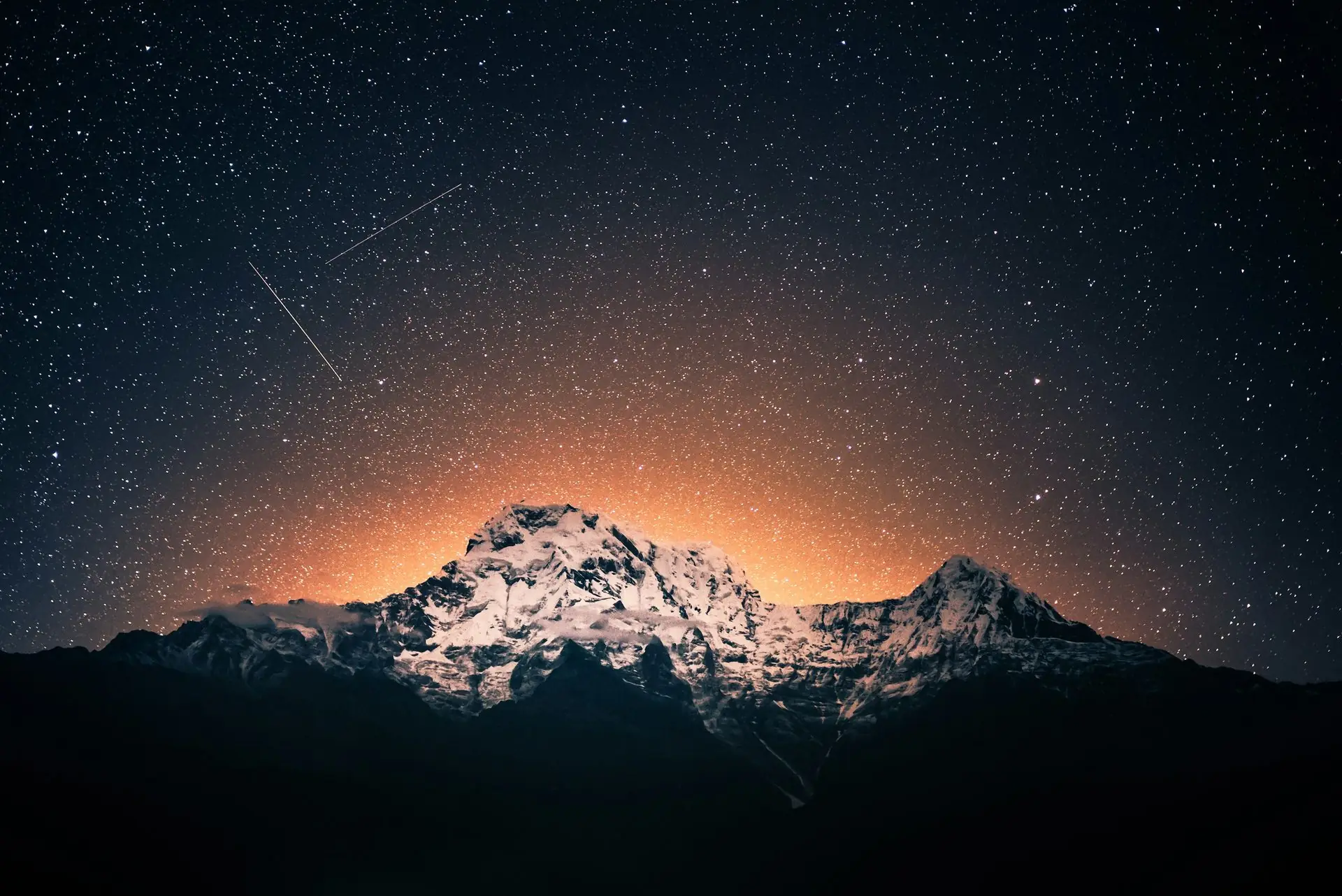
An early start for sunrise yoga at Sarangkot, Pokhara's well-known viewpoint above the valley, with the Annapurna and Machhapuchhre skyline lighting up as the session moves through breathwork and seated meditation. The rest of the morning and early afternoon are free for exploring Pokhara's lakeside, before an evening session at Pame, a quieter stretch of lakeshore away from the main tourist strip.

Day 6: Lakeside Meditation, Yoga Nidra and Free Day in Pokhara

A calmer day by design. Morning meditation by the lake is followed by a full yoga nidra session, a guided lying-down deep relaxation practice that's often the most genuinely restful part of the entire trip. The remainder of the day is unstructured, boating, cafes, spa time or simply resting by the water.

Day 7: Travel to Chitwan and Riverside Evening Meditation

The drive to Chitwan brings a genuine change of landscape, from mountain lake to lowland jungle. After checking into your lodge, an evening riverside meditation session uses the sounds of the forest and river rather than silence, a different kind of practice from anything earlier in the trip.

Day 8: Chitwan Jungle Safari and Forest Yoga

A jungle safari in the morning brings the chance to see Chitwan's wildlife and birdlife in its national park setting. Later in the day, a forest yoga session focuses on grounding and balance, mindful movement practiced among trees rather than in a studio or temple courtyard, a genuinely different sensory experience from the earlier urban and lakeside sessions.

Day 9: Return to Kathmandu

A travel day back to Kathmandu, kept intentionally unstructured. The evening is free for a quiet dinner, personal time, or a gentle stretch and breathing practice at the hotel if you'd like one.

Day 10: Bhaktapur Durbar Square and Overnight in Dhulikhel

A day exploring Bhaktapur, the best-preserved of the three Kathmandu Valley Durbar Squares, with its pottery quarter, temple courtyards and Newari architecture still very much a living part of the city rather than a museum piece. The afternoon continues to Dhulikhel, a hill town with quieter, cooler surroundings for the overnight stay.

Day 11: Morning Yoga in Dhulikhel, Patan Durbar Square and Return to Kathmandu

A final structured practice session in Dhulikhel's hill air, before heading to Patan, whose Durbar Square is widely considered the most architecturally refined of the valley's three, for guided time among its temples and courtyards. The evening returns to Kathmandu for a farewell dinner or a closing group meditation, whichever suits the group's mood.

Day 12: Final Departure

Enjoy breakfast and check out, then transfer to Tribhuvan International Airport for your onward flight.

What's covered

Inclusions & exclusions

Trip includes

  • All airport and hotel transportation by private vehicle in Kathmandu per the suggested itinerary.
  • Deluxe twin-sharing accommodation in Kathmandu with breakfast
  • Welcome and Farewell dinner in Kathmandu (Alcoholic beverages are excluded)
  • Private Transportation or Flight as per the itinerary
  • Yoga Instructor or tour leader
  • Comfortable & clean accommodation
  • All necessary paperwork, Entry fees, and permits
  • First aid exclusive medical kit bag
  • All government and local taxes

Trip excludes

  • Visa fees (You can obtain a visa easily upon your arrival at Tribhuwan International Airport in Kathmandu so (bring accurate USD cash and two passport photographs)) International airfare to and from Kathmandu
  • Any extra night accommodation in Pokhara because of early arrival, late departure, and early return from the mountain (due to any reason) than the scheduled itinerary plan
  • Travel and rescue insurance
  • Personal expenses e.g. phone calls, laundry, bar bills, bottle or boiled water, shower
  • Costs arising out of landslides, road blockade, and rescue of any form or reasons beyond our control
  • Any extending trips
  • Any others expenses which are not mentioned in Price Includes section.

Dates & Prices

Upcoming Departures

departure

status

from

No scheduled departures for this period. Contact us for a private date.

Dates don’t fit? Every trip also runs privately on the date of your choice. Book a private departure.

FAQ’s

What travelers often ask

Do I need yoga experience to join this tour?
No. Sessions are built around hatha yoga, breathwork and meditation at a pace suited to complete beginners, and experienced practitioners will still find the settings and guided sessions worthwhile.
What style of yoga is practiced on this tour?
Mainly hatha yoga, gentle postures with attention to breath, alongside pranayama breathwork, seated meditation, and at least one guided yoga nidra deep relaxation session.
Is this trip physically demanding?
No. This is one of the most accessible itineraries we run, no trekking, no altitude above the Kathmandu Valley's roughly 1,300 metres, and yoga sessions designed for a wide range of fitness and flexibility levels.
What is the best time of year for this yoga tour?
October to April gives the clearest views for the Sarangkot sunrise session specifically, though most of the itinerary's practice happens at lower elevation and is comfortable across a wider seasonal window.
Can solo travelers join this tour?
Yes. Most yoga and wellness travelers join as solo participants, and the itinerary and group pacing are designed with that in mind.

#faq

Good to know

Useful information

What to Pack

Comfortable, breathable yoga clothing that layers easily, since Kathmandu Valley mornings can be cool even when the day warms up, and Sarangkot's pre-dawn session is genuinely cold before sunrise. A yoga mat isn't essential to bring, since sessions can typically use hotel or venue mats, but frequent practitioners with a preferred mat may want to bring their own for comfort. A light scarf or shawl works well for meditation sessions at religious sites, where modest dress is expected and appreciated. Comfortable walking shoes are best for sightseeing, and a reusable water bottle is worth carrying throughout, given how much walking and gentle activity fills each day.

More Adventures

You may also like

Contact Us

Nepal flag

Dabali Marga, Thamel

Phone: 977-1-4524762

Fax: 977-1-4523296

Whatsapp: +977 9802342081

[email protected] [email protected]
United States flag

Washington DC, USA

Phone: +1 202-368-6657

Parashu Nepal

[email protected]
Australia flag

Sydney, Australia

Whatsapp: +61 426 730 548

Ashim Wagle

[email protected]
Canada flag

Regina, Canada

Phone: +1 (306) 250-1246

Shraddha Gaire

[email protected]
China flag

Beijing, China

Phone: +86 198 5746 8386

Bhaba Shrestha

[email protected]
Tripadvisor The New York Times Expedia Condé Nast Traveler Lonely Planet Forbes Travel Guide