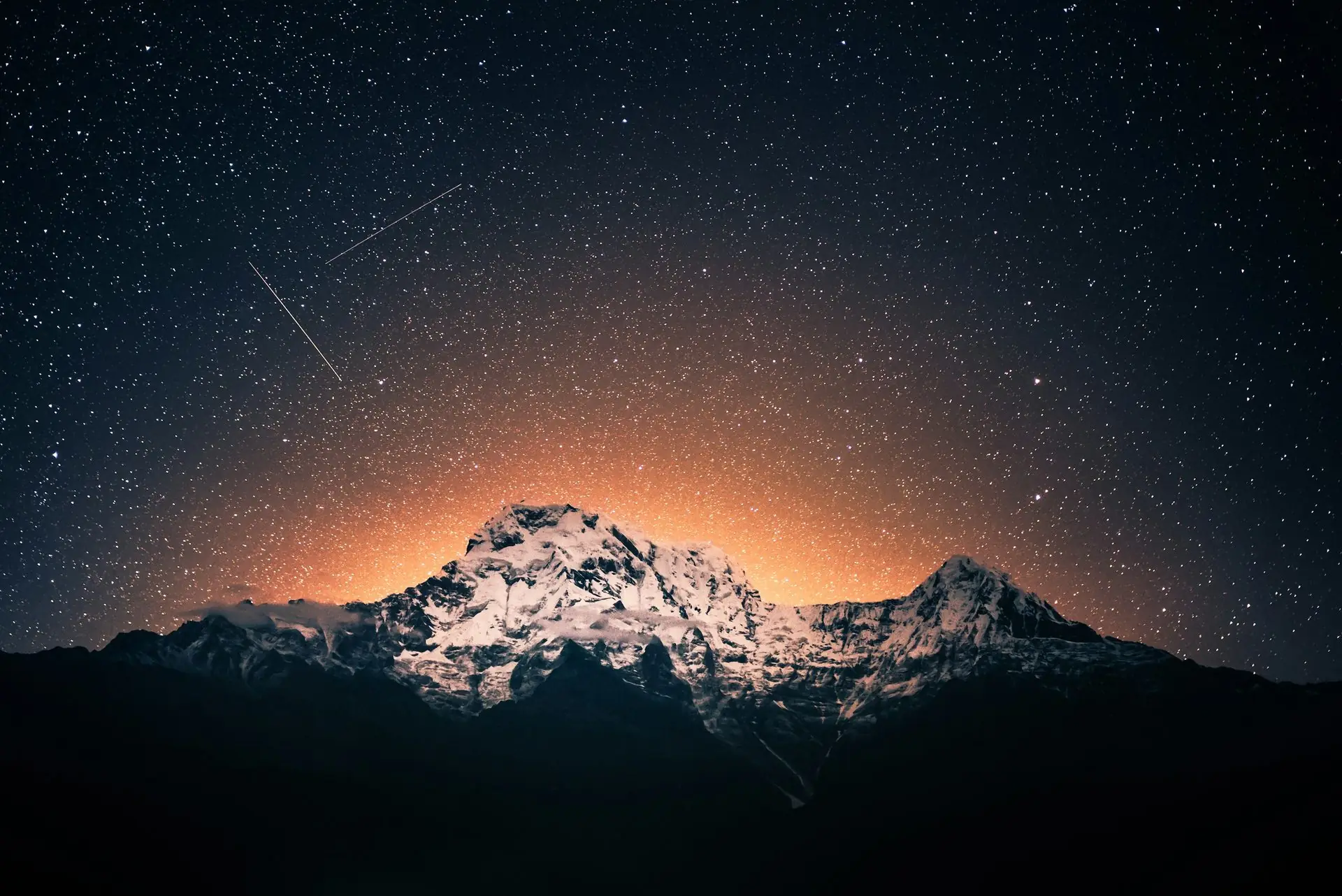
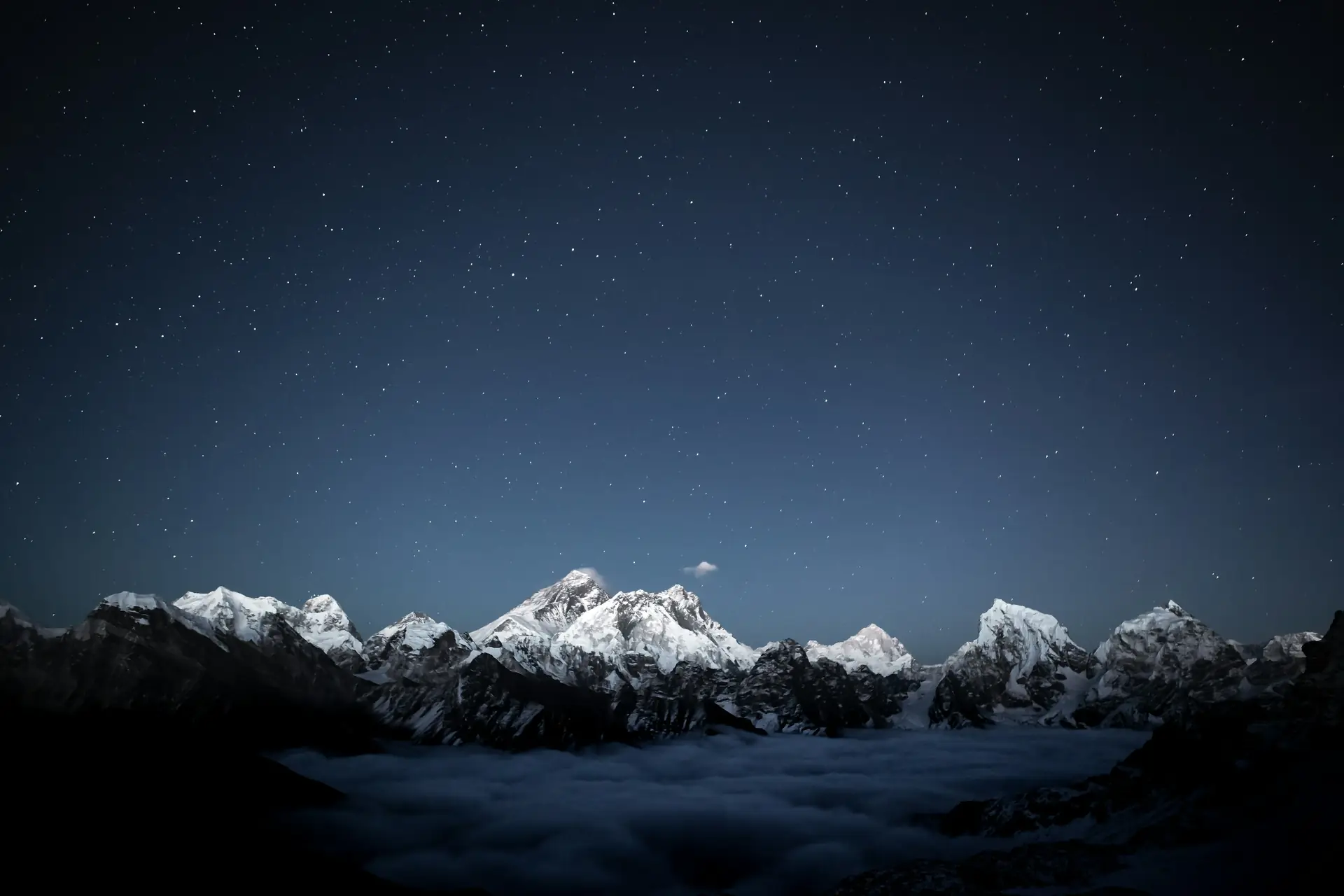
Langtang Trek - 12 Days

Langtang Trek - 12 Days

12Days
5,150mMax altitude
MediumDifficulty
$1,390per person

Overview

Langtang Trek - 12 Days

The Langtang Valley Trek is one of the most accessible Himalayan treks from Kathmandu. You can leave the city in the morning and, after a long drive through the hills, find yourself walking through forests, Tamang villages and mountain country within a couple of days.

The trail follows the Langtang Valley towards the Tibetan border, gradually moving from lower forest and river valleys into a high alpine landscape surrounded by peaks including Langtang Lirung, Gangchenpo, Yala Peak, Naya Kanga and Dorje Lakpa. Along the way, the trek also gives you time in Tamang villages where local traditions, Buddhist practices and everyday mountain life are an important part of the journey.

This 12-day Langtang Valley Trek is designed for travellers who want a genuine Himalayan trekking experience without committing to a three-week expedition. The route reaches Kyanjin Gompa at 3,870 metres, with an exploration day in the valley and the option to hike towards higher viewpoints such as Cherko Ri at 5,150 metres, depending on conditions, fitness and the group's plans.

The combination of relatively easy access from Kathmandu, varied landscapes, mountain views and local culture is what makes Langtang Valley trekking particularly appealing.

Langtang Valley Trek Route

The Langtang Valley Trek begins with a drive from Kathmandu to Syabrubesi, the main gateway to the Langtang Valley.

The first trekking days follow the Langtang Khola through forested terrain. The trail climbs steadily towards Lama Hotel and then continues through Ghora Tabela towards Langtang Village.

From Langtang Village, the landscape begins to change. The forest becomes more open and the mountains become increasingly prominent as you approach Kyanjin Gompa.

Kyanjin is the high point of the main trekking route and is where the itinerary includes a full exploration day. Depending on the group's plans and conditions, this day can be used for local exploration or a higher hike.

After the time in Kyanjin, the route retraces the valley towards Lama Hotel before taking a different return route through Thulo Syabru and Dhunche. From Dhunche, you drive back to Kathmandu.

This makes the trek more than a simple out-and-back walk, as the return section gives you a different perspective of the lower Langtang landscape.

Langtang Trek Itinerary Outline:

1st Day: Arrival in Kathmandu (1,300m/4,264 ft)
2nd Day: Sightseeing tour in Kathmandu
3rd Day: Drive from Kathmandu to Syabrubesi (1,420m/4,658ft), 8-9 hrs drive
4th Day: Trek from Syabrubesi to Lama Hotel (2340m/7,675ft), 5-6 hrs walk
5th Day: Trek from Lama Hotel to Langtang village (3,480m/11,415ft), 5-6 hrs walks
6th Day: Trek from Langtang village to Kyanjing Gompa (3,870m/12,697ft), 3-4 hrs walk
7th Day: Exploring Day at Kyanjin Gompa
8th Day: Trek from Kyanjin Gumpa to Lama Hotel (2340m/7,675ft), 6-7 hrs walk
9th Day: Trek from Lama Hotel to Thulo Syabru Village (1,900m/6,232ft), 5-6 hrs walk
10th Day: Trek from Thulo Syabru to Dhunche (1650m/5,412ft), 4-5 hrs walk
11th Day: Drive back to Kathmandu
12th Day: Departure from Kathmandu

Duration12 days
DifficultyMedium
Max altitude5,150m
Start / EndKathmandu
AccommodationHotel & Teahouse
Langtang Trek - 12 Days photo
  • Trek through Langtang National Park
  • Walk through bamboo, rhododendron and pine forests
  • Experience traditional Tamang villages and culture
  • Reach Kyanjin Gompa at 3,870 m
  • Explore the area around Kyanjin Gompa
  • Visit the local yak cheese factory
  • See Langtang Lirung, Gangchenpo and Yala Peak
  • Enjoy changing Himalayan landscapes as you gain altitude
  • Spend an acclimatisation and exploration day in the upper Langtang Valley
  • Have the option to explore higher viewpoints around Kyanjin
  • Trek through the historic Langtang Valley communities
  • Travel overland from Kathmandu to Syabrubesi rather than taking a mountain flight
Langtang Trek - 12 Days photo Langtang Trek - 12 Days photo Langtang Trek - 12 Days photo Langtang Trek - 12 Days photo

Best Season for this trip

March-May and Sept-Dec

Spring: Mar-May Monsoon: Jun-Aug Autumn: Sep-Nov Winter: Dec-Feb

Day by day

Unfold your journey

Langtang Ultimate Trek Map

Kathmandu → Kathmandu

Langtang Trek - 12 Days route map
day
1

Arrival day in Kathmandu (1,300m/4,264 ft)

20 Minutes Hotel Kathmandu Welcome Dinner
Your Langtang Trek begins with your arrival in Kathmandu, Nepal's historic capital at approximately 1,300 metres above sea level. After you arrive at Tribhuvan International Airport, a Nepal Vision representative will meet you and arrange your transfer to your hotel. Rather than beginning the trekking programme immediately, we allow the first day to be relaxed so you have time to recover from your journey, settle into the hotel and become familiar with Kathmandu. Depending on your arrival time, you may have an opportunity to take a short walk around the neighbourhood or simply rest at the hotel. For private trips, the pace of the arrival day can be adjusted around your flight schedule rather than following a rigid group timetable. You will also have time to meet your trekking team and discuss the journey ahead, including the route, expected trail conditions, packing requirements and any last-minute preparations. Nepal Vision uses carefully selected 4-star or 5-star hotels in Kathmandu, subject to availability, because we believe the experience should begin with a comfortable base before you head into the mountains. Our approach to trekking is not built around reducing the trip to its cheapest possible price. We invest in experienced local staff, appropriate accommodation and responsible operations so that the people delivering your trek and the communities through which you travel are treated fairly.
day
2

Kathmandu valley sightseeing & trek preparation (1,300m/4,264 ft)

Hotel Kathmandu Breakfast
Before leaving Kathmandu for the Langtang region, today is dedicated to exploring some of the city's important cultural and historical sites. Kathmandu is much more than the starting point of a Himalayan trek, and spending time here provides useful context for understanding the religious and cultural traditions you will encounter later in the mountains. Depending on your interests and the day's schedule, the sightseeing programme can include important UNESCO World Heritage Sites and historic religious landmarks in and around Kathmandu. Hindu and Buddhist traditions have shaped the valley for centuries, and elements of these traditions continue well beyond the capital, particularly in the Himalayan communities along trekking routes. Because this is a private and bespoke itinerary, the sightseeing experience does not have to feel like a fixed checklist. Your interests, available time and pace can be taken into account when arranging the day. Some travellers want to concentrate on architecture and heritage, while others prefer to spend more time understanding local life, visiting markets or simply experiencing Kathmandu at a slower pace. The day also provides an opportunity to make final preparations for the Langtang Trek. Your trekking team can go through the practical details of the journey, check that you have the appropriate equipment and answer any questions before you leave the Kathmandu Valley.
day
3

Drive from Kathmandu to Syabrubesi (1,420m/4,658ft), 8-9 hrs drive

8-9 Hrs Tea House Syabrubesi 3 Meals
Today you leave Kathmandu and travel north towards Syabrubesi, the gateway to the Langtang Valley. The drive takes approximately 8 to 9 hours and covers a dramatic change in landscape, from the densely settled Kathmandu Valley to the hills and river valleys of northern Nepal. The road follows the Trishuli corridor for much of the journey, passing through market towns, agricultural settlements, terraced hillsides and increasingly rugged mountain terrain. Syabrubesi sits at approximately 1,420 metres and is the starting point for the walking section of your Langtang Trek. The journey itself is part of the Himalayan experience, but it is worth allowing realistic expectations about the road. Mountain roads in Nepal do not always behave like roads in urban environments, and travel times can be affected by traffic, road maintenance, weather and local conditions. Rather than promising an exact arrival time, an experienced trekking operator plans with this variability in mind. Once you reach Syabrubesi, you will settle into your lodge and prepare for the first trekking day. There is no reason to overfill the evening. A good night's rest, an organised daypack and a relaxed start are more valuable before the first sustained walk of the trek. At Nepal Vision, we work with local trekking professionals who understand the Langtang region and the realities of operating in the mountains. Our guides have a minimum of 15 years of experience, and we place particular importance on using guides and porters from the regions where we operate. This is part of our wider approach to responsible tourism: the people who make the trek possible should share properly in the value generated by tourism.
day
4

Trek from Syabrubesi to Lama Hotel (2340m/7,675ft), 5-6 hrs walk

5-6 Hrs Tea House Lama Hotel 3 Meals
Your first full day of trekking begins in Syabrubesi as you follow the Langtang Khola deeper into the valley. The trail gradually leaves the larger settlement behind and enters a landscape of forests, rivers, suspension bridges and small mountain communities. The walk takes approximately 5 to 6 hours and brings you to Lama Hotel at around 2,340 metres. The character of the trail changes several times during the day. You begin at a relatively low elevation where the vegetation is comparatively lush, then climb gradually through forested sections as the valley narrows. The Langtang Khola remains an important companion along the route, and you will cross sections of the river using suspension bridges while gaining elevation. This is not a day to judge the trek by distance alone. The repeated uphill sections can feel demanding, particularly if you are not accustomed to walking on uneven Himalayan trails. A steady pace is more sustainable than trying to move quickly in the morning and exhausting yourself later in the day. Our guides adjust the pace of private treks according to the people actually walking, rather than forcing everyone to follow an arbitrary group pace. Lama Hotel is surrounded by forest, giving the first night on the trail a distinctly different atmosphere from Syabrubesi. Accommodation is generally in a local teahouse or lodge, where the emphasis is on a warm meal, a comfortable bed and recovery for the following day's walk.
day
5

Trek from Lama Hotel to Langtang village (3,480m/11,415ft), 5-6 hrs walks

5-6 Hrs Tea House Langtang village 3 Meals
After breakfast, the trail continues uphill from Lama Hotel towards Langtang Village. The approximately 5 to 6-hour walk takes you progressively higher into the valley, with the dense forest gradually opening as the elevation increases. One of the notable stopping points along the route is Ghoda Tabela, where trekkers commonly take a break before continuing towards the higher settlements. The landscape becomes increasingly recognisable as high Himalayan terrain as you move beyond the forested lower valley. Mountain slopes become more prominent, vegetation becomes less dense and the valley begins to open up. The change is gradual rather than sudden, which makes this section particularly rewarding for people who enjoy seeing the Himalayan environment evolve with altitude. You finish the day at Langtang Village, approximately 3,480 metres above sea level. This represents a substantial increase in elevation from Lama Hotel, so today's walking should be approached with patience. At this stage, maintaining a comfortable rhythm, taking appropriate breaks and paying attention to how your body is responding to the altitude are more important than finishing early. Langtang Village also introduces you more clearly to the cultural identity of the region. Tibetan Buddhist influences can be seen in the village's architecture, prayer flags, mani walls and religious traditions. The communities of the Langtang region have developed a close relationship with the surrounding mountains, and travelling through these villages with a knowledgeable local guide adds context that is easy to miss when simply walking from one overnight stop to another.
day
6

Trek from Langtang village to Kyanjing Gompa (3,870m/12,697ft), 3-4 hrs walk

3-4 Hrs Tea House Kyanjing Gompa 3 Meals
Today is a shorter but particularly memorable trekking day as you continue from Langtang Village towards Kyanjin Gompa at approximately 3,870 metres. The walk takes around 3 to 4 hours, allowing you to gain altitude at a manageable pace while enjoying the increasingly open mountain landscape. As you leave Langtang Village, the trail continues through smaller settlements before opening into the upper valley. The forest becomes increasingly sparse and the surrounding mountains become much more dominant. The landscape around Kyanjin is distinctly alpine, with broad open slopes, rocky terrain and high Himalayan peaks surrounding the valley. The shorter walking time is intentional. Reaching Kyanjin Gompa is not simply about getting to the highest sleeping point as quickly as possible. At nearly 3,900 metres, allowing sufficient time for the body to adjust is an important part of a well-planned itinerary. Once you arrive, you can have lunch, settle into your lodge and explore the immediate surroundings without needing to rush. Kyanjin Gompa is one of the defining destinations of the Langtang Valley Trek and serves as the base for the following day's exploration. The surrounding landscape provides some of the finest mountain views on the route, and the settlement itself reflects the Buddhist cultural heritage of the valley.
day
7

Rest day at Kyanjin Gompa

Tea House Kyanjing Gompa 3 Meals
Today is reserved for exploring the area around Kyanjin Gompa and allowing your body to acclimatise to the higher elevation. Rather than treating the day simply as a rest day, the itinerary provides an opportunity for a gradual hike around the upper valley, with the exact route depending on weather, trail conditions, your fitness and how you are responding to the altitude. The area surrounding Kyanjin offers expansive views of the Himalayan mountains and the upper Langtang Valley. On clear days, the contrast between the rugged slopes, snow-covered peaks and open alpine landscape makes this one of the most impressive sections of the trek. You can also explore Kyanjin Gompa and experience the quieter rhythm of life in one of the highest settlements on the route. Our approach to this day is deliberately flexible. A private trek should not require every traveller to follow exactly the same pace or attempt the same excursion regardless of circumstances. If conditions are excellent and you are feeling strong, your guide can take you further into the surrounding area. If the altitude or weather suggests a more conservative day, the itinerary can be kept shorter. Experienced mountain guides make these decisions by considering the person, conditions and route together rather than treating an itinerary as something that cannot be adapted. After exploring the area, you return to Kyanjin Gompa for another night. Spending a second night here means you can experience the high valley without immediately descending after reaching it, while also giving your body additional time to adjust before beginning the return journey.
day
8

Trek from Kyanjin Gumpa to Lama Hotel (2340m/7,675ft), 6-7 hrs walk

6-7 Hrs Tea House Lama Hotel 3 Meals
After breakfast, you begin the descent from Kyanjin Gompa back towards Lama Hotel. Much of the route follows the same trail used during the ascent, but the changing perspective makes the landscape feel different. The broad alpine surroundings of Kyanjin gradually give way to the more enclosed valley, and the vegetation becomes increasingly dense as you lose altitude. The walk takes approximately 6 to 7 hours. Although descending generally requires less cardiovascular effort than climbing, it should not be mistaken for an effortless day. Long downhill sections can place considerable strain on the knees and ankles, particularly after several consecutive days of trekking. Maintaining controlled steps and using trekking poles where appropriate can make the descent more comfortable. You pass again through Langtang Village and Ghoda Tabela before continuing towards Lama Hotel. Returning to a lower elevation is often noticeable after spending time above 3,500 metres, and the forest becomes increasingly prominent as you descend. For private trips, the advantage is that your guide can respond to the pace of the individual trekker. If you need additional breaks, the day does not have to become a race against an arbitrary group schedule. The objective is to reach Lama Hotel safely and comfortably while allowing you to enjoy the return journey.
day
9

Trek from Lama Hotel to Thulo Syabru Village (1,900m/6,232ft), 5-6 hrs walk

5-6 Hrs Tea House Thulo Syabru Village 3 Meals
Today's route takes you from Lama Hotel towards Thulo Syabru Village, at approximately 1,900 metres. The 5 to 6-hour walk takes you through a different part of the Langtang landscape and provides another opportunity to experience the region's villages and local culture. As you descend further, the forest becomes greener and the atmosphere changes noticeably from the high-altitude environment around Kyanjin Gompa. The trail passes through wooded hills and settlements, with sections of the route following the contours of the landscape rather than simply descending in a straight line. Thulo Syabru is particularly interesting from a cultural perspective. The village is associated with the Tamang communities of the region, whose traditions, architecture and way of life form an important part of northern Nepal's cultural landscape. A trek through Langtang is therefore not only a journey through different elevations but also through different communities and cultural environments. The day's walking is moderate, although there are still uphill and downhill sections despite the overall reduction in altitude. After several days on the trail, fatigue can become more significant than the raw distance suggests, so maintaining a consistent pace remains important.
day
10

Trek from Thulo Syabru to Dhunche (1650m/5,412ft), 4-5 hrs walk

4-5 Hrs Tea House Dhunche 3 Meals
The final trekking day takes you from Thulo Syabru to Dhunche, with approximately 4 to 5 hours of walking. The trail continues through the lower Himalayan landscape, gradually bringing you back towards the road network and larger settlements of the region. Compared with the high-altitude sections around Kyanjin Gompa, today's environment feels considerably more accessible. Vegetation is more abundant, the climate is generally warmer and the landscape increasingly resembles the lower mountain environment you experienced at the beginning of the trek. Dhunche, at approximately 1,650 metres, is an important settlement in the region and acts as a connection between the Langtang trekking area and the road network leading back towards Kathmandu. Reaching Dhunche marks the completion of the main trekking section of this itinerary. Although the final walking day is shorter, there is value in not rushing it. After a number of days in the mountains, the final descent provides an opportunity to appreciate the transition from the high Himalayan environment back into everyday mountain life. Your guide can also use this time to help with any final arrangements before the following day's drive.
day
11

Drive back to Kathmandu

5-6 Hrs Hotel Kathmandu 3 Meals
After breakfast, you leave Dhunche and begin the drive back to Kathmandu. The journey takes you through the hills and valleys of central Nepal before reconnecting with the road towards the capital. The return drive generally takes several hours, and, as with the journey into the region, actual travel time depends on road conditions, traffic and weather. For trekkers, this drive provides a clear sense of how far the landscape has changed during the journey. Within a single trip, you have moved from the urban environment of Kathmandu through rural hill settlements and dense forests to the high alpine landscape around Kyanjin Gompa, before retracing the route towards the capital. Once you arrive in Kathmandu, you can check back into your hotel and enjoy a more comfortable evening after completing the trekking portion of the journey. Depending on your arrival time, the evening can be kept free for rest, a relaxed dinner or some final time in the city. Nepal Vision's approach is to make the return to Kathmandu as comfortable as the rest of the journey. Your accommodation in the capital is arranged in a quality 4-star or 5-star hotel, subject to availability, giving you a proper opportunity to recover after the trek rather than simply treating Kathmandu as a place to sleep between transport connections.
day
12

Departure from Kathmandu

20 Minutes Breakfast
Your Langtang Trek comes to an end today. Depending on your flight schedule, you may have some free time in Kathmandu before your airport transfer. Our team will arrange the transfer to Tribhuvan International Airport according to your departure time, allowing you to leave Nepal without having to manage the final logistics yourself. The Langtang Trek is relatively compact compared with longer Himalayan expeditions, but the 12-day journey combines considerably more than the trekking itself. You experience Kathmandu's cultural heritage, travel through the rural hills of northern Nepal, walk through forests and traditional villages, spend time in the high alpine environment around Kyanjin Gompa and return with an understanding of the communities that make the region their home. At Nepal Vision, we have been arranging travel and trekking experiences in Nepal for 34 years. Our philosophy is centred on creating private and personalised journeys rather than competing solely on the lowest advertised price. Our trips can cost more than some budget trekking operators, because we choose not to reduce the experience by cutting corners on accommodation, experienced local staff, fair compensation or responsible operating practices. We believe the value of a trek is not simply measured by how cheaply someone can reach the mountains, but by the quality of the experience, the people delivering it and the way tourism contributes to the communities and environment through which you travel.

Langtang Ultimate Trek Altitude Chart

Metres above sea level

Langtang Trek - 12 Days altitude chart

What's covered

Inclusions & exclusions

Trip includes

  • All airport and hotel transportation by private vehicle in Kathmandu per the suggested itinerary.
  • Deluxe twin-sharing accommodation in Kathmandu with breakfast
  • Farewell dinner in Kathmandu (Alcoholic beverages are excluded)
  • Kathmandu to Syabrubesi to Kathmandu by private vehicle
  • Full board meal (breakfast, lunch, dinner, tea & coffee) during the trek
  • Seasonal fruits during the trek are provided
  • Comfortable & clean accommodation on teahouse/lodge/tent during the trek
  • Government Registered Trek guide (English speaking, First Aid and eco trained), Sherpa porter (one porter for two trekkers)
  • All necessary paper works, Entry fees, and permits & TIMS card
  • Four seasonal sleeping bags, Nepal Vision Treks duffel bag, and trekking map (sleeping bag to be returned after trip completion)
  • First aid exclusive medical kit bag
  • All government and local taxes

Trip excludes

  • Visa fees (You can obtain a visa easily upon your arrival at Tribhuwan International Airport in Kathmandu so (bring accurate USD cash and two passport photographs)) International airfare to and from Kathmandu
  • Lunch and dinner except for welcome & fare well dinner (and also in the case of early return from the mountain than the scheduled plan)
  • Any extra night accommodation in Kathmandu because of early arrival, late departure, and early return from the mountain (due to any reason) than the scheduled itinerary plan
  • Travel and rescue insurance

Dates & Prices

Upcoming Departures

departure

status

from

2-13 November 2026

Guaranteed

5/5 seats remaining

$1,390

join us

8-19 November 2026

Guaranteed

5/5 seats remaining

$1,390

join us

16-27 November 2026

Guaranteed

5/5 seats remaining

$1,390

join us

22 Nov - 3 Dec 2026

Guaranteed

5/5 seats remaining

$1,390

join us

Dates don’t fit? Every trip also runs privately on the date of your choice. Book a private departure.

FAQ’s

What travelers often ask

What are the age restrictions for the Langtang Trek?
There are no strict age limits, but participants should be physically fit. Children and older adults can join with proper preparation and caution. Consult a physician if you have health concerns or conditions.
When is the best time for Langtang Trekking?
The best seasons for trekking are:

  • Spring (March-May): Clear skies, blooming rhododendrons, and pleasant temperatures.
  • Autumn (September-November): Stable weather, clear mountain views, and mild temperatures.
How high does the Langtang Trek go?
The trek’s highest point is Kyanjin Ri at 4,773 m. But there is an optional side trip like Tserko Ri, which can take you to 4984m.
Is the Langtang Trek suitable for families or beginners?
Yes, the Langtang Trek is moderate and suitable for beginners and families with average fitness levels. Proper preparation and pacing are key for a comfortable experience.
What kind of accommodation is available on the trek?
Accommodation consists of teahouses with basic amenities, including a bed, blankets, and simple meals. Some teahouses provide charging points and hot showers for an additional fee.
What food is available during the Langtang Trek?
You’ll find a variety of local dishes like dal bhat (lentils, rice, and vegetables), noodles, potatoes, and seasonal vegetables. Some teahouses also serve pancakes, omelets, and Western-style meals.
How safe is the Langtang Trek?
The trek is generally safe. However, trekkers should:

  • Be cautious of altitude sickness.
  • Monitor weather changes, especially during monsoon and winter.
  • Follow your guides advice and stick to marked trails.
What documents do I need for the trek?
You’ll need TIMS Card (Trekkers' Information Management System), Langtang National Park Entry Permit, Passport, Travel insurance for trekking.
Are there any side trips or extensions?
Popular side trips and extensions include:

  • Gosainkunda Lakes: Sacred alpine lakes.
  • Tamang Heritage Trail: Cultural exploration in traditional villages.
  • Kyanjin Ri/Tserko Ri: For panoramic views of the Langtang range.
What wildlife might I see?
The Langtang region is home to diverse wildlife, including Red pandas, and Himalayan tahr.
Is there mobile coverage?
Mobile networks are available in many areas but can be inconsistent in remote locations. Consider carrying a satellite phone or staying in touch at teahouses.
Can I charge devices during the trek?
Charging points are available at teahouses for a small fee of 2-5$. Carry a power bank as a backup for remote sections.
How difficult is the Langtang Trek?
The trek is moderate. It includes uphill climbs and uneven terrain but doesn’t require technical climbing skills. Regular exercise and preparation make it manageable.
How fast do trekkers walk on the trail?
On average, trekkers walk 4-5 km per hour, adjusting speed based on terrain, elevation, and physical condition.
Do I need a guide and porter for the Langtang Trek?
Since 2023 government of Nepal has banned trekking independently so hiring a guide and porter is must. A guide ensures safety, provides navigation assistance, and shares insights about local culture and nature. Porters can carry heavy loads to make the trek more comfortable.

Good to know

Useful information

Langtang Valley Trek Difficulty

The Langtang Valley Trek is generally considered a medium-difficulty Himalayan trek. You do not need technical mountaineering experience for the main trail, but you do need to be comfortable walking for several hours a day on uneven mountain terrain.

The biggest challenge is not technical climbing. It is the combination of daily walking, elevation gain, and altitude.

The route climbs from around 1,420 m at Syabrubesi to 3,870 m at Kyanjin Gompa. If you choose to hike towards Cherko Ri during the exploration day, you go considerably higher.

The trail includes forest paths, stone steps, steep sections, river crossings, and long descents. Some days feel relatively easy, while others require more sustained effort.

A reasonable level of fitness will make the trek considerably more enjoyable.

Is Langtang Valley Trek Suitable for Beginners?

Yes, the Langtang Valley Trek can be suitable for first-time trekkers who have a reasonable level of fitness and are prepared for several consecutive days of walking.

You do not need previous high-altitude trekking experience, but you should not underestimate the altitude simply because Langtang is close to Kathmandu.

The best preparation is straightforward. Build up your walking endurance before arriving in Nepal, include hills or stairs in your training where possible, and become comfortable walking for several hours with a daypack.

The pace on the trail should be steady rather than fast. There is little benefit in trying to reach each destination as quickly as possible.

Best Time for Langtang Valley Trek

The main trekking seasons for Langtang Valley are spring and autumn.

Spring: March to May

Spring brings warmer temperatures, longer days, and generally good trekking conditions. The forests also become particularly attractive as rhododendrons begin to flower.

Visibility is often good, although conditions can become less predictable towards the end of May as the monsoon approaches.

Autumn: September to November

Autumn is traditionally one of the busiest periods for trekking in Nepal.

After the monsoon, the atmosphere is generally clearer, and mountain views can be excellent. Daytime conditions are usually comfortable for walking, while temperatures become colder as you gain altitude.

Because autumn is popular, accommodation and transport can be busier during the peak weeks.

Winter: December to February

Langtang Valley can still be trekked in winter, but temperatures at higher elevations can be very cold and snow can affect the upper sections of the route.

If you plan to trek during winter, you need appropriate cold-weather equipment and should be prepared for changing trail conditions.

Monsoon: June to August

The monsoon brings rain to the Langtang region. Trails can become wet and slippery, while clouds can reduce mountain visibility.

Road conditions on the journey to Syabrubesi can also become more difficult during periods of heavy rain.

For most travellers, spring and autumn offer the most straightforward conditions for Langtang Valley trekking.

Accommodation on the Langtang Valley Trek

Accommodation during the trek is primarily in locally run tea houses and lodges.

The standard is basic compared with hotels in Kathmandu, and facilities become simpler as you move higher into the valley. Rooms are generally twin-sharing, while bathrooms may be shared depending on the lodge.

Heating is not normally available inside trekking rooms, so a good sleeping bag is important, particularly during colder months.

Hot showers may be available at some tea houses for an additional charge. Wi-Fi is also available in parts of the route, although connectivity can be unreliable and should not be treated as guaranteed.

The advantage of staying in tea houses is that you are also staying within the communities along the trail. Meals, accommodation and local services directly support the people living in the Langtang region.

Food on the Langtang Trek

Tea houses along the Langtang route serve a mixture of Nepali, Tibetan-influenced and simple Western dishes.

Dal bhat is the most dependable meal on the trail and remains a practical choice for trekkers because it provides carbohydrates, lentils and vegetables in one meal.

You can also find dishes such as:

  • Thukpa
  • Thenduk
  • Momo
  • Tibetan bread
  • Fried rice
  • Potatoes
  • Noodles
  • Eggs
  • Seasonal vegetables

Food choices become more limited at higher elevations, so it is worth keeping expectations realistic.

Vegetarian options are generally available, and trekkers with specific dietary requirements should discuss them with the trekking company before departure.

Phone Network and Wi-Fi on the Langtang Trek

Mobile coverage is available in parts of the Langtang region, although reception varies according to location and weather.

Nepal Telecom is generally considered a useful option for connectivity in the Langtang area. You can purchase a local SIM card in Kathmandu.

Some tea houses offer Wi-Fi for an additional fee, but connections can be slow or unreliable. If you need dependable communication for work or other important matters, it is better not to rely entirely on trekking-route Wi-Fi.

Porter and Guide for Langtang Valley Trekking

A porter can make the Langtang Valley Trek considerably more comfortable, particularly because you will be walking for several days and gaining significant altitude.

Instead of carrying your full luggage throughout the trek, you can carry a smaller daypack containing water, layers, personal items and anything you need during the day.

A licensed local guide also adds more than route-finding. A good guide can explain the local culture, help with accommodation and meals, monitor the group's condition at altitude, and deal with practical issues that can arise on the trail.

For travellers unfamiliar with trekking in Nepal, local support is particularly useful on a multi-day Himalayan route.

Permits for Langtang Valley Trek

The Langtang Valley Trek passes through Langtang National Park, so the required permits need to be arranged before entering the trekking area.

Trekkers should also have the appropriate trekking registration or TIMS documentation where required under the current regulations.

Permit requirements and fees can change, so the latest requirements should be confirmed before departure. Nepal Vision Treks can arrange the necessary permits as part of the trekking package.

Kathmandu to Syabrubesi: What to Expect

Syabrubesi is the main road gateway to the Langtang Valley.

The distance from Kathmandu is not especially large by road, but the journey takes considerably longer than the distance might suggest. Mountain roads are winding, and road conditions can change with weather, maintenance, and traffic.

Travel by Bus

Buses are available from Kathmandu to Syabrubesi. The journey generally takes several hours and can be less comfortable because of the road conditions and the number of passengers.

Travel by Jeep

Shared and private jeeps provide another option for reaching Syabrubesi. They can be more comfortable and flexible than public buses, although they cost more.

Road Conditions and Travel Time

The journey to Syabrubesi involves winding mountain roads and rough sections. Travel time can vary considerably depending on traffic, road conditions, and weather.

The drive is part of the Langtang experience. You gradually leave the Kathmandu Valley behind and travel through terraced hillsides, villages and increasingly mountainous terrain before reaching Syabrubesi.

It is worth allowing flexibility in your schedule rather than assuming the drive will take the same amount of time every day.

Altitude and Acclimatisation on the Langtang Trek

Altitude is one of the main considerations on the Langtang Valley Trek.

The itinerary gradually climbs from Syabrubesi to Langtang Village and then Kyanjin Gompa, with an exploration day at Kyanjin before descending.

Common symptoms of altitude sickness can include headache, nausea, dizziness, unusual tiredness and shortness of breath.

The best approach is to take altitude seriously.

Walk at a comfortable pace, stay hydrated, eat properly and tell your guide immediately if you feel unwell. Do not try to push through worsening symptoms simply because the day's destination is close.

Severe altitude-related symptoms require immediate attention and descent may be necessary.

Medication such as acetazolamide (Diamox) should only be used after discussing it with an appropriately qualified medical professional.

Travel Insurance for Langtang Valley Trek

Travel insurance is strongly recommended for the Langtang Valley Trek.

Your policy should specifically cover trekking at the altitude you intend to reach and should include appropriate medical treatment and emergency evacuation.

Before buying a policy, check:

  • Whether trekking at high altitude is covered
  • The maximum altitude covered by the policy
  • Emergency medical treatment
  • Helicopter evacuation where applicable
  • Trip cancellation or interruption
  • Treatment for injuries or illness
  • Whether pre-existing conditions have any restrictions

Keep a digital and printed copy of your insurance details and emergency contact information.

What to Pack for Langtang Valley Trek

You do not need to bring every piece of trekking equipment you own. The aim is to carry enough to deal with changing temperatures and mountain conditions without making your pack unnecessarily heavy.

Essential items generally include:

  • Comfortable trekking boots
  • Warm layers
  • Waterproof jacket and trousers
  • Thermal base layers
  • Trekking trousers
  • Warm hat and gloves
  • Sunglasses
  • Sunscreen
  • Reusable water bottle
  • Sleeping bag suitable for the season
  • Headlamp
  • Personal first-aid and medication
  • Basic toiletries
  • Power bank
  • Trekking poles if you prefer to use them

The exact packing list should depend on the season and whether you are using a porter.

Tips for First-Time Langtang Valley Trekkers

Train Before You Arrive

You do not need to become an athlete before trekking in Langtang, but regular walking and cardiovascular training will help.

Long walks, stairs, hill walking and basic strength work are useful preparation.

Do Not Rush the Trail

A steady pace is more useful than trying to walk quickly.

The higher you go, the more important it becomes to give your body time to adjust.

Keep Your Pack Manageable

If you are using a porter, keep your daypack to the things you actually need during the day's walk.

There is little point carrying unnecessary weight for six hours.

Drink Regularly

Hydration becomes increasingly important as you gain altitude. Carry enough water for the day's walking and use appropriate treatment methods if you are filling your bottle from local water sources.

Respect Local Culture

The Langtang Valley is home to communities with their own traditions and religious practices.

Ask before photographing people, monasteries or private property, dress appropriately around religious sites and be respectful when entering villages.

Expect Basic Facilities

The higher you go, the simpler the facilities become.

This is part of trekking in the Himalayas. Hot showers, reliable Wi-Fi, charging and other comforts available in Kathmandu cannot always be expected at 3,500 to 4,000 metres.

Responsible Trekking in Langtang Valley

Langtang is a mountain environment as well as a home for local communities.

Trekkers can reduce their impact by using refillable bottles, avoiding unnecessary plastic, disposing of waste properly and supporting locally owned tea houses and shops.

Hiring local guides and porters also helps keep more of the trekking economy within the communities along the route.

Cultural respect matters just as much as environmental responsibility. Ask before taking photographs of people, respect religious sites and follow local customs when visiting villages and monasteries.

Small choices make a difference when thousands of trekkers travel through the same valley each year.

Langtang Valley Trek Extensions and Alternatives

The Langtang Valley Trek can also be combined with other routes in the region if you have additional time.

Langtang Gosaikunda Trek

The Langtang Gosaikunda Trek combines the Langtang Valley with the sacred Gosaikunda lakes. It is a longer and more varied option for trekkers who want to add a high-altitude pilgrimage landscape to their Langtang experience.

Tamang Heritage Trek

The Tamang Heritage Trek focuses more strongly on village life and Tamang culture. It is worth considering if cultural experiences are one of your main reasons for visiting the Langtang region.

Langtang-Helambu Trek

The Langtang and Helambu routes can also be combined to create a longer trekking journey through the northern areas of the Kathmandu region.

More Adventures

You may also like

Contact Us

Nepal flag

Dabali Marga, Thamel

Phone: 977-1-4524762

Fax: 977-1-4523296

Whatsapp: +977 9802342081

[email protected] [email protected]
United States flag

Washington DC, USA

Phone: +1 202-368-6657

Parashu Nepal

[email protected]
Australia flag

Sydney, Australia

Whatsapp: +61 426 730 548

Ashim Wagle

[email protected]
Canada flag

Regina, Canada

Phone: +1 (306) 250-1246

Shraddha Gaire

[email protected]
China flag

Beijing, China

Phone: +86 198 5746 8386

Bhaba Shrestha

[email protected]
Tripadvisor The New York Times Expedia Condé Nast Traveler Lonely Planet Forbes Travel Guide