Detailed Itinerary:
Day 1: Arrival in Kathmandu (1,400m)
Our team meets you at Tribhuvan International Airport and transfers you privately to your hotel. Depending on your arrival time, we'll run through the trip briefing and gear check that evening or first thing the next morning, covering what to expect from the road and trekking sections ahead and confirming everyone has the technical gear the climb requires.
Day 2: Trip Preparation and Sightseeing in Kathmandu
A full day before departure, used to finalise permit paperwork, hire or double-check any last piece of gear, and see Kathmandu properly. Most groups spend the day visiting Swayambhunath, the hilltop stupa overlooking the city, Boudhanath, one of the largest stupas in the world and a centre of Tibetan Buddhist life in Nepal, and Pashupatinath, the sacred Hindu temple complex on the Bagmati river. It's also a good day to ask any last questions about the route or the summit push while there's still time to adjust plans.
Day 3: Drive from Kathmandu to Pokhara (800m), 6 to 7 Hours
The drive follows the Trishuli and Marshyangdi river valleys west out of the Kathmandu basin, with the road tracing river gorges most of the way. On clear days, the Annapurna and Manaslu ranges appear on the horizon well before you reach Pokhara. The lakeside city itself, sitting beside Phewa Lake with the Annapurna range as a backdrop, is worth the evening it gets, since it's your last stretch of genuine city comfort before the trek begins.
Day 4: Drive from Pokhara to Tatopani (1,200m), 6 to 7 Hours
The road turns north here, following the Kali Gandaki river upstream into the gorge that separates the Annapurna and Dhaulagiri ranges, already visibly one of the deepest river valleys in the world at this point. Tatopani takes its name from the natural hot springs on the riverbank, a genuinely welcome stop to soak tired legs before the trekking days begin in earnest.
Day 5: Trek from Tatopani to Ghasa (2,010m), 5 to 6 Hours
Your first trekking day follows the Kali Gandaki upstream through subtropical forest, still warm and humid at this elevation but noticeably thinning as the trail climbs. Ghasa marks a real transition point on the route, the boundary between the lower, warmer stretch of the valley and the higher, drier terrain that characterises the rest of the trek toward Mustang.
Day 6: Trek from Ghasa to Larjung (2,550m), 5 to 6 Hours
The valley opens out considerably on this stretch, and the vegetation shifts to sparse pine forest and wind-scoured rock. This is where the classic upper Kali Gandaki landscape really begins, and you'll get your first proper views up toward Dhaulagiri's eastern flank on a clear day.
Day 7: Trek from Larjung to Marpha (2,670m), 2 to 3 Hours
A deliberately short day. Marpha is one of the most attractive villages on the entire route, built from whitewashed stone with narrow cobbled lanes, and it's the centre of Thakali culture and cuisine in the region, as well as being known across Nepal for its apple orchards and locally distilled apple brandy. It's also your last village with proper teahouse comfort before the climb, so most groups use the extra time here to relax, eat well, and do a final gear check.
Day 8: Trek from Marpha to Yak Kharka (3,900m), 5 to 6 Hours
The trail leaves the main Kali Gandaki valley here and climbs into higher pasture land used seasonally for yak grazing, which gives the settlement its name. This is also the point where teahouse lodging ends and tented camping begins for the rest of the climb, so it's worth mentally resetting expectations around comfort from here onward.
Day 9: Trek from Yak Kharka to Dhampus High Camp (5,100m), 5 to 6 Hours
A substantial altitude gain in a single day, over 1,200 metres, so pacing and hydration matter more here than anywhere else on the approach. The terrain shifts progressively from rock and scree to permanent snow cover as you near high camp, with Dhampus Peak itself clearly visible ahead for most of the day's walk. Your guide will keep the pace deliberately controlled here rather than rushing, since arriving at high camp overexerted the day before a summit push is a common and avoidable mistake.
Day 10: Summit Dhampus Peak (6,012m) and Descend to Yak Kharka (3,900m), 8 to 10 Hours
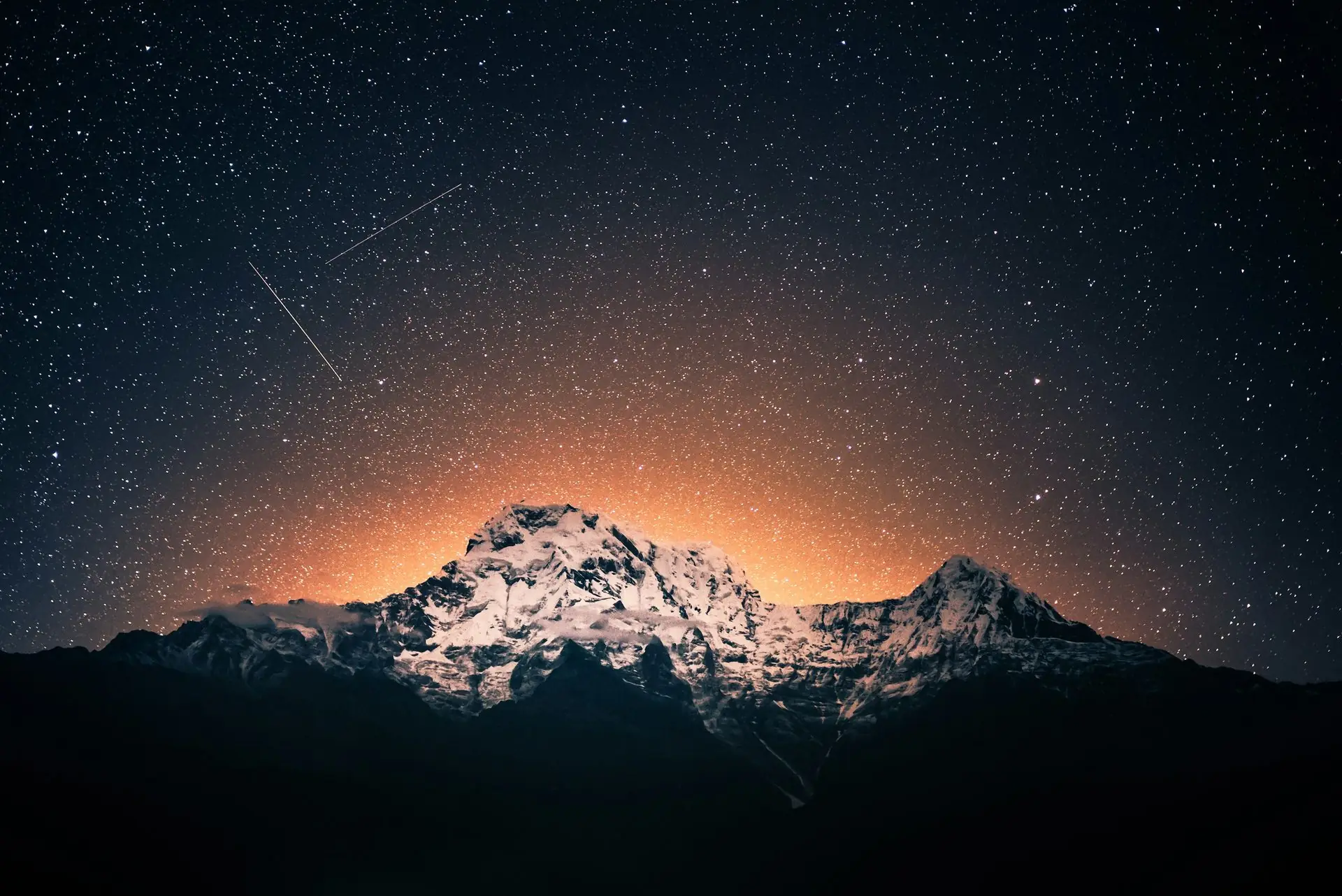
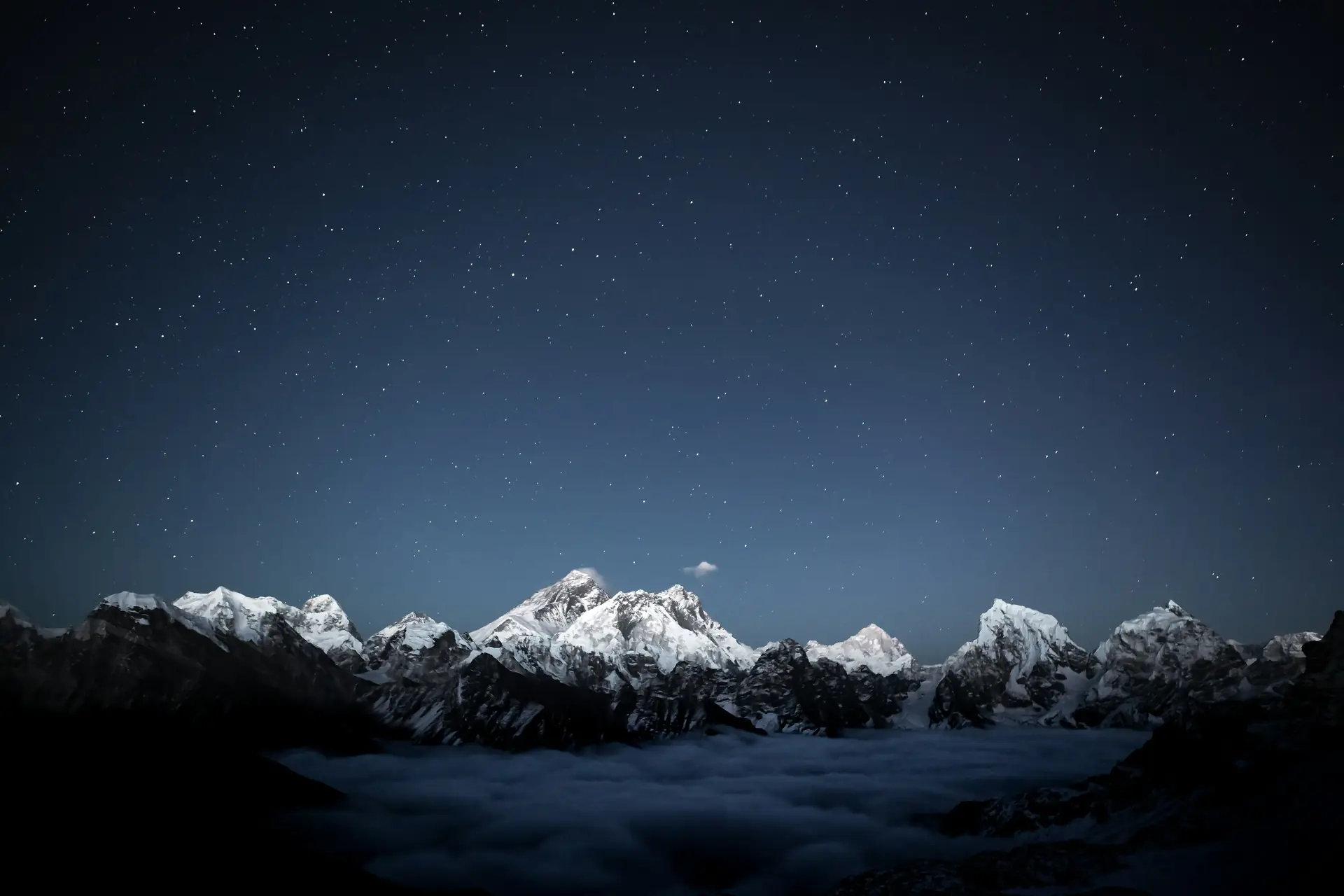
Summit day, and by far the longest and most demanding day of the trip. You'll leave high camp well before dawn, climbing sustained but non-technical snow slopes toward the summit ridge as the sky lightens. From the top, on a clear day, the view takes in Dhaulagiri I through V, the full Annapurna range including Annapurna South, close-up views of Tukuche Peak, Nilgiri and Tilicho Peak, and more than thirty other named summits scattered across the Kali Gandaki gorge below. After time at the top for photos and rest, the descent continues all the way past high camp back down to Yak Kharka in the same push, a genuinely long day on tired legs, which is exactly why the training and acclimatisation built into the earlier days of this itinerary matter as much as they do.
Day 11: Trek from Yak Kharka to Marpha, Drive to Tatopani, 3 Hours Trek and 3 Hours Drive
A shorter trekking day back down to Marpha, retracing the route from day 8 in considerably less time now that the body has adjusted and the direction is downhill. A vehicle then picks the group up in Marpha for the drive on to Tatopani, covering in three hours what took a full trekking day on the way up.
Day 12: Drive from Tatopani to Pokhara via Beni (800m), 6 to 7 Hours
The drive follows the Kali Gandaki and then Myagdi valleys back south, with the terrain gradually softening from high mountain rock into the terraced mid-hill farmland that surrounds Pokhara.
Day 13: Drive from Pokhara to Kathmandu (1,400m), 6 to 7 Hours
Retracing the road from day 3 back to the capital, with an overnight stay in Kathmandu to close out the trekking and climbing portion of the trip.
Day 14: Buffer Day in Kathmandu
Built into the itinerary deliberately, not as an afterthought. Weather delays on the mountain, or road and flight disruptions on the way back, are common enough in this region that a buffer day is genuine insurance rather than padding. If the trip has run to schedule, this becomes a free day for exploring Kathmandu further or simply resting before your flight home.
Day 15: Final Departure
A private transfer to Tribhuvan International Airport for your onward flight, closing out the trip.





 difficulty: Hard
 Popular