Day 1: Arrive in Kathmandu (1,300m)
We meet you at Tribhuvan International Airport and transfer you to your hotel by private vehicle. In the evening your guide runs the trip briefing and checks your boots, layers and daypack. Anything missing is much easier to fix in Thamel’s gear shops than on the trail.
Day 2: Drive from Kathmandu to Dhap, 8 to 9 hours
You leave early and drive east on the BP Highway, then on through Sindhuli, Udayapur and Okhaldhunga districts into Solukhumbu. Dhap is the roadhead for the Pikey Peak trail. Parts of this road are rough, especially after the monsoon, so we plan lunch stops rather than pushing straight through.
Day 3: Trek from Dhap to Japre (2,920m), 4 to 5 hours
Your first walking day climbs through villages and farmland. At Sigane, Numbur Himal appears for the first time. Japre has a small gompa and a clear evening view towards Everest and Numbur Himal. Rooms here are basic, as this is rural lower Solukhumbu, not the busier Khumbu corridor.
Day 4: Trek from Japre to Pikey Base Camp (3,640m), 5 to 6 hours
The trail drops to Bhulbhule, where it splits, and you take the right fork towards Pikey. You pass old yak huts and mani walls, then climb through forest below Takung Danda. In spring this section is rich in blooming rhododendron. After leaving the trees, roughly two hours of open ground bring you to Pikey Base Camp.
Honest note on altitude: You gain 720m of sleeping altitude today, from 2,920m to 3,640m. Commonly cited guidance suggests about 500m a night above 3,000m, so this is the biggest single gain on the route. That is why we keep the pace slow and why the summit is a day climb with a descent, not an extra night up high. Tell your guide about any headache, nausea or poor sleep, however minor.
Day 5: Sunrise at Pikey Peak (4,065m), trek to Loding (2,515m), 7 to 9 hours
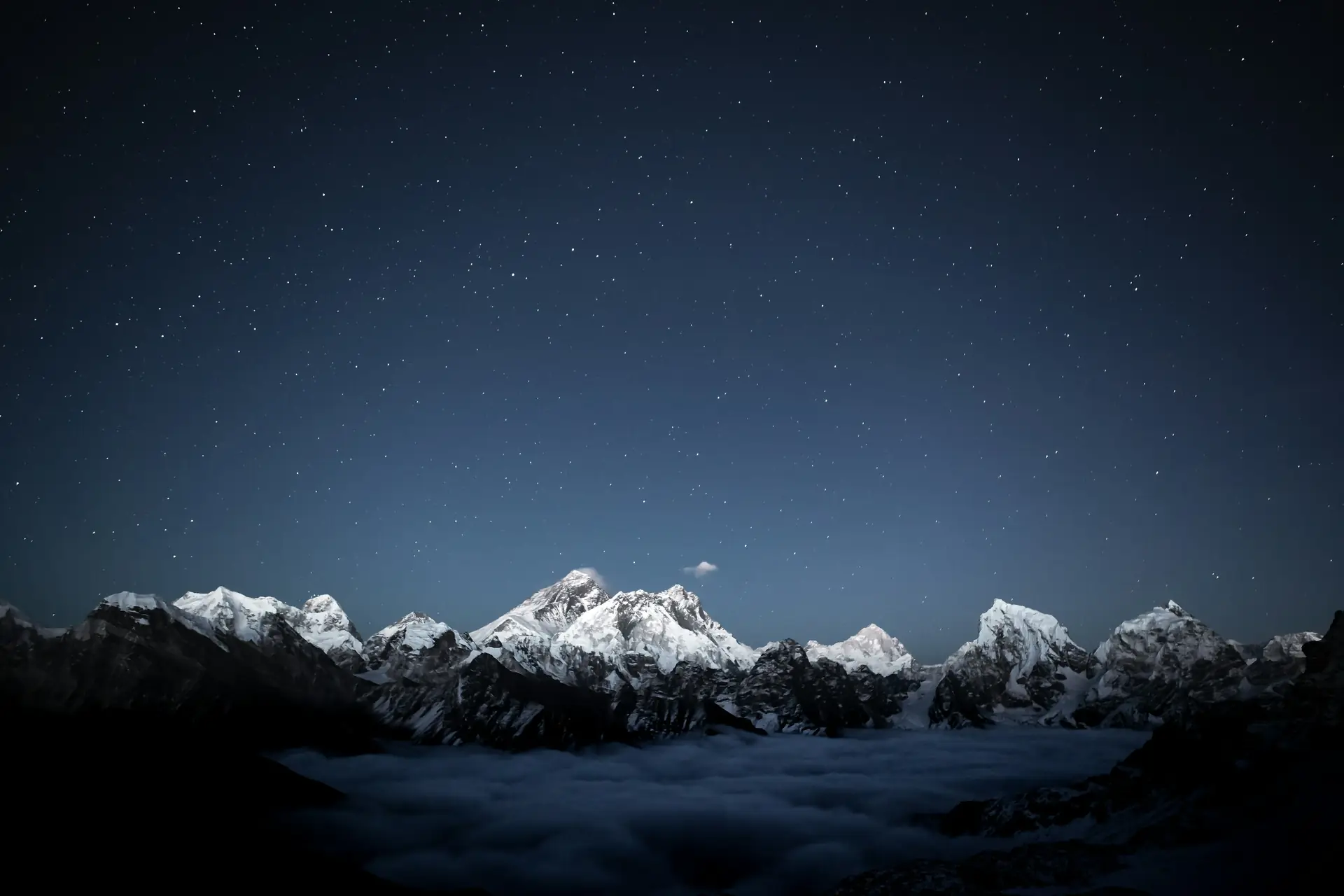
You leave in the dark and climb to the summit ridge, strung with prayer flags, in time for sunrise. This takes roughly one to two hours depending on pace and conditions. Wear your warmest layers, because the wait for first light at 4,065m is cold. On a clear morning you see Everest, Lhotse, Makalu and Kanchenjunga, and sometimes the western giants. Views are usually best early, as cloud often builds later in the morning.
You then descend the ridge into forest, stop at Jase Bhanjyang for breakfast and continue to Loding. The net loss is about 1,550m in one day, which is harder on knees than lungs. Trekking poles help a great deal here, and we can arrange them if you haven’t brought your own.
Day 6: Trek from Loding to Junbesi (2,700m), 5 to 6 hours
The trail winds through forest, past Traktor, then climbs into Junbesi, a substantial Sherpa village. Here you join the historic Jiri to Everest route, and lodges are better equipped than at the villages earlier in the trek. Thubtenchoeling Monastery sits above the village if you have energy for the walk.
Day 7: Trek from Junbesi to Taksindu (2,960m), 6 to 7 hours
You cross a river and climb through forest to Salung, where clear days show Makalu, Chamlang and Everest in one line of sight. The trail then passes Ringmo, known locally for apple orchards and the pie, cider and brandy made from them. A last climb over Taksindu La brings wide Himalayan views before the descent to Taksindu Monastery, which locals date to 1946. It is an active place of worship, so keep your voice low and ask before taking photos inside.
Day 8: Trek from Taksindu to Phaplu (2,459m), 5 to 6 hours
The easiest walking day. A forest trail leads down to Phaplu, and you can add an optional detour to Chiwong Gompa. It sits on a cliff above the valley and, according to local accounts, was founded in 1923. It hosts the autumn Mani Rimdu festival. Phaplu has an airstrip and noticeably more infrastructure, which tells you that you are back on a more frequented part of the route.
Day 9: Drive from Phaplu to Kathmandu, 8 to 9 hours
A full day on the road, retracing the route to Kathmandu. We plan nothing for the evening beyond dinner, because most trekkers are tired by now.
Day 10: Sightseeing in Kathmandu
A guided day among the Kathmandu Valley’s UNESCO World Heritage sites, usually Pashupatinath, Boudhanath, Swayambhunath and Kathmandu Durbar Square. This day also works as a buffer. If landslides or weather slow the road on the way back, it absorbs the delay and protects your international flight.
Day 11: Departure
Transfer to Tribhuvan International Airport, timed three hours ahead of your scheduled flight, standard practice we follow on every departure regardless of destination, given how variable security queue times can be at peak travel periods.
Ready to see Everest from the viewpoint Hillary is said to have loved best, without the altitude of Base Camp? Get in touch for current dates and pricing, or ask about combining this trek with the Dudhkunda Lake extension for a longer high-altitude add-on.





 difficulty: Easy
 Popular

 Group joining