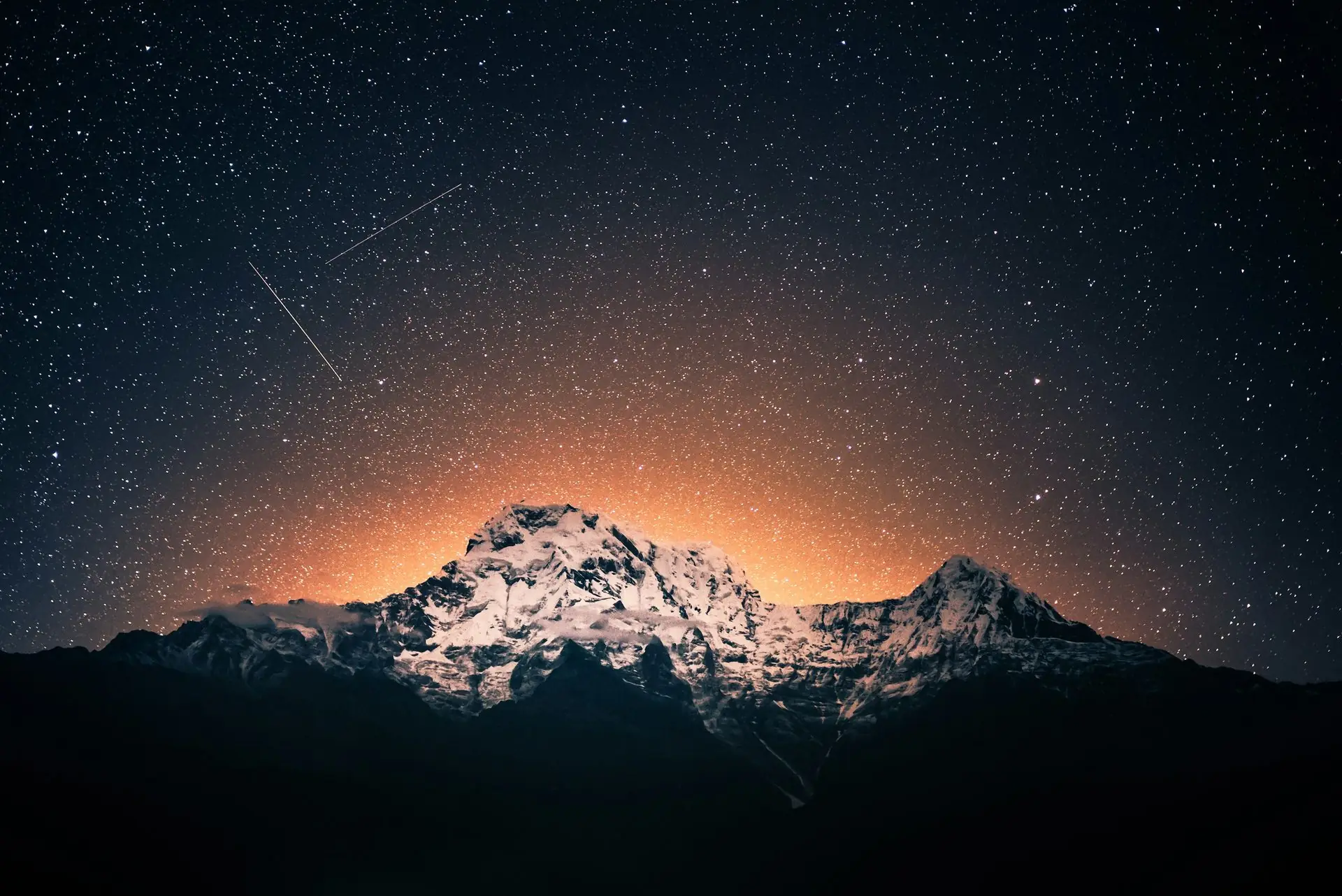
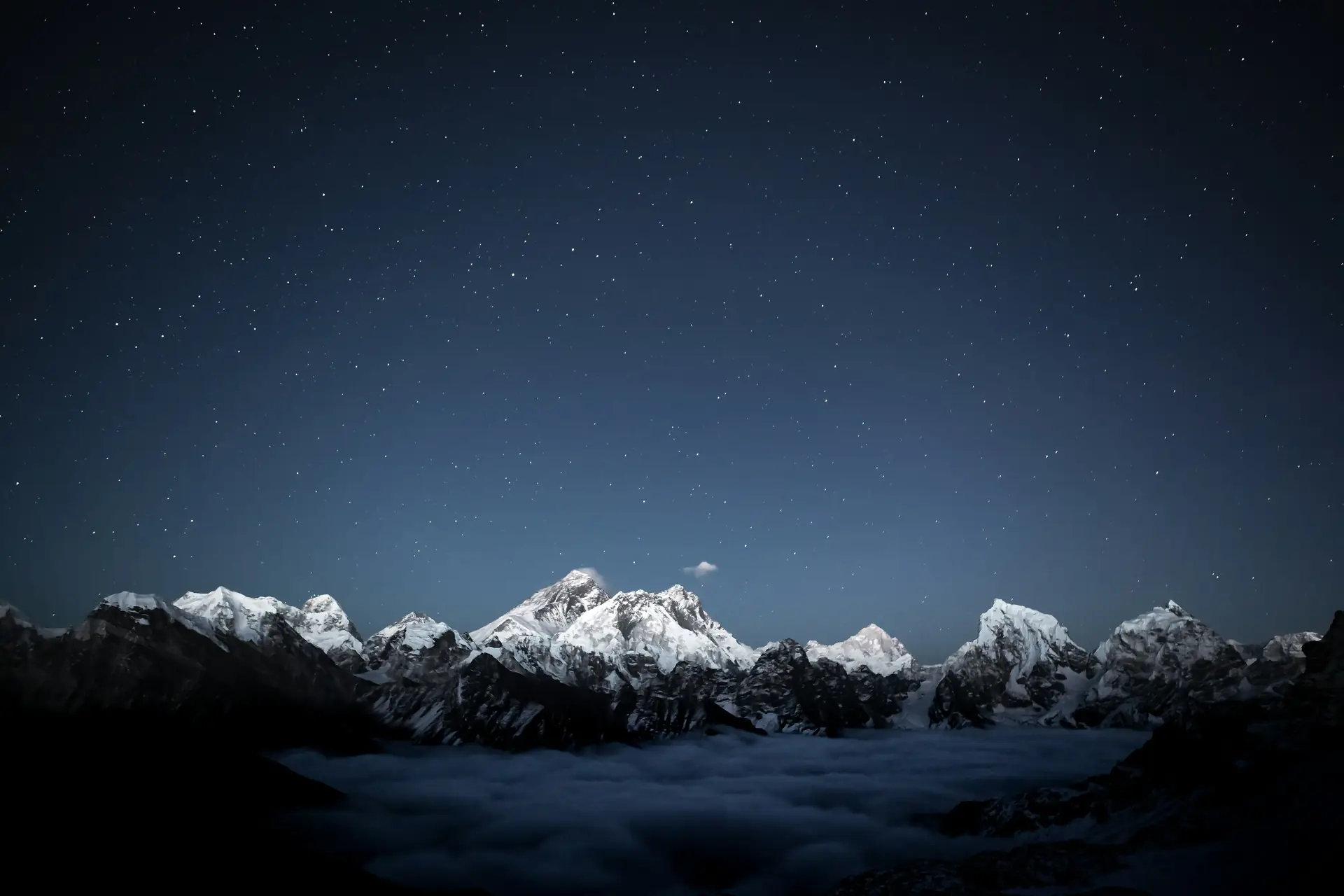
The view of Mera Peak

Mera Peak Climb - 15 Days

15Days
6476mMax altitude
HardDifficulty
$2,690per person

Overview

Mera Peak Climb - 15 Days

At 6,476 metres, Mera Peak is the highest trekking peak permitted in Nepal, and it's also one of the most approachable. You won't need ropes and ice screws or years of alpine climbing behind you. What you do need is solid fitness, two weeks of patience, and a guide who knows the Hinku Valley well enough to read the mountain's moods. This 15-day itinerary takes you from Kathmandu through Lukla, up through rhododendron forest and yak pasture into the Hinku Valley, over the Zatrwa La pass, and onto a summit ridge with five of the world's six highest mountains lined up on the horizon: Everest, Lhotse, Makalu, Cho Oyu and Kanchenjunga.

Mera Peak actually has three summits: North (6,476m), Central (6,461m) and South (6,065m). Most commercial expeditions, including this one, climb the North or Central summit. The peak was first climbed on 20 May 1953 by Colonel Jimmy Roberts and Sen Tenzing, just days before Hillary and Norgay's Everest ascent made headlines, and it's been a proving ground for aspiring high-altitude climbers ever since.

Why climb with Nepal Vision Treks

We've been running trips in Nepal for 34 years, and Mera Peak is one we take seriously precisely because it looks easier than it is. Our climbing guides carry a minimum of 15 years' mountain experience, not just trekking experience, and every group gets a genuine porter-to-trekker ratio rather than one guide stretched across a dozen clients. We're not the cheapest operator running this itinerary, and we won't pretend to be. We pay our guides and porters properly, we use 4 or 5-star hotels in Kathmandu depending on availability, and we build in a full acclimatisation and skills day at Khare rather than rushing you to high camp underprepared. On a peak where poor pacing is the main reason people turn back, that extra margin is worth more than a lower price tag.

How hard is Mera Peak, really

Mera Peak sits in an odd category. Altitude-wise it's harder than Island Peak or most Everest Base Camp routes. Technically, it's one of the gentler climbs among Nepal's trekking peaks. The approach is 8 to 9 days of steady up-and-down trekking through remote, sparsely populated valleys, tougher underfoot and logistically than the well-trodden Everest Base Camp trail, simply because teahouses are fewer and further between. The final 1,000 metres from high camp to summit cross a glaciated slope at 30 to 40 degrees, which is why you'll rope up and use crampons and an ice axe, but you won't be swinging tools on vertical ice.

You don't need prior mountaineering experience. You do need to arrive genuinely fit: months of hill walking with a loaded pack, cardio work at altitude if you can get it, and honestly assessed comfort with 6 to 7 hour trekking days back to back. We run a full day of crampon, ice axe and rope training at Khare before anyone heads for high camp, so the technical side is taught on the mountain rather than assumed beforehand.

Permits and documents you'll need

Climbing Mera Peak legally requires paperwork that only a government-registered agency like ours can process on your behalf. Here's what's involved and roughly what it costs:

Mera Peak Climbing Permit, issued by the Nepal Mountaineering Association. This is the big one, and the fee is seasonal: around USD 250 per person in spring, USD 125 in autumn, and USD 70 in winter or summer. Climbing without it is illegal and puts an operator's licence at risk, so treat any quote that skips this line item with suspicion.

Makalu Barun National Park entry permit, roughly NPR 3,000 (about USD 23) per person, since the standard route enters the park around Khare and the upper Hinku Valley.

Khumbu Pasang Lhamu Rural Municipality fee, around NPR 2,000 (about USD 15), which has effectively replaced the old TIMS card requirement for this particular route.

Garbage deposit, typically USD 250 per team, refunded once your operator can show the waste generated on the mountain was carried back out. We handle this as standard and absorb it into your package price.

Bring two passport-sized photos and a photocopy of your passport photo page. We take care of the applications, but the documents need to be yours.

Best season and weather for Mera Peak

Spring, March to May, gives the most stable summit weather and the clearest mountain views, which is also why the climbing permit costs more in this window. Autumn, September to November, runs a close second, with crisp air and reliably good visibility once the monsoon clears. Winter, December to February, is possible for experienced cold-weather climbers but brings serious overnight temperatures at high camp, often well below minus 15°C. Summer, June to August, coincides with the monsoon and isn't recommended, since cloud cover on summit day usually means you'll reach the top and see nothing but white.

Itinerary Outline:

1st Day: Arrival in Kathmandu (1,300m/4,265ft)
2nd Day: Fly to Lukla (2,860m/9,383ft), trek to Paiyu
3rd Day: Trek from Paiyu to Panggom
4th Day: Trek from Panggom to Ningsow
5th Day: Ningsow to Chhatra Khola
6th Day: Chhatra Khola to Kothe
7th Day: Kothe to Thaknak
8th Day: Thaknak to Khare
9th Day: Acclimatization and pre climb training at Khare
10th Day: Khare to Mera High Camp
11th Day: Mera High Camp to Summit (6,476m/21,247ft) and back to Khare
12th Day: Khare to Kothe
13th Day: Kothe to Thuli Kharka
14th Day: Thuli Kharka to Lukla via Zatrwa La pass (4,580m/15,026ft)
15th Day: Fly to Kathmandu (1,300m/4,265ft)

Duration15 Days
DifficultyHard
Max altitude6476m
Start / EndKathmandu
AccommodationHotel & Tea house
Mera Peak Climb - 15 Days photo
  • The highest trekking Peak
  • Remote route
  • 360 view of five 8000 m mountain
  • Sherpa lifestyle and culture
Mera Peak Climb - 15 Days photo Mera Peak Climb - 15 Days photo Mera Peak Climb - 15 Days photo

Best Season for this trip

March to May & Sep to Dec

Spring: Mar-May Monsoon: Jun-Aug Autumn: Sep-Nov Winter: Dec-Feb

Day by day

Unfold your journey

Mera Peak Climbing Map

Kathmandu → Kathmandu

Climbing Map of Mera Peak
day
1

Arrival in Kathmandu

20 Minutes Hotel Kathmandu Welcome Dinner
Our team meets you at Tribhuvan International Airport and transfers you to your hotel in Thamel. If your flight lands with time to spare, we'll run through your gear list and answer any last questions over a welcome dinner in the evening.
Arrival in Kathmandu
day
2

Fly to Lukla, Trek to Paiyu

20 Minutes 27 Minutes 4-5 Hrs Tea House Paiyu Lunch & Dinner Breakfast
The 27-minute flight to Lukla is one of the most scenic short hops in the Himalayas, weather permitting, with the runway sitting on a mountainside shelf. From Lukla, you head south and slightly off the main Everest trail, descending through forest for 4 to 5 hours to the small settlement of Paiya. This route sees a fraction of the traffic of the EBC trail, so expect quiet trails from day one.
Fly to Lukla, Trek to Paiyu
day
3

Trek from Paiyu to Panggom

5-6 Hrs Tea House Panggom Lunch & Dinner Breakfast
A longer day, 5 to 6 hours, climbing steadily out of Paiya through mixed forest before dropping into Panggom. The trail gains and loses altitude repeatedly here, which is deliberate: it builds acclimatisation gradually rather than in one hard push.
Trek from Paiyu to Panggom
day
4

Trek from Panggom to Ningsow

6 Hrs Tea House Ningsow Lunch & Dinner Breakfast
Around 6 hours of trekking through rhododendron and oak forest, crossing a couple of suspension bridges over fast-moving side rivers. Ningsow marks your entry into genuinely remote territory, with teahouses run by the same handful of Sherpa families for generations.
Trek from Panggom to Ningsow
day
5

Ningsow to Chhatra Khola

6 Hrs Tea House Chhatra Khola Lunch & Dinner Breakfast
Another 6-hour day, this one taking you through terraced fields lower down before the forest thickens again higher up. You're now walking parallel to the Hinku Valley's eastern wall, with occasional breaks in the tree line giving you your first glimpses of the peaks ahead.
Ningsow to Chhatra Khola
day
6

Chhatra Khola to Kothe

6 Hrs Tea House Kothe Lunch & Dinner Breakfast
6 hours of trekking bring you properly into the Hinku Valley at Kothe. The terrain opens out here, and you'll notice the air thinning even on flat sections. This is where the trip starts to feel like a genuine expedition rather than a trek.
Chhatra Khola to Kothe
day
7

Kothe to Thaknak

5 Hrs Tea House Thaknak Lunch & Dinner Breakfast
A shorter day at around 5 hours, but the altitude gain is meaningful. The valley narrows and the vegetation thins to scrub and moss. Keep hydration and pace disciplined here, since this is often where the first mild altitude symptoms show up if someone has pushed too hard.
Kothe to Thaknak
day
8

Thaknak to Khare

5 Hrs Tea House Khare Lunch & Dinner Breakfast
Another 5-hour day, crossing moraine and rockier ground as you approach Khare, the last proper settlement before the climb and effectively your base camp for the ascent. Mera Peak itself becomes visible from here for the first time, along with the glacier you'll be crossing.
Thaknak to Khare
day
9

Acclimatization and Pre-Climb Training

2/3 Hrs Tea House Khare Lunch & Dinner Breakfast
A full rest and training day. In the morning, we hike 2 to 3 hours up toward the edge of the glacier and back to aid acclimatisation, following the "climb high, sleep low" principle. In the afternoon, your guide runs a hands-on session covering crampon fitting, ice axe technique, and rope and harness use, since this is the only formal training most climbers get before summit day.
Acclimatization and Pre-Climb Training
day
10

Khare to Mera High Camp

4 Hrs Tent High Camp Lunch & Dinner Breakfast
A 4-hour climb onto the glacier proper, now roped and wearing crampons for the first time on the route. High camp is basic, tented, and cold, but the position is spectacular, with unobstructed views across the Hinku Valley. Everyone turns in early, since the summit push starts well before dawn.
Khare to Mera High Camp
day
11

Mera High Camp to Summit and Back to Khare

6-7 Hrs Tea House Khare Lunch & Dinner Breakfast
The big day. You'll leave high camp around 2 to 3am, headtorches on, to reach the summit ridge before the wind picks up and cloud typically rolls in by mid-morning. The final approach is a steady, roped ascent across the glacier at 30 to 40 degrees, technically straightforward but relentless at this altitude. From the top, on a clear day, you'll see Everest, Lhotse, Makalu, Cho Oyu and Kanchenjunga in a single sweep, along with Ama Dablam and Baruntse closer at hand. The descent back to Khare in the same day is long, 6 to 7 hours total on your feet, so this is the point where the acclimatisation and training from day 9 earns its keep.
Mera High Camp to Summit and Back to Khare
day
12

Khare to Kothe

& Hrs Tea House Kothe Lunch & Dinner Breakfast
A shorter, easier day retracing your steps downhill. Most climbers notice how much lighter breathing feels as the valley drops away, and there's usually a genuinely celebratory mood in the teahouse that evening.
Khare to Kothe
day
13

Kothe to Thuli Kharka

6-7 Hrs Tea House Thuli Kharka Lunch & Dinner Breakfast
6 to 7 hours back over familiar terrain, though descending rather than climbing changes how the landscape reads. This is a good day to talk through the climb with your guide and start processing what you've just done.
Kothe to Thuli Kharka
day
14

Thuli Kharka to Lukla via Zatrwa La Pass

7 Hrs Tea House Lukla Lunch & Dinner Breakfast
The last full trekking day, and not an easy one at 7 hours, crossing the Zatrwa La pass before dropping steeply back into Lukla. The pass gives one final wide-angle view back toward the Hinku Valley and the peak you just stood on top of.
Thuli Kharka to Lukla via Zatrwa La Pass
day
15

Fly Back to Kathmandu

27 Minutes Breakfast
A 27-minute flight returns you to Kathmandu, where the rest of the day is yours. Most groups mark the end of the trip with dinner together in Thamel.
Fly Back to Kathmandu

Mera Peak Climbing Altitude Chart

Metres above sea level

Mera Peak Climbing Altitude Chart

What's covered

Inclusions & exclusions

Trip includes

  • All airport and hotel transportation by private vehicle in Kathmandu as per the itinerary suggested.
  • Deluxe twin-sharing accommodation in Kathmandu with breakfast
  • Farewell dinner in Kathmandu (Alcoholic beverages are excluded)
  • Private transportation cost to and from Kathmandu to the destination
  • Full board meal (breakfast, lunch, dinner, tea & coffee) during the trek
  • Seasonal fruits during the trek are provided
  • Comfortable & clean accommodation on teahouse/lodge/tent during the trek
  • Government Registered Trek guide (English speaking, First Aid and eco trained), Sherpa porter (one porter for two trekkers)
  • All necessary paper works, Entry fees, permits & TIMS card
  • Four seasonal sleeping bags, Nepal Vision Treks duffel bag, and trekking map (sleeping bag to be returned after trip completion)
  • First aid exclusive medical kit bag
  • All government and local taxes

Trip excludes

  • Visa fees (You can obtain a visa easily upon your arrival at Tribhuwan International Airport in Kathmandu so (bring accurate USD cash and two passport photographs)) International airfare to and from Kathmandu
  • Lunch and dinner except for welcome & fare well dinner (and also in the case of early return from the mountain than the scheduled plan)
  • Any extra night accommodation in Kathmandu because of early arrival, late departure, and early return from the mountain (due to any reason) than the scheduled itinerary plan
  • Travel and rescue insurance

Dates & Prices

Upcoming Departures

departure

status

from

17-31 October 2026

Guaranteed

Open group · join anytime

$2,690

join us

22 Oct - 5 Nov 2026

Guaranteed

Open group · join anytime

$2,690

join us

30 Oct - 13 Nov 2026

Guaranteed

Open group · join anytime

$2,690

join us

Dates don’t fit? Every trip also runs privately on the date of your choice. Book a private departure.

FAQ’s

What travelers often ask

How long is this Mera Peak Climb?
This itinerary runs 15 days from Kathmandu back to Kathmandu, including 2 flight days, 8 to 9 days of approach trekking, a rest and training day, the summit push, and the return trek.
Is Mera Peak Climb more difficult than Island Peak?
With the increase in elevation and trail, Mera Peak climbing is more difficult than Island Peak climbing.
Can you climb Mera Peak without a guide
No. Independent trekkers can obtain general trekking permits on their own, but the NMA climbing permit for Mera Peak can only be processed by a government-registered trekking agency, and a qualified climbing guide is a practical requirement on the glaciated summit section regardless of the paperwork.
Do I need previous mountaineering experience
No, prior technical climbing is required. You do need strong general fitness and a realistic acceptance of long trekking days at altitude. All climbing technique is taught on the mountain during the training day at Khare.
What are the alternatives to Mera Peak
Island Peak (Imja Tse), Lobuche Peak, the combined Mera and Island Peak via Amphu Laptsa route, and Pisang Peak all offer comparable trekking-peak experiences with their own trade-offs in altitude, technicality and remoteness.

Good to know

Useful information

Altitude and AMS safety

You'll sleep above 5,000 metres for four nights on this itinerary, and above 3,500 metres for most of the trip, so acute mountain sickness is a real consideration, not a box-ticking mention. Our guides are trained in AMS recognition and carry a Gamow bag and pulse oximeter on route. The itinerary is built with acclimatisation in mind: the Panggom to Ningsow section climbs and drops repeatedly rather than gaining height in one line, and the full rest day at Khare exists specifically to let your body adjust before you touch the glacier.

Symptoms to watch for are headache, nausea, loss of appetite and disturbed sleep. Mild symptoms are common and usually manage with rest, fluids and a slower pace the next day. Anything worsening, especially confusion, loss of coordination or breathlessness at rest, means descent, no exceptions. We strongly recommend travel and rescue insurance that explicitly covers mountaineering up to 6,500 metres and includes helicopter evacuation. Many standard travel policies cap altitude coverage at 4,500 metres, which is useless here, so read the fine print before you buy.

Training and preparation

Start preparing at least three months out if you can. Focus on:

Cardiovascular endurance: hill walking, running or cycling, 3 to 4 sessions a week, building toward back-to-back long days
Leg strength: stairs, squats and lunges with a loaded pack, since sustained descent is often harder on the body than the climb up
Load-carrying practice: walk with a 8 to 10kg daypack on training hikes so the weight feels normal by the time you're on the mountain
Basic gear familiarity: if you can borrow crampons and practise walking in them beforehand, even on flat ground, summit day will feel far less foreign

We don't expect climbing experience, but we do expect honesty about fitness level when you book. It's the single biggest factor in whether someone enjoys this trip or simply survives it.

What to pack

Beyond standard trekking kit, plan for genuine high-altitude mountaineering gear: a -20°C rated sleeping bag (we provide four-season bags as part of your package), plastic or hybrid mountaineering boots compatible with crampons, a climbing harness, ascender and descender (we supply technical hardware), a headtorch with spare batteries for the pre-dawn summit push, glacier glasses or goggles, and layered insulation including a down jacket rated for extreme cold. Khare has a small selection of gear-hire shops if you're missing anything, but quality and sizing are inconsistent, so bring your own boots and harness if at all possible.

Cost and what's included

Our all-inclusive price starts from USD 2,690 per person. That covers airport and hotel transfers in Kathmandu, deluxe twin-share accommodation with breakfast, a farewell dinner, private transport to and from the trailhead, full board on the trek, a government-registered climbing guide and Sherpa porter support at one porter per two trekkers, all permits and park fees, a four-season sleeping bag and duffel bag, and a dedicated first aid kit.

Not included: international airfare, your Nepal visa (easily arranged on arrival at Tribhuvan International Airport with USD cash and two passport photos), lunch and dinner in Kathmandu outside the welcome and farewell meals, any extra nights caused by early arrival, late departure or an early return from the mountain, and travel and rescue insurance, which we require but don't sell directly.

If the price sits above some quotes you'll see online, ask what's missing from theirs. A genuinely qualified guide, a real acclimatisation day, and a rescue-capable insurance requirement all cost something, and cutting them is usually how a cheaper number gets reached.

Mera Peak versus Island Peak

Both are classic Nepal trekking peaks, but they suit different climbers. Mera Peak is higher (6,476m against Island Peak's 6,189m), remoter, and involves a longer, quieter approach through the Hinku Valley. Island Peak sits inside the busier Everest Base Camp corridor, is shorter overall, and has a steeper, more exposed summit section despite its lower altitude. If solitude and altitude are the draw, choose Mera. If you'd rather combine a peak climb with the classic Everest Base Camp experience, Island Peak or one of our combined itineraries fits better.

Ready to stand on top of Nepal's highest trekking peak? Get in touch and we'll walk you through dates, group availability, and how to prepare, or ask about booking this as a private departure on a date that suits you.

More Adventures

You may also like

Contact Us

Nepal flag

Dabali Marga, Thamel

Phone: 977-1-4524762

Fax: 977-1-4523296

Whatsapp: +977 9802342081

[email protected] [email protected]
United States flag

Washington DC, USA

Phone: +1 202-368-6657

Parashu Nepal

[email protected]
Australia flag

Sydney, Australia

Whatsapp: +61 426 730 548

Ashim Wagle

[email protected]
Canada flag

Regina, Canada

Phone: +1 (306) 250-1246

Shraddha Gaire

[email protected]
China flag

Beijing, China

Phone: +86 198 5746 8386

Bhaba Shrestha

[email protected]
Tripadvisor The New York Times Expedia Condé Nast Traveler Lonely Planet Forbes Travel Guide