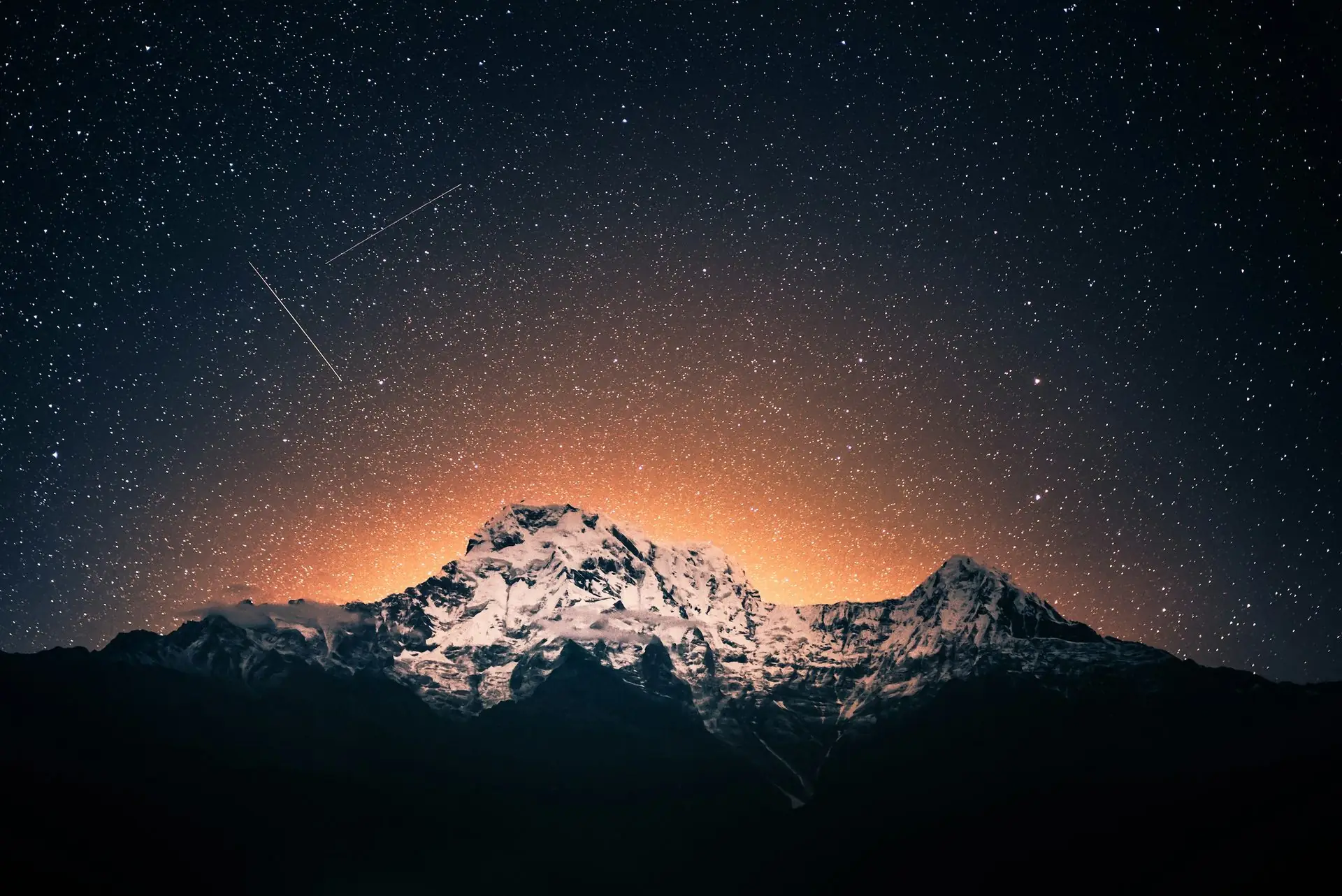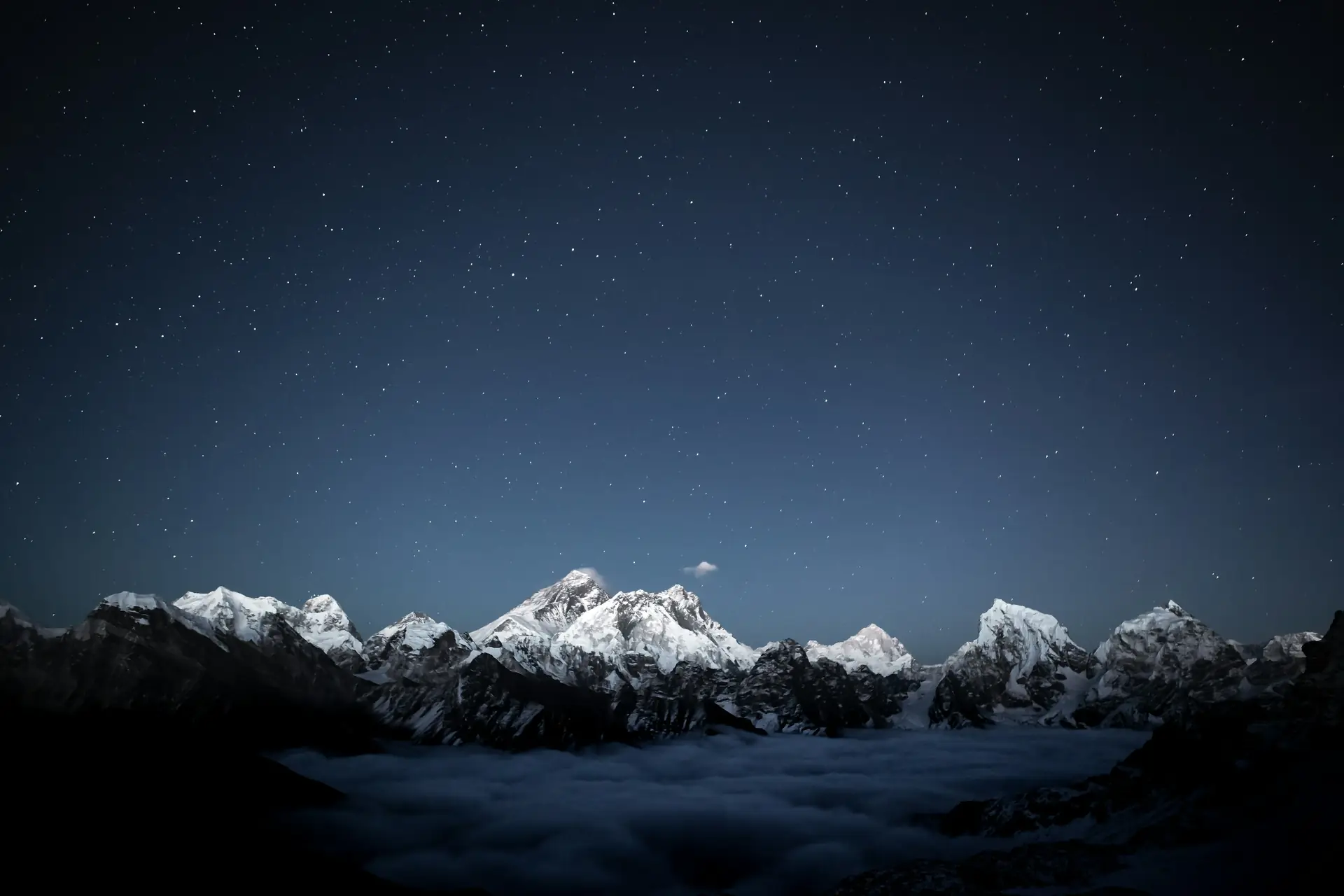







At 5.40 am on the ridge above Pikey Base Camp, the loudest thing you will hear is a yak bell somewhere below you. Everest, Lhotse and Makalu turn pink along the horizon, and nobody is jostling for the best spot. A few seasons ago, a couple from Melbourne who had planned Everest Base Camp told us they had changed their minds after seeing photographs of queues on the suspension bridges near Namche. They walked Pikey instead. The first thing they said at the top was that they had expected more people.
If you are searching for the best treks in Nepal without crowds, this guide covers eight routes that deliver big mountains and real quiet, plus one dry-climate option for the monsoon. Most are not the routes you will find at the top of every other list. For each one, you will find where it goes, why it stays quiet, what a typical day looks like, and what you need to know about altitude, permits, season, and cost.
Quick answer for anyone in a hurry: the least crowded treks in Nepal are Kanchenjunga, Makalu Base Camp, Dhorpatan and Rolwaling. The easiest quiet treks for first-timers are Pikey Peak, Khopra Danda and Rara Lake.
What Counts as a Trek Without Crowds?
A trek without crowds is a route that sees only a small fraction of the walkers on the main Everest Base Camp or Annapurna Circuit trails. You share a teahouse with a handful of people rather than a few hundred, and you can still find a seat by the stove at dinner.
Quiet routes are quiet for a reason, and the reason is usually one of five things. The route starts far from a road or an airstrip. It needs a restricted-area permit. The lodges are few, basic, or run by the community. The walk-in is long. Or the mountains are simply less famous, which is the case for many of the most beautiful valleys in the country.
Each of these keeps numbers down, and each also asks something of you. You will carry fewer comforts, you will plan for weather and flights more carefully, and you will rely more on your guide than you would on a busy trail with a lodge every hour. That trade is the whole point. If you are comfortable with it, you will have some of the best walking in Nepal almost to yourself.
A note on honesty. No trek in Nepal is guaranteed to be empty. Autumn is the busiest season everywhere, and a trail that is quiet in October can feel lively when a large group arrives at the same lodge. The routes below are the ones where that is least likely to happen, and the time of year you choose makes a real difference. We cover timing in detail further down.
Feature Table: The Quiet Treks at a Glance
The table below sets the eight quiet routes and the Upper Mustang option side by side. Columns run in this order: trek, region, typical days, highest point, difficulty, accommodation, best seasons, permits, crowd level.
| Trek | Region | Duration | Maximum Altitude | Difficulty | Accommodation | Best Season | Permits | Crowds |
| Pikey Peak | Solu, Solukhumbu | 11 days from Kathmandu | 4,065 m | Moderate | Simple teahouses | March–May; October–November | Local entry permit | Very low |
| Khopra Danda | Annapurna, Myagdi | 8–10 days | About 3,660 m | Moderate | Community lodges | March–May; October–November | ACAP, TIMS | Low |
| Ruby Valley & Ganesh Himal | Dhading and Rasuwa | 8–10 days | About 3,800 m | Moderate | Basic teahouses and homestays | March–May; October–November | Conservation-area or local permit, TIMS | Very low |
| Rara Lake | Mugu, Karnali | 7–10 days | 2,990 m at the lake | Easy to moderate | Lodges, homestays, and camping | April–May; September–November | Rara National Park permit | Very low |
| Rolwaling & Tsho Rolpa | Dolakha | 12–14 days | 4,580 m | Challenging | Basic lodges and camping | April–May; October–November | Gaurishankar Conservation Area permit, TIMS | Very low |
| Dhorpatan | Western Nepal | 10–14 days | Around 4,000 m | Moderate to challenging | Mostly camping | April–May; October | Hunting Reserve entry permit | Extremely low |
| Makalu Base Camp | Sankhuwasabha | 18–22 days | About 4,870 m | Challenging | Basic lodges and camping | April–May; October–November | Makalu Barun National Park permit | Extremely low |
| Kanchenjunga Base Camps | Taplejung | 23 days for both base camps | 5,143 m | Challenging | Basic lodges and camping | April–May; October–November | Restricted-area permit, conservation-area permit | Extremely low |
| Upper Mustang | Mustang | 17 days | About 3,840 m at Lo Manthang | Moderate | Teahouses | March–November, including monsoon | Restricted-area permit, ACAP | Low |
The Best Treks in Nepal Without Crowds, Route by Route
Pikey Peak Trek
Pikey Peak is the easiest way to see Everest without sharing the view. It sits in the Solu region of Solukhumbu, on the edge of the district rather than inside the busy Khumbu valley, and it is often described as one of the finest Everest viewpoints reachable on a trek of fewer than two weeks.
The route is simple to follow. You drive from Kathmandu to Dhap, which takes most of a day, then walk through thick rhododendron and oak forest to Japre at 2,920m. The next day you climb to Pikey Base Camp at 3,640m, a small cluster of lodges on a ridge. Sunrise at Pikey Peak, 4,065m, is the reason you are here. You leave before dawn, walk up in head torch light, and watch the Himalayan range appear in layers: Everest, Lhotse, Makalu and, on the clearest mornings, Kanchenjunga far to the east.
After the summit you descend through Sherpa farmland to Loding at 2,515m, then continue to Junbesi, a village with a river, a monastery and a long history of Sherpa trade. From there you walk to Taksindu at 2,960m, a monastery village with wide views, and finish at Phaplu at 2,459m before driving back to Kathmandu. Our Pikey Peak trek is planned as 11 days including the drive, a day in Kathmandu for sightseeing and a departure day.
Why it stays quiet: most visitors to Solukhumbu fly to Lukla and walk north. Pikey sits in a different direction and most trekking agencies sell it only as a short add-on. The lodges are simple, the menus are limited, and there are no big groups.
Altitude and difficulty: the high point of 4,065m is reached after only a few days of climbing, so a slow pace and good hydration matter. Most healthy walkers manage it, but we build in short days at Japre and Pikey Base Camp so your body can adjust. Difficulty is moderate, and the trails are well defined.
Best season: March to May for rhododendron blooms, and October to November for clear air. December and January can be clear but cold at the base camp.
Permits: a local entry permit is required, and your guide arranges it. Requirements can change, so we confirm the current rules before you travel.
Cost range: private guided trips on this route typically run from about US$ 1,200 to US$ 1,800 per person depending on group size, hotel level in Kathmandu and the season.
Best for: first-time Himalayan trekkers, families with older children, and anyone who wants a short trek with a real mountain view.

Khopra Danda Trek
Most walkers who reach Ghorepani turn around after Poon Hill. The ones who keep going find Khopra Danda, a broad grassy ridge at about 3,660m with Annapurna South, Dhaulagiri and Nilgiri filling the sky. In busy autumn weeks, the Poon Hill trail can feel like a queue at sunrise. Khopra, a day or two further along the same hills, is almost empty.
The standard route climbs from Ghorepani or Tadapani through oak and rhododendron forest to Swanta, then up to Chistibang and on to Khopra. The ridge itself is open and exposed, and the afternoon weather can change quickly. From Khopra you can add a side trip to Khayer Lake, a sacred high-altitude lake in the region of 4,500m, and some itineraries link to the Mohare Danda trail for a loop back to Ghorepani.
Why it stays quiet: the lodges are community-run, not commercial. They are simple, with limited hot water, small kitchens and shared rooms. That keeps big groups away and gives the route a pleasant, unhurried feel. Local committees run the lodges and the proceeds go back into the villages.
Altitude and difficulty: the climbs are steep, with long stone staircases, but the altitude is moderate. Altitude sickness is less likely than at Pikey, though it is still possible above 3,000m. Difficulty is moderate, and the ridge days are the toughest.
Best season: March to May for flowers and October to November for clear mountain views. Winter has snow on the ridge, which can close the upper lodges.
Permits: an Annapurna Conservation Area Project permit and a TIMS card are needed.
Cost range: private guided trips typically run from about US$ 900 to US$ 1,500 per person.
Best for: walkers who want an Annapurna view without the Annapurna crowds, and anyone who enjoys village hospitality over comfort.
Ruby Valley and Ganesh Himal Trek
Ruby Valley is the least known of the northern routes within easy reach of Kathmandu. It starts in Dhading district and loops through Tamang and Gurung villages beneath Ganesh Himal, which rises to 7,422m. If you want a trek where the culture is the main attraction and the mountains are a backdrop, this is a strong pick.
The days are long. You climb through terraced fields and bamboo forest, cross ridges, and drop into small villages where trekkers are still a talking point. Stone houses, prayer flags and mani walls mark the Tamang settlements, and you will often be invited to share tea at a courtyard on the way. The high point is around 3,800m, so the altitude is manageable, but the daily ascents and descents can be tiring. There is no single big pass to define the route, which suits walkers who enjoy changing scenery over a single peak moment.
Why it stays quiet: the trail is long and the infrastructure is thin. Lodges exist but are basic, and meals are plain. That is a deterrent for most trekkers and a draw for the ones we guide on this route.
Altitude and difficulty: moderate overall. The challenge is the number of hours on the trail rather than the altitude. Good boots and a steady pace matter more than fitness at altitude.
Best season: March to May and October to November. The summer monsoon makes the trails slippery and leech-prone.
Permits: depending on the route, a conservation area or local permit plus a TIMS card is required. We confirm the exact permits for your itinerary.
Cost range: private guided trips typically run from about US1,100toUS1,700 per person.
Best for: culture-minded walkers, photographers, and anyone who prefers village life to mountain extremes.
Rara Lake Trek
Rara is Nepal's largest lake, sitting at 2,990m inside Rara National Park in the far west. It is roughly 10 square kilometres in size and more than 160m deep, with water that shifts from blue to green depending on the light. The park protects forests of pine, juniper and spruce, and wildlife such as red panda, Himalayan black bear and musk deer live there.
You reach Rara by air. A flight from Kathmandu to Nepalgunj connects to a smaller flight to Jumla or the Talcha airstrip, so you get to a remote part of Nepal without days of driving. From Jumla, the trek follows the Sinja valley and old trade paths through villages and forest to the lake. You can circle the shore in half a day, and a ridge above 3,400m gives the best view over the water and the surrounding hills. Snow covers the highest points in winter and early spring.
Why it stays quiet: Rara is far from the main trekking corridors, flights can be unreliable, and the area has fewer lodges than the Everest or Annapurna regions. That combination keeps the numbers low.
Altitude and difficulty: this is one of the safest remote treks for a first-timer. The lake sits below 3,000m, and the highest ridges stay under 3,500m, so altitude sickness is much less likely. Difficulty is easy to moderate.
Best season: April to May and September to November. Avoid the monsoon, when flights are cancelled and the trails are wet. Build in a spare day at each end of the trip for delayed flights.
Permits: a Rara National Park permit and local permits are required. Your guide arranges these.
Cost range: private guided trips typically run from about US$ 1,500 to US$ 2,300 per person, with flights making up a large share of the cost.
Best for: lake lovers, birdwatchers, families with experience of walking, and anyone who wants wilderness without high altitude.

Rolwaling and Tsho Rolpa Trek
Rolwaling is a deep, steep valley beneath Gaurishankar, which rises to 7,134m, and it is reached from Dolakha district. The valley is home to Rolwaling Sherpa communities whose life and culture differ from those of the Khumbu Sherpa next door. If Everest feels like a highway, Rolwaling feels like a back road.
The route follows the Tamakoshi and Rolwaling rivers on rough trails. You pass through Simigaon and Dongang, then reach Beding at around 3,700m, the main Sherpa village and a natural stop for acclimatisation. Beyond Beding, the terrain turns to rock and moraine, and you continue to Na at roughly 4,200m before the final walk to Tsho Rolpa, a glacial lake at 4,580m. Tsho Rolpa is one of the largest glacial lakes in Nepal, and its outlet is monitored and managed, so it is a useful place to learn about how climate change affects Himalayan water systems. The trek links in many people's minds to the high Tashi Lapcha pass into Khumbu, but that crossing is technical and needs mountaineering experience. The standard Rolwaling trek to Tsho Rolpa does not.
Why it stays quiet: the trails are rough, the days are long, the lodges are basic, and the valley is not on any of the big trekking circuits.
Altitude and difficulty: challenging. Altitude above 4,000m, steep climbs and rocky paths mean you need good fitness and proper acclimatisation. We plan rest days at Beding, which gives your body time to adapt.
Best season: October to November and April to May. Spring is good for flowers lower down and clear skies higher up.
Permits: a Gaurishankar Conservation Area permit and a TIMS card are required.
Cost range: private guided trips typically run from about US1,800toUS2,700 per person.
Best for: experienced walkers who want big scale, glacial scenery and genuine solitude.
Dhorpatan Trek
Dhorpatan is Nepal's only hunting reserve, covering a broad area of the western Himalaya beneath the Dhaulagiri range. Hunting is tightly controlled, and the reserve works as a wildlife habitat in practice, with blue sheep, Himalayan thar and musk deer among the animals you may see. The landscape is wide and open, with high pastures, oak and rhododendron forest, and a Tibetan settlement near the valley centre.
Most itineraries start near Beni in Myagdi district and follow valley trails towards the Dhorpatan basin, crossing several passes above 3,000m. The highest points are around 4,000m. Because lodges are scarce, we usually organise this trek as a camping trip with a full crew, including a cook, guides and porters. That sounds like a downgrade, but it gives you freedom: we choose camp sites with the best views and the best shelter, and you eat fresh meals at a table in the open.
Why it stays quiet: infrastructure is thin, the area is remote, and most agencies do not sell it. In practice you may walk for days and see only herders, local travellers and the occasional expedition team.
Altitude and difficulty: moderate to challenging. The altitude is not extreme, but the distances are long and the camping adds physical demands.
Best season: April to May is excellent for rhododendron bloom, and October brings stable weather. Monsoon rains turn the lower trails muddy.
Permits: a hunting reserve entry permit is required, which your agency arranges.
Cost range: private camping trips typically run from about US1,600toUS2,400 per person, because of crew costs.
Best for: wilderness lovers, birdwatchers, photographers, and anyone who prefers camping to lodges.
Makalu Base Camp Trek
Makalu is the fifth-highest mountain on earth at 8,485m. Its base camp sits at about 4,870m in the Barun Valley, inside Makalu Barun National Park, which links with Sagarmatha National Park to protect one of the most varied ecosystems in the Himalaya. In a single trek you pass from subtropical forest through temperate woodland to alpine meadow and rock.
Most routes begin with a flight to Tumlingtar, followed by a drive or walk to Num, the last major village. From there the trail climbs and drops through Seduwa and Tashigaon, the last permanent settlement, then onward to Khongma Danda, Mumbuk, Yangle Kharka, Langmale Kharka and Shershong. The final approach to base camp crosses wide, exposed valley floor with Makalu's sharp pyramid dead ahead. The park is home to red panda, snow leopard and numerous bird species, though sightings are never guaranteed.
Why it stays quiet: the trek is long, the lodges thin out above Tashigaon, and the logistics are more complicated than on most trails. Few agencies offer it, and fewer trekkers complete it.
Altitude and difficulty: challenging. Total trip length of 18 to 22 days, high altitude and basic conditions make this a serious trek. Acclimatisation days are essential.
Best season: October to November for clear skies and April to May for flowers and long days.
Permits: a Makalu Barun National Park permit and local entry permits are required.
Cost range: private guided trips typically run from about US2,500toUS3,500 per person.
Best for: experienced trekkers who want a proper expedition-style walk without joining an expedition.
Kanchenjunga Base Camp Trek
Kanchenjunga is the third-highest mountain in the world at 8,586m. The north base camp at Pang Pema, 5,143m, sits at the end of one of Nepal's longest classic treks, in a corner of Taplejung district close to the Sikkim border. The south base camp at Oktang, around 4,730m, offers a very different view of the same mountain. The trek earns the word remote, and it is the least crowded of the high-altitude classics.
Our Kanchenjunga trek covers both base camps in 23 days and starts from US$2,995. The route usually begins with a flight to Bhadrapur or Biratnagar and a drive to Taplejung, then follows river valleys and forest through Limbu and Sherpa villages, passing places such as Ghunsa and Khambachen on the way to Pang Pema. A long cross-over to the south side follows, with high passes such as Sele La, before the descent through Yamphudin. Lower sections of the trail run through villages with warm hospitality, and the upper valleys have the feel of true wilderness. The conservation area protects snow leopard, red panda and rich forest.
Why it stays quiet: the distance, the restricted-area permit and the length of the trek keep numbers small. A restricted-area permit must be arranged through a registered agency, and a minimum of two trekkers is required. Many seasons see only a few hundred trekkers, a fraction of the Everest region figure.
Altitude and difficulty: challenging. You reach 5,143m, and you spend several days above 4,000m. Acclimatisation is built into the itinerary, and you need good fitness and previous experience of multi-day trekking.
Best season: October to November and April to May.
Permits: a restricted-area permit and a Kanchenjunga Conservation Area permit are required. We arrange both, and we confirm current fees when you book.
Cost range: from US$2,995 for our 23-day itinerary, with the final price depending on group size and season.
Best for: strong, experienced trekkers who want the most remote high-altitude classic in Nepal.
If You Want a Quiet Trek in a Dry Landscape: Upper Mustang
Upper Mustang is better known than the eight treks above, but it stays far quieter than Annapurna because of its restricted-area permit. The permit costs US 500 for the first 10 days, with an additional US$ 50 for each day after that. It also lies in the rain shadow of the Himalaya, so it works in the summer months when most of Nepal is wet.
The landscape is a high desert of wind-carved cliffs, red and ochre canyons and ancient cave systems. The walled city of Lo Manthang, at about 3,840m, is the cultural heart of the old Kingdom of Lo, with monasteries, a royal palace and narrow lanes. If you time your trip for the Tiji festival, usually held in spring, you can watch masked dances in the old city.
Our Upper Mustang trek runs 17 days and starts from US$2,590. The trek is moderate in difficulty, the walking is straightforward and the altitude is moderate, though cold wind makes layering essential. Read our guide to the Upper Mustang restricted-area permit for the latest costs and rules.
How to Choose the Right Quiet Trek
If you are comparing routes, work through the questions below in order.
- Decide how many days you have. A week suits Khopra or Rara, ten to eleven days suits Pikey or Ruby Valley, and Makalu and Kanchenjunga need three weeks or more.
- Be honest about your fitness and experience. Rolwaling, Makalu and Kanchenjunga involve long days and altitude above 4,500m. If you have never trekked above 3,000m, start with Pikey, Khopra or Rara.
- Choose your accommodation style. Pikey and Khopra have simple lodges, Rara offers a mix, and Dhorpatan and parts of Makalu rely on camping.
- Match the season to the route. Most routes work best in spring and autumn. Upper Mustang is the monsoon exception.
- Plan for flights and weather. Rara, Makalu and Kanchenjunga rely on small-aircraft flights that can slip by a day or more. Leave buffer days in your schedule.
- Think about your reason for going. If you want a short walk with a big mountain view, choose Pikey. If you want culture, choose Ruby Valley. If you want a lake and low altitude, choose Rara. If you want wilderness, choose Dhorpatan, Makalu or Kanchenjunga.
Best Season for Treks Without Crowds
Autumn, from late September to November, is the most reliable season, with clear skies, stable trails and the best mountain views. It is also the busiest, so quiet routes matter most in this window. Early October and late November are generally calmer than the middle of the month.
Spring, from March to May, brings rhododendron flowers, warmer days and longer light. Afternoon cloud can build at higher camps, but mornings are often clear. Spring is a good season for Pikey, Khopra, Rara, Dhorpatan and Rolwaling.
Winter, from December to February, works for lower routes such as Pikey and Khopra, though nights are cold and some lodges close. Higher routes such as Kanchenjunga and Makalu are not sensible in deep winter because of snow and extreme cold.
Summer, from June to August, is the monsoon. Most of Nepal is wet, trails are slippery, leeches are active and views are limited. Upper Mustang is the exception because it sits in the rain shadow.
A useful rule: if a route is quiet in October, it is nearly empty in the shoulder weeks. Plan your dates around those weeks and you will meet fewer people.
Permits You Will Need for Quiet Treks
Most routes need a TIMS card or a local entry permit, plus the permit for the relevant conservation area or national park. Remote and restricted areas have extra requirements.
Khopra uses the Annapurna Conservation Area Project permit. Rara requires a Rara National Park permit. Makalu requires a Makalu Barun National Park permit. Rolwaling requires a Gaurishankar Conservation Area permit. Dhorpatan requires a hunting reserve entry permit. Kanchenjunga requires a restricted-area permit that is issued only through a registered agency to a minimum of two trekkers, as well as a conservation area permit. Upper Mustang requires a restricted-area permit costing US$500 for the first 10 days, as well as an ACAP permit.
Permit fees and rules change from year to year, and some routes change them mid-season. We confirm the current figures and handle the paperwork when you book, so you do not have to chase offices in Kathmandu. Allow a full working day in the capital before a remote trek, so the permits can be collected without a rush.
Altitude and Safety on Remote Routes
Altitude sickness can affect anyone above 2,500m, regardless of age or fitness. The early signs are headache, nausea, poor sleep, loss of appetite and unusual tiredness. If you notice them, tell your guide straight away. Pushing on is the wrong response. The safe response is to rest, drink, and descend if the symptoms get worse. Severe signs include confusion, loss of balance, breathlessness at rest and a wet cough, and they need an immediate descent.
Acclimatisation matters most on Rolwaling, Makalu and Kanchenjunga, where you spend several days above 4,000m. Our itineraries include rest days and gradual gains in sleeping altitude, and your guide checks your health each day. On Pikey, the main risk is the quick rise to 4,065m, which is why we use short days and a slow pace.
Rescue is slower on remote routes. A helicopter may take hours to arrive, or longer if the weather is poor. You need travel insurance that explicitly covers emergency helicopter evacuation at your highest altitude, medical expenses and trip interruption. Check the policy wording before you buy it, because some policies exclude trekking above a certain height.
A licensed, experienced guide is not optional on these trails. The paths are less used, the markings are fewer and the weather can change fast. When no other trekkers are nearby, your guide is your navigation, first aid, translator and safety net. Our guides have at least 15 years of experience, and they know these valleys well.
What to Pack for Quiet and Remote Treks
Lodges on quiet routes offer fewer supplies than those on the busy trails, so pack with a little more care.
Bring a warm sleeping bag rated to at least minus 10 degrees Celsius for high routes, and a liner for cleaner, warmer nights. Pack layers rather than one heavy jacket: a base layer, a fleece, a down jacket and a waterproof shell. Good broken-in boots matter more than any other item, and you should bring blister plasters and spare socks. Carry water purification tablets or a filter, as bottled water is rare and expensive on remote trails. A power bank is useful because charging points may be limited or paid. Bring a head torch for pre-dawn starts, a sun hat, sunglasses and high-factor sunscreen. Keep a small supply of cash in Nepali rupees, because there are no ATMs on the trail.
We provide a detailed packing list when you book, adjusted for your route and season.
How Much Do Quiet Treks Cost?
Cost depends on duration, group size, flights and whether the trek uses lodges or camping. Short treks such as Pikey and Khopra sit at the lower end. Rara costs more because of the flights. Dhorpatan costs more because of the camping crew. Makalu and Kanchenjunga cost the most because of the days, the permits and the support staff.
As a guide, our Upper Mustang trek starts from US
2,590 and our Kanchenjunga trek from US$ 2,995. Other quiet routes fall in the ranges set out above, and we quote your exact price after we know your dates, group size and hotel preferences.
Our prices are not the cheapest on the market, and we say so openly. We pay our guides and porters fairly, we use well-established lodges and 4-star or 5-star hotels in Kathmandu depending on availability, we insure our staff and we do not cut corners on safety. For most guests, that is the difference between a trip that runs smoothly and a trip that has avoidable problems on day six. We give you a clear, itemised quote so you can see exactly what is included.
Responsible Trekking on Quiet Trails
Quiet trails are fragile in a different way. A single group can have a noticeable effect on a small village, so how you travel matters.
Carry out your rubbish, including batteries and plastic wrappers. Use refill points and purification rather than buying bottled water. Buy food and tea from local lodges, since community-run lodges depend on that income. Ask before photographing people, and dress modestly in villages and monasteries. Walk clockwise around mani walls and stupas. Pay fair prices and avoid bargaining hard in places where trekkers are rare. These habits help keep the trails welcoming, which is why they are still quiet.
Why Trek With Nepal Vision Treks
Nepal Vision Treks has been organising trips for 34 years and has welcomed guests from more than 80 countries. We are a bespoke agency focused on private trips, so you set the route, the pace and the group size. We do not sell fixed-date departures that put strangers together by chance.
Our guides have at least 15 years of experience, and they know the quiet valleys because they have walked them many times. We pay guides and porters fairly and keep our footprint light with responsible waste handling and local employment on every trek. Our office is on Dabali Marga in Thamel, and you are welcome to visit before your trip to talk through your plans over a cup of tea.

Ready to Walk Somewhere Quiet?
Tell us how many days you have, how much trekking experience you carry and what you want from the mountains, and we will suggest the right route and build the trip around you. Email [email protected], or call or WhatsApp +977 9802342081 (karta). You can also visit our office at Dabali Marga, Thamel, Kathmandu.
Frequently Asked Questions