



Everest Base Camp Trek Cost 2027: What You're Really Paying For
 Nepal Vision Treks
 Sep 21, 2026
 19 Min Read
Somewhere in your search results right now sits an Everest Base Camp package advertised at USD 899. Scroll a bit further and you'll find one at USD 3,880. Both claim to take you to the same place. Neither listing tells you why the gap between them is over three thousand dollars, and that silence is exactly the problem.
We've fielded this question from guests for three decades now, usually phrased something like "why is yours more than the one I found on that other site?" It's a fair question, and it deserves a proper answer, not a defensive one. So this guide does something most cost breakdowns don't bother with. It doesn't just list numbers. It explains where every dollar actually goes on an Everest Base Camp trek, why the cheapest listings you'll find are cheap for reasons that should genuinely concern you, and why we've built our pricing around paying the people who make this trek possible, rather than shaving their wages to win a race to the bottom.
By the end of this, you should be able to look at any EBC quote, ours included, and know exactly what you're paying for, and whether it adds up.
Why Everest Base Camp Trek Prices Range from USD 1,000 to USD 4,000
The honest answer is that trekking companies are not all selling the same product, even when the marketing photos look identical. A USD 1,000 package and a USD 3,000 package might follow the same trail to the same base camp, but what happens around that trail, who's guiding you, how they're paid, where you sleep, how the permits are handled, differs enormously, and most of that difference is invisible until you're already on the mountain.
Three factors drive almost the entire price spread. Guide and porter wages and treatment sit at the top, since labour is the single biggest controllable cost in a trekking package and the easiest one to quietly cut. Accommodation standard, both in Kathmandu before and after the trek and in teahouses along the trail, is the second major factor. And group size and flexibility, whether you're one of fourteen strangers on a fixed departure or part of a private trip built around your own dates and pace, rounds out the picture.
None of these show up clearly in a headline price. They show up in how your trip actually feels, and in whether the people who carried your bags and kept you safe at altitude were paid something close to what their work is actually worth.
What "All-Inclusive" Actually Means, and Where Budget Operators Cut Corners
"All-inclusive" is one of the most stretched phrases in Nepal's trekking industry, and it's worth being suspicious of it by default rather than reassured. A genuinely comprehensive package covers your TIMS card and national park permits, a properly paid and insured guide, teahouse accommodation and full board meals throughout the trek, and ground transport or flights to the trailhead. That's the honest floor.
Below that floor, corners get cut in ways that rarely appear in the marketing copy. Some of the cheapest listed packages exclude the Kathmandu-Lukla flight entirely, a cost that alone can run several hundred dollars and comes as a genuine shock when it's added on after you've already paid a deposit. Others use unlicensed or barely trained guides paid a fraction of the standard daily rate, with no insurance covering them if something goes wrong on the mountain, a risk that becomes your problem too if your guide is injured and you're left without support at altitude. Some skip proper acclimatisation days from the itinerary to shorten the trip and cut accommodation nights, quietly increasing your risk of altitude sickness in the process. And a fair number simply don't carry the rescue and evacuation insurance for their staff that any responsible operator considers non-negotiable, which means the porter carrying your bag at 4,000 metres may have no coverage at all if he gets hurt doing it.
We're not raising this to score points off competitors. We're raising it because it's genuinely the single most important thing to understand before you book anything, from us or anyone else. Ask directly what a company pays its guides and porters, and whether that pay includes insurance. The answer tells you more about the trip you're about to take than almost anything else in the listing.
Everest Base Camp Trek Cost 2027: Full Price Breakdown
Here's what a properly built, fully transparent EBC package actually costs to run, broken down by category, based on current 2027 rates.
Feature Table: What Goes Into Your Everest Base Camp Trek Cost
Cost Category | Typical Range (USD) | What It Covers |
| Permits and fees | 60-80 per person | TIMS card, Sagarmatha National Park entry, Khumbu Rural Municipality fee |
| Kathmandu-Lukla flights | 350-450 round trip | Includes Ramechhap diversion transport during peak season |
| Guide (per day) | 30-50 per day | Fairly paid, insured, licensed guide with wilderness first aid training |
| Porter (per day, optional) | 20-30 per day | Insured porter carrying 15-20kg |
| Teahouse accommodation | Included in package | Twin room, basic to comfortable depending on package tier |
| Full board meals (trek) | Included in package | Breakfast, lunch, dinner daily while trekking |
| Kathmandu hotel nights | Varies by tier | 3-star to 5-star depending on package |
| Travel and rescue insurance | 100-250 (arranged separately) | Not included in any standard package, essential regardless |
| Guide and porter tips | 150-250 total (customary) | Not included, expected across the industry |
| Nepal visa fee | 30-125 depending on duration | Paid on arrival, not included in any package |
Permits and Government Fees: TIMS, Sagarmatha National Park, Khumbu Rural Municipality
Every trekker heading toward Everest Base Camp needs a TIMS card and two separate regional fees, the Sagarmatha National Park entry permit and the Khumbu Pasang Lhamu Rural Municipality Entrance Permit. Combined, these typically run between USD 60 and 80 per person, and they're non-negotiable regardless of which operator you book with, since they're government fees rather than markup. Any package quoting suspiciously below the total cost of permits alone, once flights and guiding are factored in, should raise an immediate question about what else has been left out.
Flights: Kathmandu-Lukla and the Ramechhap Diversion Explained
The flight into Lukla is one of the more genuinely dramatic parts of this entire trip, landing on a short, angled runway carved into a mountainside, and it's also one of the most consistently underestimated costs in cheap package listings. Round-trip fares typically run USD 350 to 450, and during peak spring and autumn season, flights are frequently rerouted through Ramechhap, roughly a four-hour drive from Kathmandu, to manage Kathmandu airport congestion. This adds an early departure and extra ground transport to your itinerary, something a properly built package accounts for from the outset rather than treating as a surprise add-on once you've already committed. However, we try to book early and instead book directly from Kathmandu itself. Its not 100% guaranteed that you will fly out from Kathmandu, but we try our best to make sure you fly out from Kathmandu itself.
Guide and Porter Costs: Daily Wages, Insurance and Why This Line Item Matters Most
This is the section we'd ask you to read most carefully, because it's where the real difference between a cheap trek and a properly run one actually lives. A fairly paid, licensed guide in Nepal typically earns between USD 30 and 50 per day, and that figure isn't arbitrary, it reflects years of training, wilderness first aid certification, and the genuine responsibility of keeping a group of strangers safe at altitudes where things can go wrong quickly. Porters, carrying 15 to 20 kilograms up and down some of the most physically demanding terrain on earth, are typically paid USD 20 to 30 per day when treated fairly, plus proper insurance covering injury and high-altitude evacuation.
The uncomfortable truth is that some of the cheapest EBC packages on the market only reach their headline price by paying guides and porters a fraction of these figures, sometimes with no insurance at all. That's not a cost saving that disappears quietly into an operator's margin. It's a cost that gets passed directly onto the people doing the hardest, highest-risk work on the entire trip, the same people whose experience and judgement are what actually keep you safe above 4,000 metres.
Every guide on our team has at least 15 years of experience on Everest region trails, and every guide and porter we work with is paid fairly and insured properly, because we genuinely believe you can't build a responsible trekking company any other way. That's a real part of why our pricing sits above the cheapest listings you'll find, and we think it's the single most important reason it's worth it.
Accommodation Costs: Teahouse vs Luxury Lodge vs Kathmandu Hotel Nights
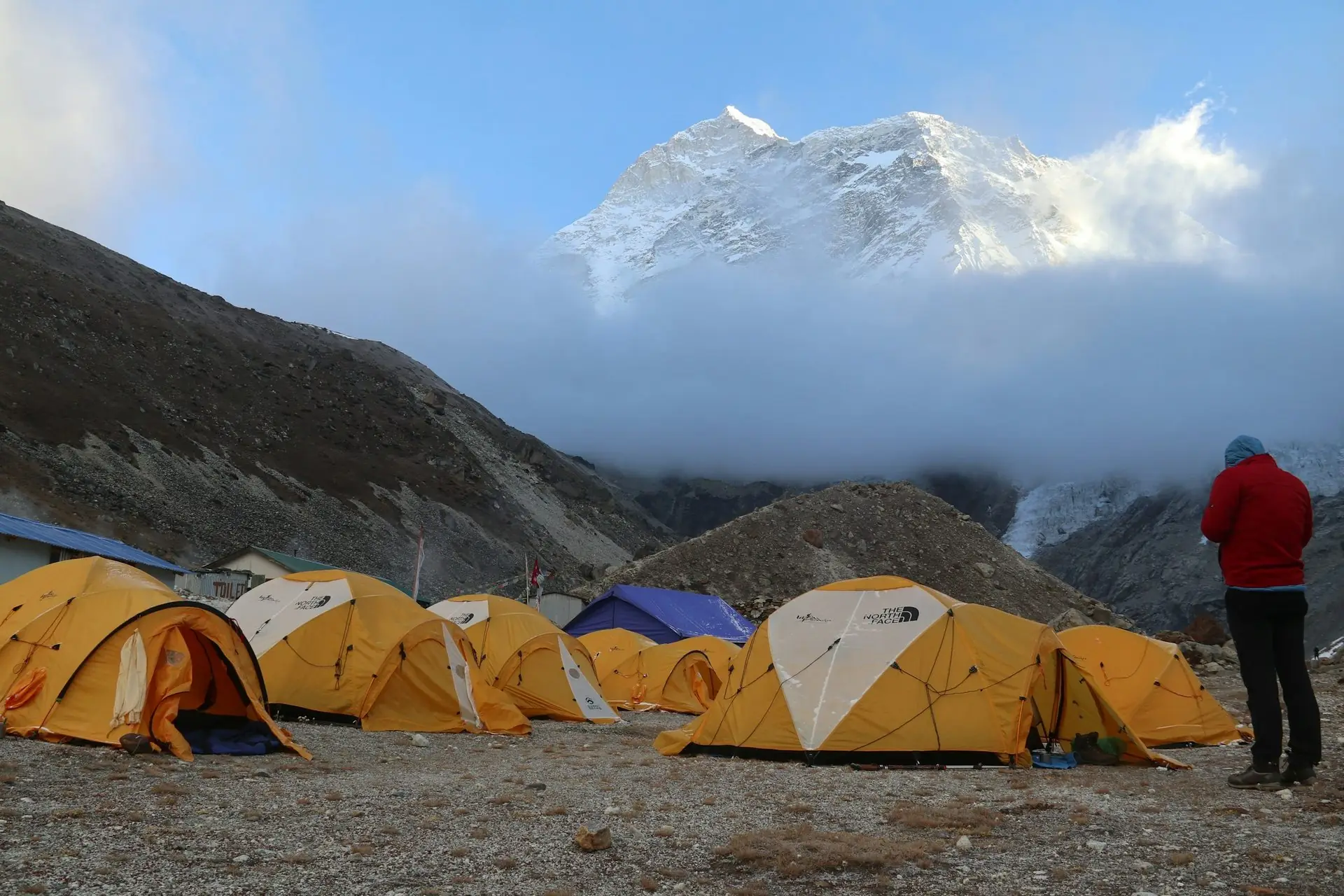
Standard teahouse accommodation along the EBC route is basic by design, twin rooms with shared bathroom facilities, thin walls, and minimal heating beyond the communal dining room stove in the evening. That's simply the nature of building and running lodges at 3,000 to 5,000 metres, and it's genuinely part of the experience most trekkers come to appreciate rather than resent.
Where packages diverge more meaningfully is in Kathmandu, before and after the trek. We use 4-star or 5-star hotels in Kathmandu depending on availability, because after ten or twelve days on the trail, a genuinely comfortable bed and a proper hot shower matter more than most people expect going in, and it's a small but real way we look after guests at the two ends of a demanding trip. Budget packages often default to the cheapest available guesthouse in Kathmandu to keep headline pricing low, a detail that rarely shows up clearly in the listing itself.
For travellers wanting upgraded comfort throughout the trek itself, not just in Kathmandu, our Everest Luxury Lodge Trek option overnights in improved lodges with private bathrooms and better heating along a similar route, at a correspondingly higher price point, for those who want the Everest experience without teahouse basics.

Food and Water Costs on the Trail
Full board meals, breakfast, lunch, and dinner, are included in any properly built package, typically featuring dal bhat, noodle dishes, soups, and simple breakfast options at every teahouse stop. What's usually excluded, and worth budgeting separately, is bottled or treated drinking water, which becomes progressively more expensive the higher you climb, often reaching USD 3 to 5 per litre near Base Camp itself. Carrying a proper water purification method, tablets, a filter, or a UV steriliser, is a small investment that pays for itself within a few days on the trail.
What's Never Included: Visa, Insurance, Tips, Personal Gear
Across virtually the entire industry, a few costs sit outside any standard package regardless of operator, and it's worth knowing these upfront rather than discovering them at the airport. Your Nepal visa fee, paid on arrival and ranging from USD 30 to 125 depending on duration, is entirely separate. Travel and rescue insurance, covering high-altitude helicopter evacuation specifically, is never included and is genuinely non-negotiable given the altitude involved on this route. Guide and porter tips, while not legally required, are a well-established customary practice, typically totalling USD 150 to 250 for a trek of this length. And personal trekking gear, from boots to sleeping bags, remains your own responsibility and cost unless you've specifically arranged rental gear through your operator.
Why Nepal Vision Treks Isn't the Cheapest, and Why That's the Point
We're not going to pretend our pricing competes with the cheapest listings you'll find for this trek, because it doesn't, and we'd rather tell you that plainly than have you discover it as an unpleasant surprise partway through comparing quotes. What we will tell you is exactly where that difference goes, because we think it holds up to scrutiny in a way a lot of budget pricing quietly doesn't.
Thirty-four years in this industry has taught us that the trips people remember for the right reasons, and come back to book again, are rarely the ones built around finding the absolute lowest possible price. They're the ones where nothing felt cut short, where the guide clearly knew the mountain and genuinely cared whether you made it up and down safely, and where the whole experience felt considered rather than assembled from the cheapest available components.
Fair Wages for Guides and Porters: The Real Cost Behind a "Cheap" Trek
We've said this above but it's worth restating directly, because it's the single biggest thing separating our pricing from the bottom of the market. Paying guides and porters fairly, with proper insurance, is not an optional extra we add on top of a base price. It's built into the foundation of how we run every trek, because we genuinely don't think there's an ethical way to run a trekking company that treats the wages of the people doing the hardest work as the easiest place to cut costs.
Decades of Guiding Experience: What That Actually Buys You on the Mountain
Operating since the early 1990s, our legacy is built on an exceptional trail team. Every guide brings over 15 years of experience on these specific routes, essential knowledge that makes all the difference when things don't go to plan. Recognising early, subtle signs of altitude sickness before they become dangerous. Reading a changing weather pattern before it becomes a genuine problem. Knowing which teahouse along a given stretch will actually have the room, the food, and the warmth your group needs on a specific night, rather than simply the nearest available option. That kind of judgement isn't something a guide picks up in a season or two. It's built over years of walking the same trails through every possible condition, and it's the difference between a guide who follows a script and one who's genuinely equipped to keep you safe when something unexpected happens.
4-Star and 5-Star Kathmandu Hotels: Comfort Before and After the Trek
After ten or twelve demanding days on the trail, arriving back to a properly comfortable hotel room in Kathmandu, rather than the cheapest available guesthouse, tends to matter far more to guests than they anticipated before the trip began. We book 4-star or 5-star accommodation in Kathmandu depending on availability at the time of your trip, because we think the bookends of a trek this demanding deserve real comfort, not just a place to sleep before your flight home.
Sustainability in Practice: How Responsible Trekking Affects Cost
Sustainable practice on a route like this isn't an abstract marketing claim, it shows up in specific operational choices that carry real costs. Supporting locally run teahouses rather than routing business through operator-owned lodges that undercut the Sherpa and local families who've run these guesthouses for generations. Managing waste properly along a trail that sees genuine environmental pressure from decades of trekking traffic. Employing guides and porters from the communities these trails pass through, rather than treating local labour as an interchangeable, disposable cost line. None of this is free, and we think it's worth paying for.
34 Years on the Trail: What Three Decades of Experience Means for Your Safety
We've been running treks through this exact region since long before Everest Base Camp became the bucket-list name it is today, through changing government regulations, evolving safety standards, and genuine emergencies that tested whether an operator's systems actually work when it matters. That history isn't just a nice detail for an About page. It means we've built real relationships with teahouse owners, local rescue services, and the guiding community across the Khumbu that a newer or purely budget-focused operator simply hasn't had the time to develop, and those relationships matter considerably more than they might seem to from the outside when something genuinely goes wrong at altitude.
Budget EBC Package vs Bespoke Private Trek: What You Actually Get for the Difference
Factor | Typical Budget Package | Nepal Vision Treks Bespoke Package |
| Guide experience | Variable, sometimes unlicensed | Minimum 15 years, licensed, insured |
| Guide and porter wages | Often below fair industry standard | Fairly paid and insured as standard |
| Kathmandu accommodation | Budget guesthouse | 4-star or 5-star, subject to availability |
| Group structure | Fixed group join, larger numbers | Private departures built around you |
| Itinerary flexibility | Rigid, fixed dates and pace | Tailored to your fitness, timeframe and interests |
| Acclimatisation days | Sometimes cut to shorten trip | Properly built in, non-negotiable |
| Sustainability practice | Rarely specified | Core to how we operate |
| Rescue and safety relationships | Unclear or untested | 34 years of established local relationships |
The Hidden Cost of the Cheapest Trek: Underpaid Guides, Cut Corners and Real Risk
It's worth being direct about this rather than dancing around it. When a package is priced well below what fair guide wages, proper insurance, and genuine safety margins can realistically support, something in that equation has been cut, and it's rarely visible from the listing itself. Sometimes it's guide experience. Sometimes it's insurance coverage for the staff carrying your bags at altitude. Sometimes it's the acclimatisation days that exist specifically to protect you from altitude sickness. None of these show up as a line item you can compare directly, which is precisely why they're the corners that get cut first.
Private Departure vs Group Join: Cost Difference and Why It's Worth It
A private departure costs more per person than joining a larger fixed group, and for a trip of this scale and significance, we think that difference is genuinely worth paying. You set your own daily pace rather than matching a group's average fitness level. You choose your own departure date rather than working around someone else's fixed schedule. And your guide's full attention is on your group specifically, rather than divided across a larger number of trekkers with varying needs and paces.

How Much Should You Realistically Budget for Everest Base Camp in 2027
Once permits, flights, a fairly paid guide, teahouse accommodation, and Kathmandu hotel nights are properly accounted for, a genuinely well-run standard EBC package realistically starts around USD 1,800 to 2,000 per person for a 14-day itinerary, with our own standard package priced from USD 1,895. For travellers wanting upgraded comfort throughout the trek itself via private lodges rather than standard teahouses, our Everest Luxury Lodge Trek starts from USD 3,880. Add roughly USD 300 to 500 on top of any package price for insurance, tips, visa fees, and personal trail expenses like bottled water and device charging, and you'll have a realistic total trip budget rather than an unpleasant series of surprises once you're already committed.
Everest Base Camp Trek Cost Calculator: Estimate Your Total Trip Spend
A rough working formula: package cost, plus USD 100 to 250 for travel and rescue insurance, plus USD 150 to 250 for guide and porter tips, plus USD 30 to 125 for your visa, plus USD 100 to 200 for personal and incidental trail expenses, plus whatever you'd like to budget for gear you don't already own. For our standard 14-day package, that puts a realistic all-in total somewhere between USD 2,200 and 2,500 per person, a figure that reflects the actual cost of doing this trip properly rather than the headline number alone.
Best Time to Book for the Best Value (Not Just the Lowest Price)
Booking three to four months ahead of your preferred spring or autumn departure window generally secures the best combination of availability and value, since last-minute bookings during peak season often mean paying premium rates for whatever guide and accommodation availability remains, rather than choosing from genuine options. Value here means something different from simply the lowest number you can find, it means locking in a properly experienced guide, comfortable Kathmandu accommodation, and an itinerary built around your actual needs, rather than whatever's left over once the well-planned bookings are already taken.
Why Choose Nepal Vision Treks for Your Everest Base Camp Trek
We've spent 34 years building this company around a simple belief: that a trek to Everest Base Camp should be genuinely memorable for the right reasons, not remembered as the trip where the guide seemed out of his depth, the itinerary felt rushed, or you found out halfway through that something important had been quietly left out of the price. Every guide on our team brings at least 15 years of experience on these exact trails. Every guide and porter is paid fairly and insured properly, because we don't believe there's an honest way to run this business otherwise. And every trek is built as a private, tailored experience around your dates, your pace, and what you actually want from the trip, rather than assembled from the cheapest available components and sold as a fixed departure.
Our pricing sits above the bottom of the market, and we'd rather you know exactly why than wonder about it later. If you're ready to talk through what a properly run, fairly guided Everest Base Camp trek actually looks like in 2027, we'd genuinely like to hear from you.
Call or WhatsApp us at +977 9802342081, email [email protected], or visit our office on Dabali Marg. Thirty-four years in, we're still the company we started out being, and we think that's exactly why it's worth trekking with us.

Frequently Asked Questions