




Mardi Himal Trek: The Complete Guide to Your Next Annapurna Destination
 Nepal Vision Treks
 Sep 20, 2026
 17 Min Read
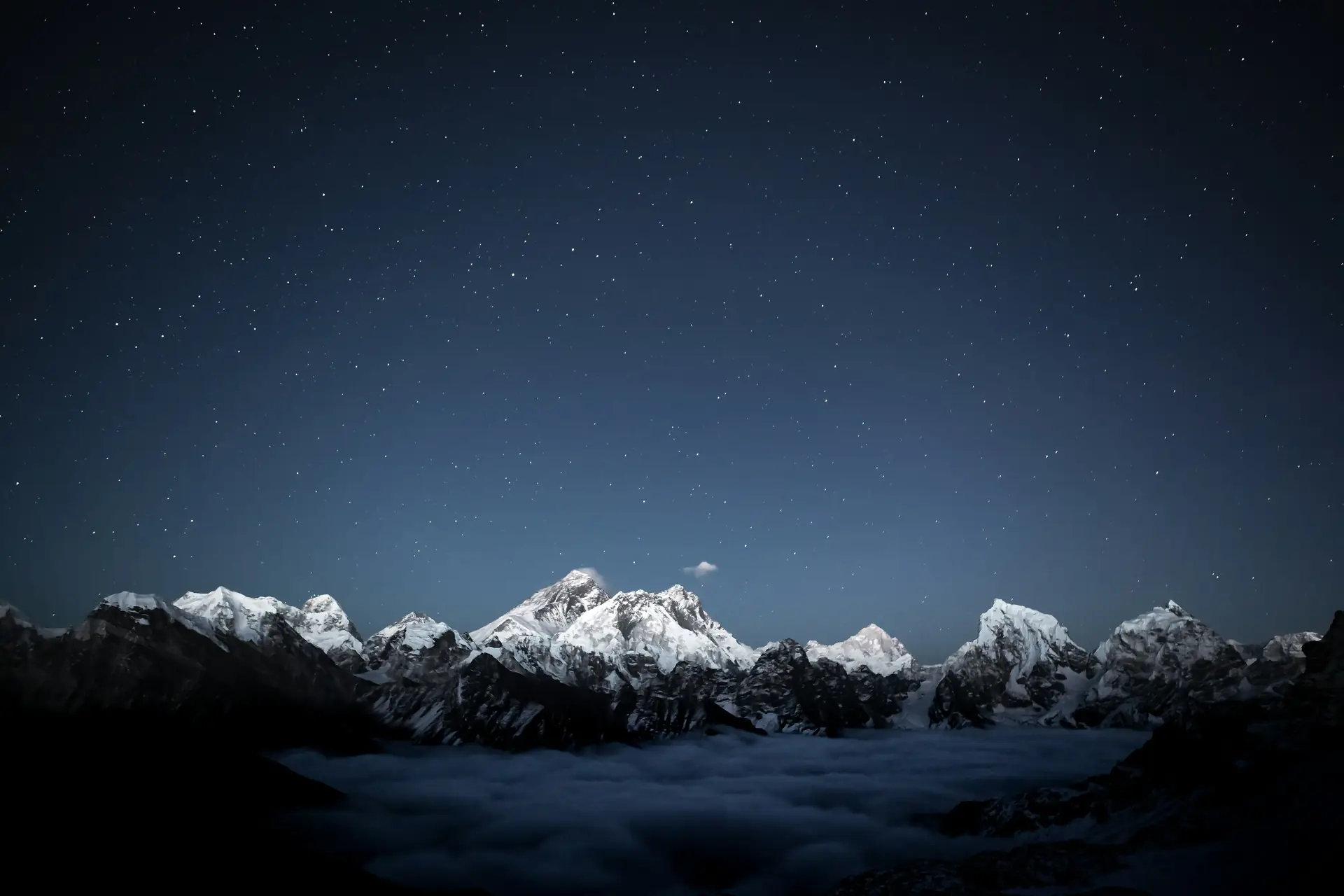
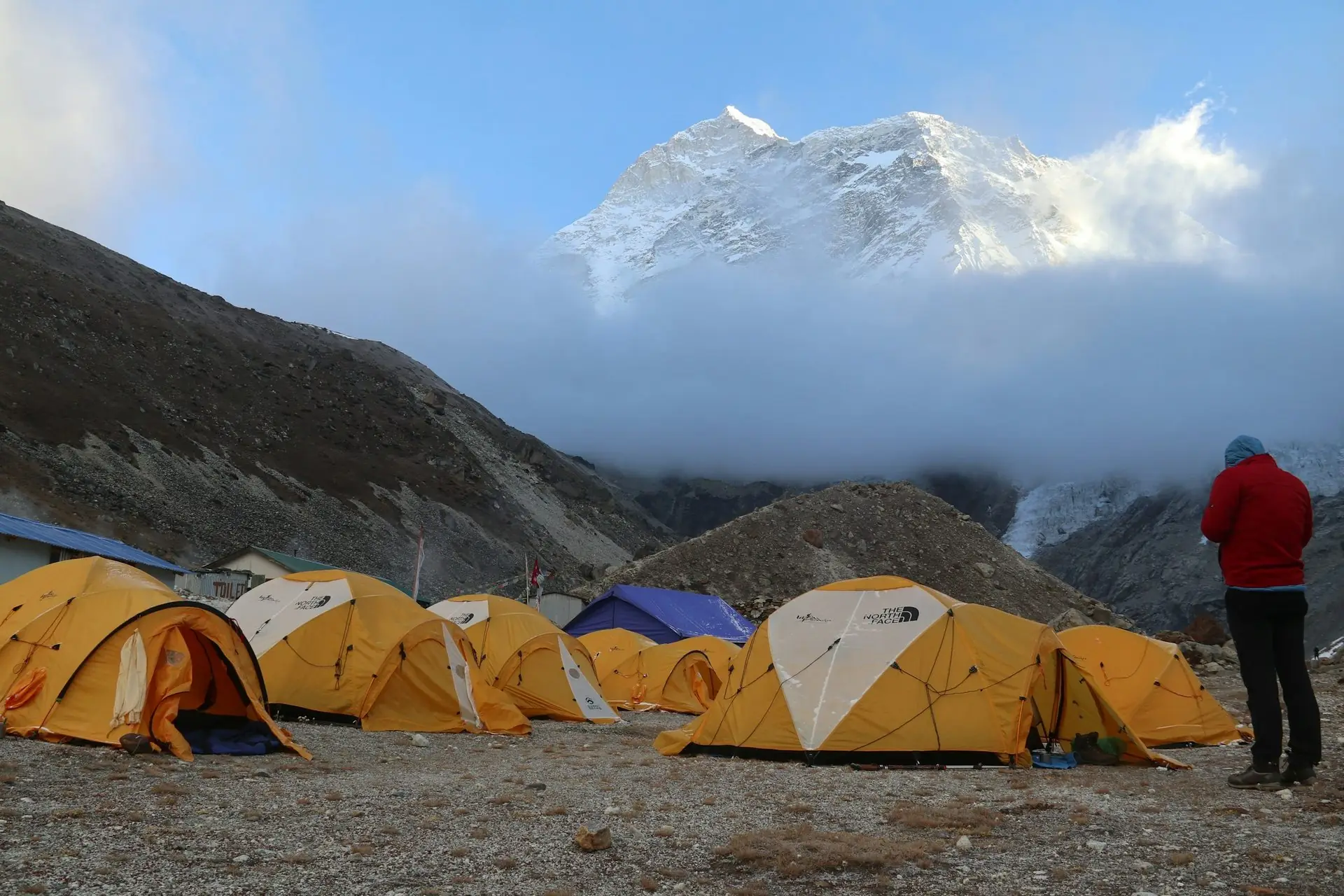
There's a moment on the ridge above High Camp, usually somewhere around dawn, when the cloud cover that's been sitting in the valley all night suddenly drops away, and Machhapuchhre appears close enough that you instinctively lower your voice, as if talking too loudly might disturb it. We've watched guests have that exact reaction more times than we can count, and it never seems to lose its effect, even on guides who've walked this trail a hundred times over.
Mardi Himal has become one of our favourite treks to send people on precisely because it still feels like a discovery rather than a checklist item. Most first-time visitors to Nepal have heard of Everest Base Camp and Annapurna Base Camp before they've even booked their flights. Almost nobody has heard of Mardi Himal until a guide, a friend who's already been, or an article like this one puts it on their radar, and by then it's usually too late, they're already looking up flights to Pokhara.
This guide walks through our full 12-day Mardi Himal Trek package in proper depth: the day-by-day route from Hyangja to Base Camp and back, what the trail actually feels like underfoot, difficulty, permits, cost, best season, and everything else you'd want to know before committing to what might genuinely be the best short trek in the entire Annapurna region.
What Is the Mardi Himal Trek
The Mardi Himal Trek is a moderate-difficulty trek in Nepal's Annapurna region that climbs from the hills above Pokhara, through Dhampus and increasingly dense rhododendron forest, to Mardi Himal Base Camp at 4,500 metres, sitting almost literally in the lap of Mardi Himal and Machhapuchhre. Our 12-day package structures this at a comfortable pace, building in genuine acclimatisation time and space to actually enjoy the trail rather than rushing through it, which matters more here than people expect given how quickly this route gains altitude compared with its total distance.
What makes Mardi Himal genuinely different from its more famous neighbours isn't just the lower crowd numbers, though that's real and worth valuing on its own. It's that the trail was only opened relatively recently, carved largely from old shepherd and herding paths, which means the villages along the way haven't had decades of tourism to reshape them the way Ghorepani or Chhomrong have. Walking through Dhampus and the smaller settlements en route still feels like passing through working Gurung and Magar communities, not a trail built around visitors.
Feature Table
Feature | Details |
| Trek duration | 12 days (Kathmandu to Kathmandu) |
| Max altitude | 4,500m, Mardi Himal Base Camp |
| Starting point | Hyangja, 30 minutes from Pokhara |
| Difficulty | Moderate, suitable for beginners and families |
| Best season | March-May (spring) and September-November (autumn) |
| Permits required | TIMS card, Annapurna Conservation Area Permit (ACAP) |
| Guide requirement | Mandatory, registered guide required for all international trekkers |
| Accommodation | Teahouses run by local Gurung and Magar families |
| Key peaks visible | Machhapuchhre (6,993m), Mardi Himal (5,587m), Annapurna South (7,219m), Hiunchuli (6,441m) |
| Return route options | Same route or via Siding village |
| Best for | Beginners, families, couples, photographers, time-limited trekkers |
\
Why Mardi Himal Is Worth Choosing Over the Bigger Names
We get asked constantly why we recommend this trek so often when Everest Base Camp and Annapurna Base Camp have the bigger reputations, and the honest answer is that reputation and experience aren't the same thing. Annapurna Base Camp is genuinely spectacular, and we sell that package plenty too, but during peak autumn weeks the trail and teahouses fill up in a way that changes the character of the trip. Everest Base Camp demands two weeks minimum and a level of altitude commitment that isn't right for everyone.
Mardi Himal splits the difference in a way that surprises people once they've actually done it. You get a genuine base camp arrival at a respectable 4,500 metres, close-up views of a named, recognisable peak that rivals anything you'd see on the bigger routes, and you get it while sharing the trail with a fraction of the trekkers. On a quiet weekday departure, it's entirely possible to walk for an hour or more without seeing another group, which is close to unheard of on Annapurna's more established circuits.
The Complete 12-Day Mardi Himal Trek Itinerary
Day 1: Arrival in Kathmandu
Your journey begins with arrival into Kathmandu, where we handle your airport pickup and get you settled before the trip properly begins. If you're arriving from a longer international flight, this day is intentionally light, giving you time to adjust before Kathmandu sightseeing and the flight or drive to Pokhara that follows.
Day 2: Kathmandu Sightseeing
A guided tour through Kathmandu Valley's most significant heritage sites, typically including Pashupatinath, Swayambhunath, and Kathmandu Durbar Square, gives you cultural context before heading into the mountains. This is also a genuinely useful day for final gear checks and any last-minute purchases from Kathmandu's trekking gear shops, which tend to have better selection than what you'll find in Pokhara.
Day 3: Drive or Fly to Pokhara
Whether you choose the scenic drive along the Prithvi Highway or the short domestic flight, arriving in Pokhara for the first time tends to shift the whole trip's mood. The lakeside setting, with Annapurna's peaks visible across Phewa Lake on a clear day, is a proper introduction to what the coming days will look like up close.
Day 4: Drive to Hyangja and Trek to Dhampus
This is where the actual trekking begins. A short 30-minute drive from Pokhara brings you to Hyangja, the trailhead for the route. From here, the trail climbs through terraced farmland and small settlements up to Dhampus, a ridge-top Gurung village with genuinely excellent early views of the Annapurna range. Walking time on this first day is moderate, giving your body a gentle introduction to the uphill rhythm that defines most of the trek.
Day 5: Dhampus to Deurali
After lunch in or near Dhampus, the trail continues along stone steps through villages, forest, and terraced farmland toward Deurali, a small settlement perched high on a ridge with excellent, increasingly dramatic views of Annapurna South, Mardi Himal, and Machhapuchhre. This is often the day trekkers first properly register how close the mountains are starting to feel, compared with the more distant views from Pokhara or Dhampus.
Day 6: Deurali to Forest Camp
The trail from Deurali winds through genuinely beautiful woodland, thick with red rhododendron in season, Nepal's national flower and one of the most consistently photographed features of this entire route. The walk is peaceful and increasingly quiet as you climb, arriving eventually at a forest clearing locally known as Kokar, where Forest Camp sits for the night. Wildlife sightings, including langur monkeys and a wide range of birdlife, are common through this stretch.
Day 7: Forest Camp to Low Camp
Continuing through thick forest that gradually thins as altitude increases, the trail brings you to Low Camp, the point where the trek's character noticeably shifts from forested hillside to genuinely alpine terrain. This is usually the first day trekkers notice Machhapuchhre's fishtail summit clearly above the treeline, no longer a distant backdrop but a genuinely present feature of the landscape.
Day 8: Low Camp to High Camp
The climb to High Camp is steeper and more exposed than the previous days, moving through rhododendron scrub into open alpine ground. At 3,580 metres, High Camp is the last teahouse stop before the summit push, and most trekkers use the afternoon here to rest, acclimatise properly, and prepare for an early start the following morning.
Day 9: High Camp to Mardi Himal Base Camp and Return
This is the trek's defining day. An early morning start, usually well before sunrise, takes you up the exposed ridge toward the Mardi Himal viewpoint and onward to Base Camp itself at 4,500 metres. Standing there, with Machhapuchhre rising directly ahead and Mardi Himal itself close enough to feel genuinely present rather than distant, is the payoff for every uphill step over the preceding days. Most itineraries descend the same day back toward Low Camp or partway down, giving your body a head start on the return journey while the summit experience is still fresh.
Day 10: Descend via Siding Village
Rather than retracing the exact ascent route, our itinerary typically brings you down via Siding, a Gurung village that offers a genuinely different perspective on the lower trail and a fresh set of views compared with the path you climbed. This alternate descent is one of the small details that separates a well-designed itinerary from a rushed one, since it gives you two distinct experiences of the region rather than one repeated twice.
Day 11: Return to Pokhara
The final descent brings you back to the trailhead and on to Pokhara, where a proper shower, a real bed, and Phewa Lake's calm waters feel considerably more appreciated after a week on the trail than they would have on day one. We build in time here for rest, or for optional Pokhara activities if you're feeling energetic rather than depleted.
Day 12: Departure
Transfer back to Kathmandu and onward departure, or additional time in Kathmandu if your international flight allows for it. We handle all transfers and logistics so this final day is straightforward rather than stressful.
How Difficult Is the Mardi Himal Trek
We describe Mardi Himal as moderate difficulty, and we mean that specifically rather than as a marketing softener. Daily walking hours generally run four to six hours across most days, rising on the summit push, and while the climb from High Camp to Base Camp is genuinely steep and sustained, it requires no technical climbing skill, ropes, or prior mountaineering experience of any kind.
What makes this trek suitable for beginners and families, which is a claim we don't make lightly, is the combination of manageable daily distances, well-established teahouse infrastructure at every overnight stop, and an itinerary paced specifically to allow proper acclimatisation rather than rushing the altitude gain. That said, "suitable for beginners" doesn't mean "requires no preparation." Anyone starting from a low fitness baseline should build in six to eight weeks of regular walking, ideally with some hill or stair climbing and a loaded daypack, before departure.
Because Mardi Himal gains altitude more quickly relative to its total distance than longer treks like Everest Base Camp, listening to your body on the High Camp to Base Camp day matters more here than the moderate difficulty rating might otherwise suggest.
Permits and the New Guide Requirement
Two permits cover the entire Mardi Himal route. The TIMS card (Trekkers' Information Management System) is required for all trekking in Nepal's regulated regions, and the Annapurna Conservation Area Permit (ACAP) is required since the entire route falls within the Annapurna Conservation Area. Both are arranged for you as part of our package, requiring only a passport copy and passport photos from you in advance.
It's also worth flagging a genuine regulatory shift that's affected this route and others across Nepal in recent years: independent solo trekking without a registered guide is no longer permitted for international trekkers in the Annapurna region, including on Mardi Himal. This isn't a bureaucratic inconvenience so much as a real safety measure, and it means every trekker on this route, whether joining a group or booking privately, travels with a licensed guide as standard. If you were planning to trek Mardi Himal independently based on older information you'd read online, it's worth knowing this has changed, and booking through a registered operator is now the only way to do this trek legally.
Best Season for Mardi Himal Trek
Spring, March to May, and autumn, September to November, remain the two strongest windows for this trek, each offering something genuinely distinct rather than one simply being a lesser version of the other. Spring is when the rhododendron forest sections through Deurali and Forest Camp turn into what genuinely does look like a sea of red and pink blossom, one of the most photographed features of the entire route and a strong reason to time a trip for this window specifically if photography matters to you.
Autumn delivers the clearest air and most reliable mountain visibility of the year, with crisp conditions typically holding from late September through November, making it the stronger choice if unobstructed summit views are your priority over forest colour.
Winter trekking, December to February, remains possible on this route and increasingly popular given Mardi Himal's shorter overall length and lower total altitude gain compared with longer treks, though High Camp and the final ridge can see snow, and proper cold-weather gear becomes essential rather than optional. Monsoon season, June to August, is generally not recommended, since forest sections become slippery, leeches appear at lower elevations, and cloud cover frequently obscures the mountain views that are much of this trek's appeal.
Mardi Himal Trek Cost
Our 12-day package, covering Kathmandu and Pokhara sightseeing alongside the full trekking itinerary, is priced to include everything you actually need: both permits, a registered guide, teahouse accommodation throughout the trek, full board meals while trekking, and all ground transport between Pokhara and the trailhead.
What isn't included, standard across nearly every reputable Nepal trekking package: Nepal visa fees on arrival, travel and rescue insurance, personal expenses like WiFi and hot showers at teahouses, and guide and porter tips, which are customary and worth budgeting separately, typically in the range of USD 8 to 12 per day for a guide.
Porter hire is optional and genuinely worth considering given the steeper sections between Low Camp and High Camp. A porter typically carries 15 to 20 kilograms, letting you trek with just a light daypack rather than your full kit, and the cost is modest relative to the comfort it adds to your days.
Teahouses and What to Expect Along the Way
Accommodation throughout is in teahouses run by local Gurung and Magar families, offering simple twin rooms and shared bathroom facilities that become progressively more basic as you climb toward High Camp, where facilities are simple by necessity given the exposed, high-altitude setting. This is standard across most Nepal teahouse trekking and reflects the practical realities of building and running lodges at altitude, not a shortfall specific to this route.
Meals follow the reliable teahouse standard: dal bhat, the traditional lentil, rice, and vegetable curry combination that most guides will tell you honestly is the best fuel available at altitude, alongside noodle dishes, soups, and simple breakfast options. One of the genuine pleasures of this particular route is that because tourism here is newer and lower volume than on Annapurna's bigger circuits, interactions with teahouse families tend to feel more personal, less transactional, than on routes that have carried decades of foot traffic.
What to Pack for Mardi Himal Trek
Layering matters considerably given the temperature range between the forested lower sections and the exposed, often windy summit ridge. Essential items include a three-season sleeping bag rated to at least minus 10 degrees Celsius for cold nights at High Camp, a waterproof and windproof outer shell, warm mid-layers, broken-in trekking boots, trekking poles for the steeper descents, a headtorch for the pre-dawn summit push, and proper sun protection given how intense high-altitude UV exposure can be even on cooler days.
A water purification method, whether tablets, a filter, or a UV steriliser, is genuinely worth carrying, since bottled water becomes progressively more expensive the higher you climb and generates unnecessary plastic waste along a trail that has, so far, stayed relatively clean. Nepali rupees in cash are essential too, since there are no ATMs beyond Pokhara.
Altitude Sickness and Safety
Because Mardi Himal gains altitude relatively quickly given its short overall length, mild symptoms of acute mountain sickness, headache, nausea, dizziness, or breathlessness, are worth watching for from Low Camp onward. Walking at a steady pace rather than rushing the final ascent, staying properly hydrated with 3 to 4 litres of water daily, avoiding alcohol during the trek, and telling your guide immediately if you feel unwell all matter considerably more on this route than the moderate difficulty rating might suggest at first glance.
The standard guidance holds here as everywhere in the Nepal Himalaya: mild symptoms usually settle with rest and proper hydration, but worsening symptoms, confusion, breathlessness at rest, or loss of coordination are clear signs to descend rather than push forward. Rescue insurance covering high-altitude helicopter evacuation isn't included in standard packages and should be arranged separately before departure, alongside general travel insurance.
A registered guide with wilderness first aid training, now mandatory on this route as covered above, is the single most important safety factor here, particularly given the lower trekker volume compared with Nepal's busier routes, which means fewer other groups around to help in an emergency.
Who This Trek Is Actually Right For
We recommend Mardi Himal most often to first-time trekkers who want a genuine high-altitude achievement without committing two full weeks, families with reasonably fit older children who want real mountain scenery without an exhausting itinerary, couples wanting a quieter, more private trekking experience than the busier Annapurna and Everest routes offer, and photographers specifically drawn to the rhododendron forest sections and close-range Machhapuchhre views that this route delivers better than almost anywhere else in the region.
It's a less natural fit for trekkers specifically chasing the scale and grandeur of standing fully encircled by multiple 8,000-metre peaks, which is genuinely Annapurna Base Camp's particular strength, or for anyone whose primary goal is the specific prestige attached to Everest Base Camp itself.
Frequently Asked Questions
How long is the Mardi Himal Trek?


Is Mardi Himal Trek suitable for beginners?
Do I need a guide for the Mardi Himal Trek?
What permits do I need for Mardi Himal Trek?
When is the best time to trek Mardi Himal?
How much does the Mardi Himal Trek cost?
Can children trek Mardi Himal?
Ready to Discover Nepal's Hidden Gem in Mardi
After more than three decades guiding trekkers through the Annapurna region, Mardi Himal remains one of the routes we recommend most genuinely, not because it's the biggest name, but because it consistently delivers more than people expect from a 12-day trip. Rhododendron forests that turn the light red and gold, a genuine base camp arrival at 4,500 metres, and a trail quiet enough that the mountains still feel like they belong to you rather than a queue of fellow trekkers.
Ready to trek Mardi Himal? Browse our full 12-day Mardi Himal Trek package, or get in touch directly to talk through dates and any questions. Call or WhatsApp us at +977 9802342081, email [email protected], or visit our office on Dabali Marga