



Tibet Travel 2027: Kailash, Everest and Beyond
 Nepal Vision Treks
 Aug 20, 2026
 27 Min Read
Tibet in 2027 is not for the unprepared. If you show up expecting luxury hotels, smooth roads and instant gratification, you will leave disappointed. But if you come ready for a real adventure, one with basic guesthouses, bumpy rides and some of the most stunning landscapes on earth, then you are in for something truly special.
We have organised trips to Tibet more times than we care to count. The one thing that never changes is this: the travellers who enjoy it the most are the ones who understand what they are getting into. This is not a holiday where you can show up with a backpack and a vague sense of adventure. Tibet demands respect, preparation and a willingness to embrace discomfort. The air is thin, the bureaucracy is real and the rewards, whether spiritual, cultural or scenic, are unlike anywhere else.
So why 2027? For starters, the world has settled into a new rhythm after years of disruption. Tibet’s tourism infrastructure is more stable than it has been in a long time, and the permit system, while still strict, is running more smoothly. Demand is high, particularly for Kailash Mansarovar, which means if you are serious about making the pilgrimage, you need to book early. Permits are limited, and the best guides and tour operators fill up fast. Then there is the weather. Spring and autumn are ideal, with clear skies and manageable temperatures, but they are also the busiest times. Book early or risk missing out.
Why Visit Tibet in 2027?
Tibet exists in the imagination long before it becomes a reality. For some, it is the spiritual pull of Mount Kailash, a mountain so sacred that no one has ever summited it. For others, it is the mystique of Lhasa, a city where prayer flags flutter in the wind and monks debate in ancient monasteries. And for a growing number, it is the challenge of Everest Base Camp from the north side, a perspective of the world’s highest peak that feels wilder and more remote than its Nepali counterpart.
But let’s be honest. Tibet is not easy. The roads are rough, the altitude is unforgiving and the logistics can be frustrating. Yet, for those who embrace the challenge, the experience is unmatched. The landscapes are vast and untouched. The culture is deep and authentic. And the sense of adventure is real.
2027 is shaping up to be a good year to visit. The region has stabilised its tourism policies, and the demand for permits is high, particularly for Kailash Mansarovar and Everest Base Camp. If you are planning a trip, start early. Permits take time to process, and the best guides book up quickly. And if you are hoping to combine Nepal and Tibet, the overland routes from Kathmandu to Lhasa are open and running smoothly.
Kailash Mansarovar Yatra: The Sacred Pilgrimage
Mount Kailash is not just a mountain. For Hindus, Buddhists, Jains and Bon followers, it is the spiritual centre of the universe. And for trekkers, it is one of the most challenging and rewarding pilgrimages you can make.
The Kailash Mansarovar Yatra involves a 52 kilometre circumambulation, or kora, around the mountain, as well as a visit to the nearby Lake Mansarovar. This is a physically demanding journey. The highest point on the kora, Dolma La Pass, sits at 5,630 metres. The air is thin, the days are long and the nights are cold. But the experience is unforgettable.
In 2027, the best months for the Yatra are May, June and September. May and June offer the most stable weather, with clear skies and manageable temperatures. September is quieter, with fewer pilgrims, but the temperatures can drop below freezing at night. The full moon dates in these months are particularly significant for many travellers, so if you are planning to join a group, check the lunar calendar and book accordingly.
The Yatra typically takes 14 to 21 days, depending on the route. The most common itinerary starts from Kathmandu, crosses the border into Tibet at Kyirong and includes stops at Darchen, the base for the Kailash kora, and Lake Mansarovar. Accommodation is basic, with guesthouses and tents being the norm. Food is simple but filling: think dal bhat, noodles and Tibetan bread. And yes, the butter tea is an acquired taste. Some love it, some cannot stand it. Try it once, then decide if you are brave enough for a second cup.
One thing worth planning for is altitude. Most travellers will spend a few days in Lhasa or Shigatse to acclimatise before heading to higher elevations. The drive from Lhasa to Darchen takes two to three days, with stops at Yamdrok Lake and Gyantse to help with adjustment. And do not underestimate the physical demand. While the Kailash kora itself is not technically difficult, the combination of high altitude, long walking days and cold nights can be challenging. Trekkers often find that hiring a yak or porter for their gear makes the journey significantly easier.
A common mistake is treating the early days like a normal hiking holiday. You feel strong around Darchen, so it is tempting to walk faster. Later, that same pace can catch up with you. The key is to take it slow, stay hydrated and listen to your body. And if you start to feel the effects of altitude sickness, descend immediately. There is no shame in it, and it could save your life.

Everest Base Camp from the Tibetan Side: A Different Perspective
The Everest Base Camp in Tibet offers a perspective of the world’s highest peak that is wilder and more remote than its Nepali counterpart. At 5,200 metres, it is 100 metres higher than the Nepali base camp, and the views of Everest’s north face are spectacular. The trek is also less crowded than in Nepal, and the route can be completed in eight to ten days from Lhasa, making it a good option for those short on time.
The journey typically begins with a flight or train to Lhasa, followed by two days of acclimatisation and a four day overland drive to Rongbuk Monastery, the starting point for the trek. From there, it is a two day hike to base camp and back. The best time to visit in 2027 is April to early June or September to October, when the weather is most stable.
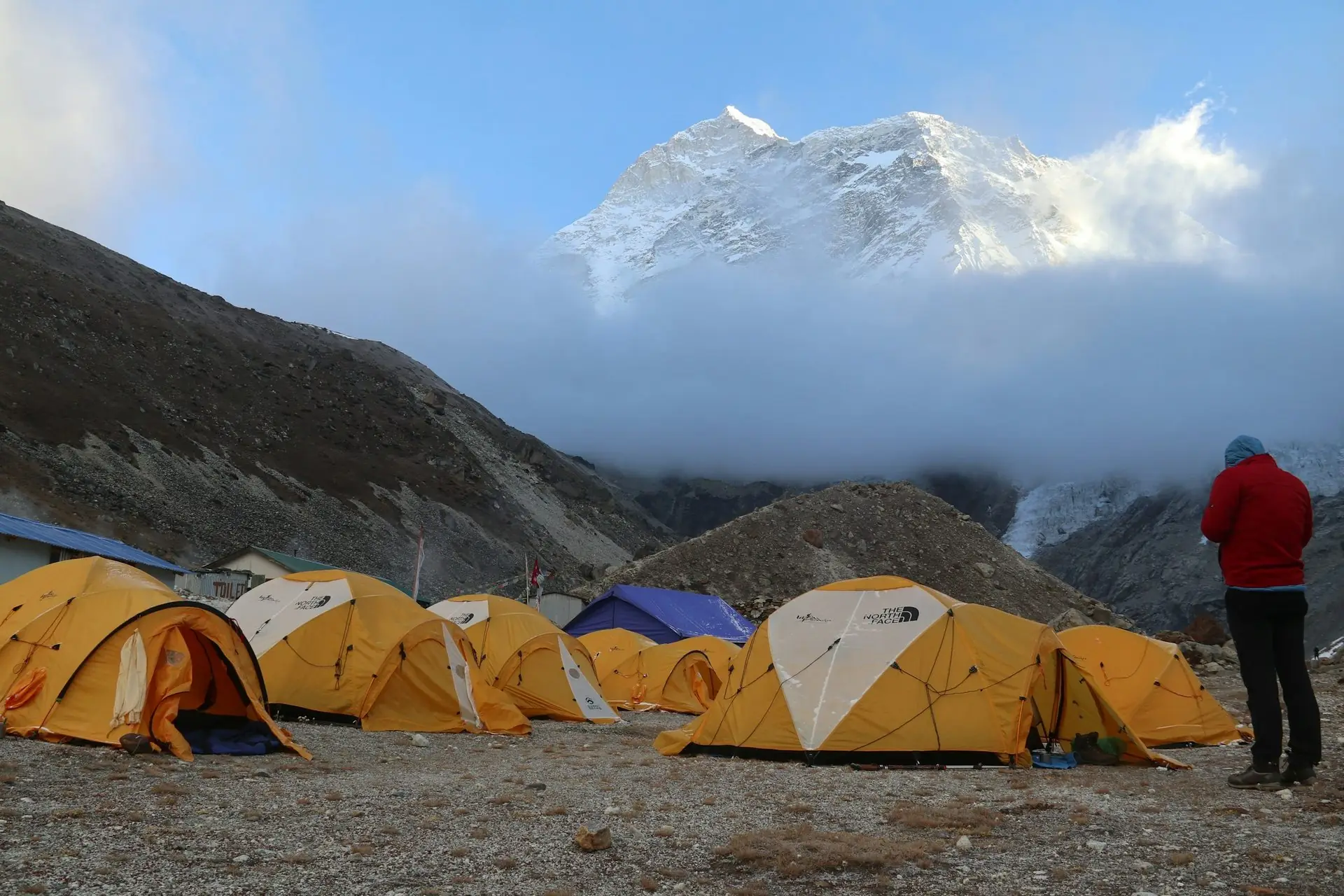
Accommodation at Everest Base Camp is basic, with guesthouses or tents. The facilities are rudimentary. There are no showers at base camp, and toilets are shared pit latrines. Meals are simple but hearty, with options like thukpa, momos and rice dishes. And if you are a vegetarian, do not expect a wide variety of options. Eggs, potatoes and noodles will be your staple.
For most first time trekkers, the biggest challenge is the altitude. The drive from Lhasa to Rongbuk crosses several high passes, including the Gyatso La Pass at 5,200 metres. Proper acclimatisation is essential. And do not be fooled by the relatively short trekking distance. The thin air makes every step feel harder, and the weather can change quickly. Sudden snowstorms and high winds are not uncommon, so be prepared for delays.
Another thing to consider is the road. The drive from Lhasa to Rongbuk is long and bumpy, with dust, potholes and occasional landslides. It is not a journey for those who dislike long drives, but the views are unforgettable. And if you are prone to motion sickness, bring tablets. You will need them.
Lhasa: The Heart of Tibet
No trip to Tibet is complete without spending time in Lhasa, the spiritual and cultural heart of the region. The city is a mix of ancient tradition and modern development, where prayer flags flutter in the wind and monks debate in centuries old monasteries.
The Potala Palace, the former residence of the Dalai Lama, is the most iconic landmark. It is now a museum and a UNESCO World Heritage Site, and it dominates the skyline. The Jokhang Temple, in the centre of Lhasa’s old city, is the most sacred temple in Tibet. And the Barkhor Street, a bustling pilgrimage circuit and marketplace, is the perfect place to pick up souvenirs like thangkas and prayer beads.
But Lhasa is more than just its monuments. It is a city of contrasts, where the old and the new coexist. The streets are filled with pilgrims, monks and locals going about their daily lives. The air is thick with the scent of incense and the sound of prayer wheels. And the food is a mix of Tibetan and Chinese influences, with dishes like thukpa, momos and yak meat.
In 2027, Lhasa will host several Tibetan festivals, including Losar, the Tibetan New Year, likely in February or March, and the Shoton Festival in August, which features Tibetan opera performances. If you are planning to visit during one of these festivals, book early. Accommodation fills up fast, and the city can get crowded.

Overland Adventures from Nepal: The Road Less Travelled
For travellers looking to combine Nepal and Tibet, overland routes offer a unique way to experience both countries. The most popular entry point is the Kyirong Border, which connects Kathmandu to Lhasa. This route is scenic, passing through rural villages, high mountain passes and turquoise lakes like Pekutso Lake.
The Kathmandu to Lhasa overland tour typically takes seven to ten days, with stops in Nyalam, Old Tingri and Shigatse. This is a great way to acclimatise gradually while enjoying the changing landscapes. Many travellers combine this with a Kailash Mansarovar Yatra or Everest Base Camp trek to create a longer, multi destination itinerary.
Transport on these routes is usually by 4x4 jeep or minibus, and the roads can be rough. Dust, bumps and occasional landslides are part of the journey, especially in the monsoon season. It is not a journey for those who dislike long drives, but the views are worth it.
And if you are prone to altitude sickness, the overland route is strongly recommended. The gradual ascent gives your body time to adjust, which can make a big difference when you reach higher elevations.
Planning Your 2027 Tibet Trip
Best Time to Visit Tibet in 2027
Tibet’s climate is harsh and variable, with thin air, strong winds and extreme temperature swings between day and night. The best times to visit are during the spring and autumn months.
Spring, from April to June, offers clear skies and blooming wildflowers, making it ideal for Kailash and Everest. The temperatures are mild during the day, but the nights can still be cold, especially at higher elevations. This is also the busiest time of year, so expect crowds at popular sites and higher prices for accommodation and permits.
Autumn, from September to October, is another excellent time to visit. The weather is stable, and the skies are clear, making it perfect for trekking and cultural tours. The temperatures are cooler, and the crowds are smaller than in spring. However, be prepared for the possibility of snow at higher elevations, particularly in late October.
Summer, from July to August, is warmer but also the monsoon season. Rain can make the roads treacherous, and many trekking routes may be closed due to landslides. On the plus side, the landscapes are lush and green, and there are fewer tourists.
Winter, from November to March, is the quietest time to visit. The crowds are small, and the prices are lower. But the temperatures are extremely cold, and many attractions are closed. If you are planning a winter trip, be prepared for sub zero temperatures and limited services.
For Kailash Mansarovar, May and June are the most popular months. The weather is stable, the skies are clear and the temperatures are manageable. But it is also the busiest time of year, so book early. September is a good alternative, with fewer crowds but cooler temperatures.
For Everest Base Camp, April to early June or September to October are ideal. The weather is most stable during these months, and the views are spectacular.
For cultural tours, September and October offer the best balance of weather and accessibility.
Feature | Key Details | Best Time to Visit | Difficulty | Cost (2027) | Critical Tips |
| Kailash Mansarovar Yatra | 52 km sacred circumambulation around Mount Kailash (6,638 m) and visit to Lake Mansarovar. Requires permits and guided tour. | May–June, September | Moderate to High (altitude, long walking days) | USD 2,000–3,500 (group tour) | Book early; permits take 10–15 days. Acclimatise in Lhasa first. |
| Everest Base Camp (Tibet) | 5,200 m base camp with north face views of Everest. Less crowded than Nepal’s EBC. | April–June, September–October | Moderate (altitude, cold) | USD 1,500–3,000 | Gradual ascent essential. No showers at base camp; basic facilities. |
| Tibet Travel Permits | Mandatory: Chinese Visa + Tibet Travel Permit + Alien’s Travel Permit + Military Permit (for Kailash). | Year-round | N/A | USD 50–150 (permits) | Must be arranged via a licensed agency. Solo travel not allowed. |
| Lhasa Cultural Highlights | Potala Palace, Jokhang Temple, Barkhor Street, Sera/Drepung Monasteries. | Year-round (best: March–October) | Easy | USD 800–1,500 | Spend 2–3 days acclimatising. Respect local customs (clockwise circumambulation). |
| Altitude and Health | Lhasa: 3,650 m; Kailash: 5,638 m; EBC: 5,200 m. AMS (Acute Mountain Sickness) is common. | N/A | N/A | N/A | Hydrate (3–4L/day). Ascend slowly (<500 m/day). Carry Diamox and oxygen if prone to AMS. |
Permits and Visa Requirements
Tibet is not an independent country, and travel is heavily regulated. All foreign travellers must obtain several permits to enter and travel within Tibet.
First, you will need a Chinese Visa, which can be obtained from the Chinese Embassy or Consulate in your home country. This is a standard tourist visa, but you will need to specify that you are travelling to Tibet.
Next, you will need a Tibet Travel Permit, which is issued by the Tibet Tourism Bureau in Lhasa. This permit is required for all foreign travellers and must be arranged through a licensed Tibetan travel agency. You cannot apply for it independently.
For travel outside Lhasa, including to Everest Base Camp, Kailash or Shigatse, you will also need an Alien’s Travel Permit. This permit is arranged by your tour agency and is typically included in the cost of your tour.
If you are planning to visit restricted areas like Mount Kailash or parts of Ngari Prefecture, you will also need a Military Permit. Again, this must be arranged through your tour agency.
Processing time for permits is typically ten to fifteen days, so apply at least one month in advance. And remember, your passport must be valid for at least six months beyond your intended stay.
It is also important to note that solo travel is not allowed in Tibet. You must be part of a guided tour group, with a minimum of two people. So if you were thinking of going it alone, think again.
For the most current information on permits and visa requirements, check the Tibet Tourism Bureau or the Chinese Embassy website before applying.
Getting to Tibet from Nepal
Most travellers enter Tibet from Nepal, either by air or overland.
By air, the most common route is from Kathmandu to Lhasa, with daily flights operated by China Southern, Air China and Sichuan Airlines. The flight takes approximately one and a half hours and offers stunning views of the Himalayas. The cost is around 200 to 400 US dollars one way, depending on the time of year.
The main advantage of flying is speed. You can be in Lhasa in a matter of hours, which is great if you are short on time. However, there is a downside. Flying directly to Lhasa means you do not have time to acclimatise gradually, which can increase the risk of altitude sickness. If you choose to fly, spend at least two to three days in Lhasa before heading to higher elevations.
By land, the most common route is from Kathmandu to Lhasa via the Kyirong Border. This route is scenic, passing through rural villages, high mountain passes and turquoise lakes. The journey typically takes seven to ten days, with stops for acclimatisation and sightseeing.
The border crossing at Rasuwa/Gyirong Port has reopened after earthquake repairs, and the road conditions have improved in recent years. However, the roads are still rough in places, with dust, bumps and occasional landslides. Transport is usually by 4x4 jeep or minibus, provided by your tour agency.
The main advantage of the overland route is gradual altitude adjustment. The slow ascent gives your body time to acclimatise, which can make a big difference when you reach higher elevations. It is also a great way to see the changing landscapes, from the lush valleys of Nepal to the high plateau of Tibet.
Accommodation in Tibet
Accommodation in Tibet ranges from basic to comfortable, depending on the location.
In Lhasa, you will find a range of hotels, from budget guesthouses to four star options. These offer western style amenities, including hot showers, Wi Fi and restaurants. In Shigatse and other major towns, the accommodation is clean but more basic, with shared bathrooms in budget options.
In more remote areas like Everest Base Camp and Kailash, accommodation is in guesthouses or tents. The facilities are rudimentary. There are no showers at Everest Base Camp, and toilets are shared pit latrines. In Darchen, the base for the Kailash kora, the guesthouses are simple, with no heating in winter and shared facilities.
In the most remote areas, you will stay in tents, provided by your tour agency. These are basic but comfortable, with sleeping bags and mattresses provided. However, there are no facilities, so be prepared for a more rustic experience.
One thing to keep in mind is heating. Many places in Tibet do not have central heating, so bring thermal layers and a sleeping bag liner for colder months. And if you are travelling in winter, be prepared for sub zero temperatures, even indoors.
Electricity is another consideration. Power cuts are common, so carry a power bank for your phone and camera. And if you are planning to use a laptop or other electronics, check if your accommodation has enough outlets.
Wi Fi is available in Lhasa and major towns but is unreliable in remote areas. And if you are planning to use a VPN to access blocked websites, be aware that the Chinese government actively monitors internet use.
Food in Tibet
Tibetan cuisine is hearty and simple, designed to sustain energy in high altitude conditions. Expect plenty of meat, dairy and staple grains.
Tsampa, roasted barley flour mixed with butter tea, is a staple for trekkers. Thukpa, a noodle soup with vegetables or meat, is ideal for cold days. Momos, dumplings filled with meat or vegetables, are a popular snack. And butter tea, a salty, buttery tea made from yak butter, is an acquired taste but great for energy.
Yak meat is another protein rich option, often served dried or stewed. And if you are a vegetarian, do not expect a wide variety of options. Eggs, potatoes and noodles will be your staple.
In Lhasa and other major towns, you will find a range of restaurants, from Tibetan to Chinese to Western. But in more remote areas, the options are limited. And if you are planning a trek, be prepared for simple, repetitive meals.
One thing to keep in mind is hydration. The air in Tibet is dry, and the altitude can dehydrate you quickly. Drink plenty of water, at least three to four litres a day, and avoid alcohol and caffeine, which can worsen dehydration.
And if you are concerned about food safety, stick to cooked meals and avoid raw vegetables, which may be contaminated. Tap water is not safe to drink, so stick to boiled, bottled or purified water.
Altitude and Health Considerations
Altitude is the biggest challenge for most travellers in Tibet. Lhasa sits at 3,650 metres, and many destinations, like Kailash and Everest Base Camp, go much higher. Altitude sickness, or Acute Mountain Sickness (AMS), is a real risk, and it can affect anyone, regardless of fitness or age.
The symptoms of AMS include headache, nausea, dizziness, fatigue and shortness of breath. If you experience any of these symptoms, take them seriously. The best treatment is to descend immediately. Do not try to push through it. Altitude sickness can be life threatening, and the only cure is to go lower.
The best way to prevent AMS is to acclimatise gradually. Spend at least two to three days in Lhasa before heading to higher elevations. And when you do ascend, do not gain more than 300 to 500 metres per day. Stay hydrated, avoid alcohol and caffeine, and consider talking to your doctor about medication like Diamox.
Another thing to keep in mind is the sun. The UV index is extreme at high altitudes, so use SPF 50 plus sunscreen, wear sunglasses with UV 400 protection and cover up with a wide brimmed hat and long sleeves.
And do not forget about the cold. Temperatures can drop below freezing at night, even in summer. Pack thermal layers, gloves, a warm hat and a good quality sleeping bag.
Costs and Budgeting for Tibet in 2027
Tibet is not a budget destination, but costs can vary widely depending on your itinerary and travel style.
The first expense is the Chinese Visa, which costs between 30 and 150 US dollars, depending on your nationality and processing time. Next is the Tibet Travel Permit, which costs between 50 and 150 US dollars and is usually included in the cost of your tour.
Guided tours are mandatory for all foreign travellers, and the cost varies depending on the length of your trip and the level of service. Budget group tours start at around 80 US dollars per day, while private tours can cost 200 US dollars or more. These typically include transport, a guide, permits and sometimes meals and accommodation.
Accommodation costs between 20 and 100 US dollars per night, depending on the location and level of comfort. In Lhasa, you can find mid range hotels for around 50 to 80 US dollars per night. In more remote areas, guesthouses and tents cost between 20 and 50 US dollars per night.
Food costs between 10 and 30 US dollars per day. Meals are often included in the cost of your tour, but if you are travelling independently, budget for three meals a day. And if you are a vegetarian or have dietary restrictions, be prepared to pay a little more for special meals.
Transport costs between 50 and 150 US dollars, depending on whether you fly or take the overland route. Flights from Kathmandu to Lhasa cost around 200 to 400 US dollars one way, while overland transport is usually included in the cost of your tour.
Entrance fees for monasteries, national parks and other attractions cost between 20 and 100 US dollars, depending on the location. And do not forget to budget for tips, souvenirs and unexpected expenses.
So, how much should you budget for a trip to Tibet in 2027? For a 14 day Kailash Mansarovar Yatra, expect to pay between 2,000 and 2,500 US dollars for a budget group tour, 2,500 to 3,500 US dollars for a mid range private tour, and 4,000 US dollars or more for a luxury experience.
Money saving tips include travelling in a group, as permits and transport costs are shared, reducing individual expenses. Booking early can also save you money, as permits and flights may be more expensive if left until the last minute. And avoiding peak season, May and September, can help you save on accommodation and permits.
Practical Tips for Travelling in Tibet
Tibet is a unique destination, and there are a few practical things you should know before you go.
First, cash is king. ATMs are rare outside Lhasa, and credit cards are not widely accepted. Carry enough Chinese Yuan to cover your entire trip, and exchange money in Lhasa or Kathmandu before you head into the remote areas.
Second, connectivity is limited. Mobile networks are available in Lhasa and major towns, but expect no signal in remote areas like Kailash or Everest Base Camp. If you need to stay connected, buy a local SIM card in Lhasa. But be aware that you will need a VPN to access blocked websites like Google, WhatsApp and Facebook.
Third, transport is an adventure in itself. The roads are rough, the drives are long and the vehicles are basic. Motion sickness tablets are a must, and patience is a virtue. Delays are common, whether due to weather, road conditions or bureaucratic hurdles. Build buffer days into your itinerary, and do not expect everything to run on schedule.
Fourth, respect the local culture. Tibet is a deeply religious and traditional society, and it is important to dress and behave appropriately. Avoid shorts or sleeveless tops in monasteries and temples. Always ask permission before photographing locals or monks. And when visiting religious sites, walk clockwise around stupas, prayer wheels and temples, as this is the Tibetan Buddhist tradition.
Fifth, pack smart. The key to packing for Tibet is layers. Temperatures can vary from below freezing at night to 20 degrees Celsius during the day. Pack thermal underwear, a fleece or down jacket, a waterproof and windproof outer layer, gloves, a warm hat and a scarf. And do not forget sunglasses with UV 400 protection and SPF 50 plus sunscreen.
Footwear is also important. Bring sturdy, broken in trekking boots for Kailash or Everest, and comfortable walking shoes for cities. And if you are planning a trek, trekking poles are highly recommended.
Other essentials include a sleeping bag rated for minus 10 degrees Celsius, a headlamp, a reusable water bottle with purification tablets or a filter, and a power bank. And if you are prone to altitude sickness, bring Diamox or other medication recommended by your doctor.
Sample Itineraries for 2027
Classic Kailash Mansarovar Yatra: 14 Days
This itinerary is designed for pilgrims and spiritual seekers who want to complete the sacred kora around Mount Kailash and visit Lake Mansarovar.
The route starts in Kathmandu, where you will meet your guide and finalise your permits. From there, you will drive to the Kyirong Border, cross into Tibet and continue to Saga, where you will spend the first night.
The next day, you will drive to Darchen, the base for the Kailash kora. Along the way, you will stop at Yamdrok Lake, one of the most beautiful lakes in Tibet, and Gyantse, a historic town with a stunning monastery.
In Darchen, you will have a day to rest and prepare for the kora. The next morning, you will begin the 52 kilometre circumambulation, starting with an eight kilometre walk to Yamadwar, the gateway to the kora.
The second day is the most challenging, with a 22 kilometre walk that includes the crossing of Dolma La Pass at 5,630 metres. This is the highest point on the kora, and the views are spectacular. You will spend the night in Zutul Puk, a basic guesthouse with shared facilities.
On the third day, you will complete the kora with a 14 kilometre walk back to Darchen. The next day, you will drive to Lake Mansarovar, where you can perform rituals, take a dip in the sacred waters or simply soak in the views.
After a day at the lake, you will begin the drive back to Kathmandu, with stops in Saga and Kyirong.
This itinerary is physically demanding, but the spiritual rewards are immense. And if you are not up for the full kora, there are shorter options available.
Lhasa and Everest Base Camp: 10 Days
This itinerary is perfect for adventure travellers and photographers who want to experience the best of Tibet in a shorter amount of time.
The trip starts with a flight from Kathmandu to Lhasa, where you will spend two days acclimatising and exploring the city. Highlights include the Potala Palace, Jokhang Temple and Barkhor Street.
From Lhasa, you will drive to Gyantse, stopping at Yamdrok Lake and the Karo La Glacier along the way. In Gyantse, you will visit the Kumbum Stupa, one of the most important religious sites in Tibet.
The next stop is Shigatse, where you will visit the Tashilhunpo Monastery, the seat of the Panchen Lama. From Shigatse, you will drive to Old Tingri, with stops at scenic viewpoints along the way.
The following day, you will drive to Everest Base Camp, stopping at Rongbuk Monastery, the highest monastery in the world. From there, it is a two day hike to base camp and back, with stunning views of Everest’s north face.
After your time at base camp, you will drive back to Shigatse, then to Lhasa, where you will spend your final night before flying back to Kathmandu.
This itinerary offers a mix of cultural and adventure experiences, with plenty of time to acclimatise and enjoy the views.
Nepal and Tibet Combined: 21 Days
This itinerary is for travellers who want the ultimate Himalayan experience, combining the best of Nepal and Tibet.
The trip starts in Kathmandu, where you will spend a day exploring the city before flying to Pokhara. From Pokhara, you will begin the Annapurna Base Camp Trek, a 10 day journey through the stunning Annapurna region.
After completing the trek, you will return to Kathmandu, where you will have a day to rest and prepare for the next leg of your journey. From Kathmandu, you will drive to the Kyirong Border, cross into Tibet and begin the overland journey to Lhasa.
Along the way, you will stop in Saga, Darchen and Lake Mansarovar, completing the Kailash kora and visiting Everest Base Camp. After your time in Tibet, you will return to Kathmandu, where your journey will come to an end.
This itinerary is physically demanding, so ensure you are fit, well acclimatised and prepared for long travel days. But the rewards are immense, with a mix of cultural, spiritual and adventure experiences that you will never forget.
If you are unsure which itinerary fits your schedule or fitness level, Nepal Vision Treks can help you compare routes, trekking seasons and realistic daily distances before you book, reach us out at +977 9802342081 or [email protected]. With 34 years of experience organising treks in Nepal and Tibet, we understand the practical realities of travel in these regions and can ensure your 2027 trip is both safe and unforgettable.