



Langtang Trek 2027: The Complete Guide to the region
 Nepal Vision Treks
 Oct 2, 2026
 13 Min Read
Most first-time visitors to Nepal assume Everest or Annapurna is the only real starting point, and they never stop to ask which Himalayan trail actually sits closest to where they're standing in Kathmandu. The answer is Langtang, a valley you can reach by road in a single day from the capital, no domestic flight, no early morning scramble to a mountain airstrip, just a scenic drive that puts you at the foot of genuine 7,000-metre peaks by the following afternoon.
We've been guiding trekkers through this valley for over three decades, long before it became known internationally through the tragedy of the 2015 earthquake, and long before this year's flood in neighbouring Rasuwa district put the region back in the headlines for reasons that had nothing to do with the trail itself. If you've read our recent piece on Langtang's recovery following the August 2026 flood, you already know the trekking trail was never damaged and the valley remains exactly what it has always been. This guide picks up from there, covering the full 12-day route, what each day actually looks like on the ground, difficulty, cost, permits, and everything else worth knowing before you commit to what we genuinely consider one of the most underrated treks in Nepal.
What Is the Langtang Trek
The Langtang Trek is a moderate-difficulty trek through Langtang National Park, north of Kathmandu, climbing from Syabrubesi through dense forest and traditional Tamang villages to Kyanjin Gompa at 3,870 metres, with glaciated peaks including Langtang Lirung at 7,234 metres visible for much of the route. Unlike Everest or Annapurna, there's no domestic flight involved, the entire trip runs by road from Kathmandu, which makes logistics considerably simpler and removes the flight cancellation risk that affects Lukla-bound Everest treks every season.
What sets Langtang apart isn't just the accessibility. It's the cultural texture of the valley itself. The people here are predominantly Tamang, with a distinct language, dress, and Tibetan Buddhist practice visible throughout the trek in the mani walls, chortens, and prayer flags that line the trail almost the entire way to Kyanjin Gompa. This is a valley where the culture feels as central to the experience as the mountains themselves, which isn't always true of Nepal's busier trekking routes.
Feature | Details |
| Trek duration | 12 days (Kathmandu to Kathmandu) |
| Max altitude | 3,870m at Kyanjin Gompa, up to 4,984m with optional Tserko Ri climb |
| Starting point | Syabrubesi, 7-8 hour drive from Kathmandu |
| Difficulty | Moderate |
| Best season | March-May and September-November |
| Permits required | TIMS card, Langtang National Park entry permit |
| Flight required | None, entire trip runs by road |
| Local culture | Tamang villages, Tibetan Buddhist monasteries and mani walls |
| Key peaks visible | Langtang Lirung (7,234m), Langtang Ri (6,370m), Ganchempo |
| Notable stop | Kyanjin Gompa monastery and yak cheese factory, established 1955 |
| Wildlife | Red pandas, langur monkeys, Himalayan tahr (sightings possible, not guaranteed) |
The Complete 12-Day Langtang Trek Itinerary
Day 1: Arrival in Kathmandu
Your trip begins with arrival at Tribhuvan International Airport, where our representative meets you and transfers you to your hotel. This day is intentionally unhurried, giving you time to settle in before the trip properly begins, particularly useful if you've just come off a long international flight.
Day 2: Kathmandu Sightseeing
A guided day through Kathmandu Valley's UNESCO heritage sites gives you cultural context before heading into the mountains, and it's also a practical day for any last-minute gear needs, since Kathmandu's trekking shops offer considerably more selection than anything you'll find en route to Langtang.
Day 3: Drive from Kathmandu to Syabrubesi
An 8 to 9 hour drive takes you from Kathmandu to Syabrubesi at 1,420 metres, winding through the hills north of the valley along a route that's considerably more scenic than the duration might suggest. This is the region's main gateway town, and the starting point for the trek proper.
Day 4: Trek from Syabrubesi to Lama Hotel
The trail begins here, climbing through forest to Lama Hotel at 2,340 metres over 5 to 6 hours of walking. Despite the name, Lama Hotel isn't a single hotel but a small cluster of teahouses in dense forest, and this stretch is where you're most likely to spot langur monkeys and, with genuine luck, a red panda in the surrounding bamboo and rhododendron.
Day 5: Trek from Lama Hotel to Langtang Village
Continuing for 5 to 6 hours, the trail brings you to Langtang village itself at 3,480 metres, one of the oldest and most authentic settlements on this route. The forest thins progressively as you climb, giving way to more open valley views and your first proper sense of the peaks ahead.
Day 6: Trek from Langtang Village to Kyanjin Gompa
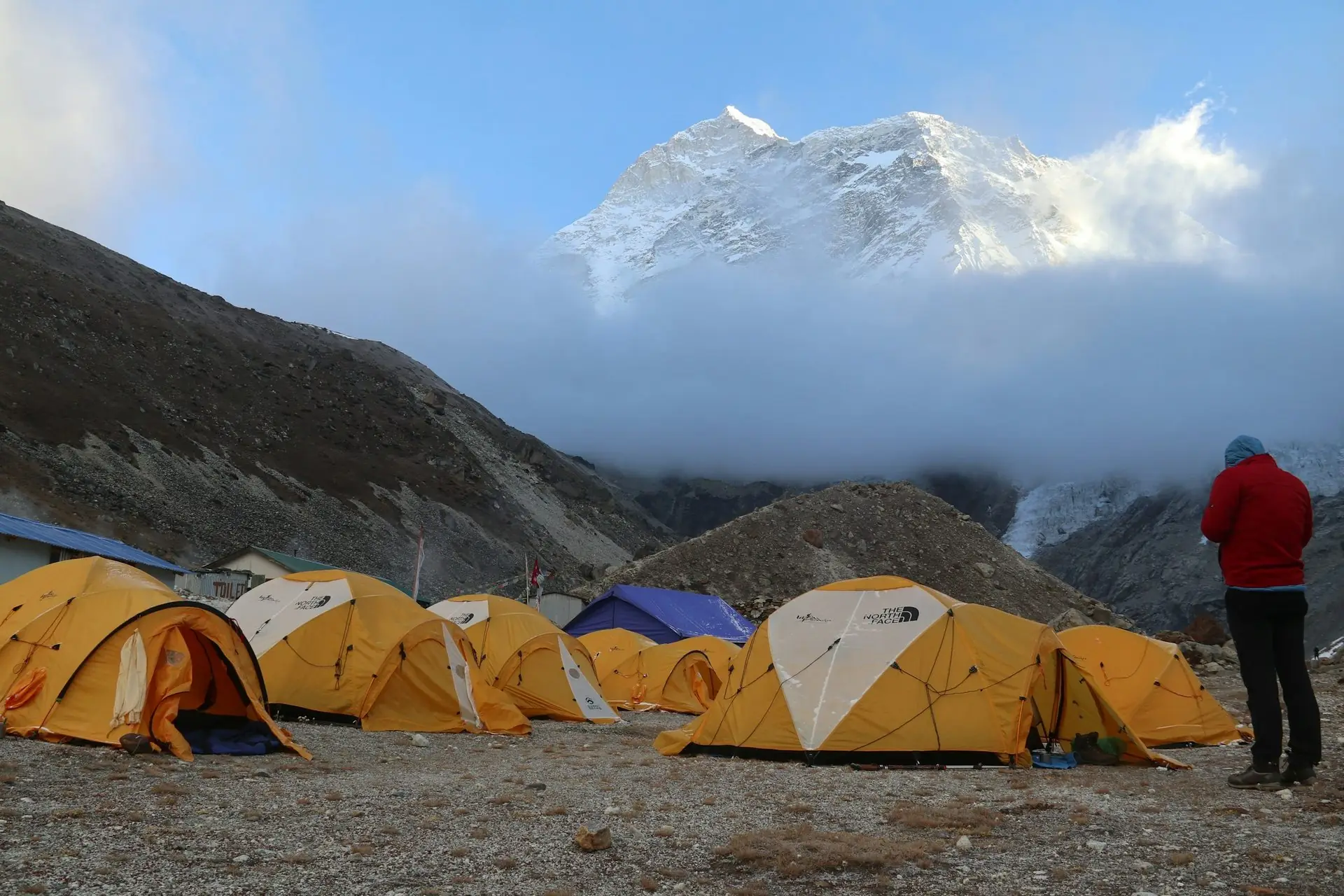
A shorter day, 3 to 4 hours, brings you into the wide Himalayan meadow of the upper valley, with the terrain opening dramatically to reveal Langtang Lirung and neighbouring peaks in full view. Kyanjin Gompa itself, at 3,870 metres, sits in one of the most dramatically situated settings of any teahouse village in Nepal, ringed by glaciers on nearly every side.
Day 7: Exploring Day at Kyanjin Gompa
Rather than a passive rest day, this is a genuinely active exploration day built around your own interests. Most trekkers climb Kyanjin Ri, a nearby viewpoint at around 4,300 to 4,500 metres offering sweeping panoramic views and one of the best sunrise vantage points on the entire route. Others explore the Kyanjin Gompa monastery itself, visit the yak cheese factory established in 1955 with Swiss technical assistance, one of the oldest of its kind in Nepal, or walk out toward the glaciers and Langshisha Kharka for those wanting a longer, more adventurous day. This flexibility is one of the genuine strengths of the itinerary, since it lets you tailor the day to your own energy level and interests rather than following a fixed activity.
Day 8: Trek from Kyanjin Gompa to Lama Hotel
Retracing the route partway, a 6 to 7 hour descent brings you back down through rhododendron forest to Lama Hotel, with the return journey offering a genuinely different perspective on terrain you climbed in the opposite direction days earlier.
Day 9: Trek from Lama Hotel to Thulo Syabru Village
Rather than descending the exact same path back to Syabrubesi, the itinerary branches toward Thulo Syabru at 1,900 metres over 5 to 6 hours, a genuinely worthwhile variation that shows you a different section of the valley and a village with its own distinct character.
Day 10: Trek from Thulo Syabru to Dhunche
A 4 to 5 hour walk brings you to Dhunche at 1,650 metres, the district headquarters and a town that, notably, sits on higher ground above the river corridor affected by the 2026 flood, an important detail if you're travelling before full road repair is confirmed on the direct Syabrubesi route.
Day 11: Drive Back to Kathmandu
The final drive returns you to Kathmandu, with time in the afternoon or evening to rest, reflect on the trip, or handle any last errands before departure.
Day 12: Departure
Transfer to the airport for your onward flight, or additional time in Kathmandu if your schedule allows.
For trekkers wanting to combine Langtang with the sacred alpine lake of Gosaikunda, our extended Langtang Gosaikunda Trek follows a similar structure through day 9, then continues via Sing Gompa to Gosaikunda Lake at 4,380 metres before descending to Dhunche, adding roughly two extra days to the standard itinerary.
How Difficult Is the Langtang Trek
Langtang sits at a moderate difficulty level, broadly comparable to Annapurna Base Camp rather than the more demanding Everest Base Camp or Annapurna Circuit. Daily walking hours generally run four to seven hours, with no technical climbing involved anywhere on the standard route, including the optional Kyanjin Ri climb, which is a strenuous but non-technical ascent.
What makes this trek genuinely approachable for reasonably fit beginners is the itinerary's built-in acclimatisation structure, with the full exploration day at Kyanjin Gompa serving exactly the acclimatisation function that a proper high-altitude itinerary needs, giving your body time to adjust before any optional higher climbs. That said, reaching nearly 3,870 metres by day six is still a genuine altitude gain, and six to eight weeks of fitness preparation beforehand remains worthwhile regardless of the trek's comparatively moderate reputation.
Best Season for Langtang Trek in 2027
March to May and September to November remain the two strongest windows, matching the pattern across most of Nepal's trekking regions. Spring brings rhododendron forest into bloom along the lower sections between Syabrubesi and Lama Hotel, turning entire hillsides red and pink, while also offering better odds of red panda sightings as they become more active in warmer weather. Autumn delivers the clearest mountain visibility of the year, with Langtang Lirung and the surrounding peaks typically at their sharpest against consistently blue skies.
Winter trekking remains possible given the lower overall altitude compared with Everest Base Camp, though Kyanjin Gompa can see genuine snow and cold by December, and some teahouses reduce services. Monsoon season, June to August, brings the same landslide and visibility concerns common to most Nepal trekking regions and is generally avoided.

Permits Required for Langtang Trek
Two permits cover the route: a TIMS card, required for all trekking in Nepal's regulated regions, and a Langtang National Park entry permit, since the entire route falls within the park boundary. Both are standard, straightforward to arrange, and included as part of our package, requiring only a passport copy and photos in advance.
Langtang Trek Cost
Pricing for a properly run Langtang package reflects the same principles we apply across every trek we operate: fair wages for guides and porters, comfortable Kathmandu accommodation, and an itinerary that isn't compressed to cut a day of cost at the expense of proper acclimatisation. What's typically included: TIMS card and national park permit fees, a licensed guide with genuine regional experience, teahouse accommodation throughout the trek, full board meals while trekking, and all ground transport between Kathmandu and Syabrubesi. What's excluded, standard across the industry: Nepal visa fees, travel and rescue insurance, personal expenses such as WiFi and hot showers at teahouses, and guide and porter tips.
As with our Everest and Annapurna packages, we'd rather tell you plainly that our pricing isn't the cheapest you'll find advertised for this route, and explain exactly why. Some of the lowest listed Langtang prices we've seen reflect underpaid, uninsured guides and porters, exactly the same corner-cutting we've written about in detail for Everest Base Camp, and the risk that creates is no different here simply because the trek itself is shorter and lower altitude than the Khumbu.
Culture Along the Trail: The Tamang People of Langtang
One of the genuine distinguishing features of this trek is how present the local Tamang culture remains throughout, rather than fading into the background the way it can on busier, more commercialised routes. Mani walls, stone structures carved with Buddhist prayers that trekkers traditionally pass on the left, chortens, and strings of colourful prayer flags line the trail almost continuously from Syabrubesi through to Kyanjin Gompa. Villages like Mundu and Sindhum along the way offer genuine glimpses of Tamang farming life, distinct from the Sherpa culture more commonly associated with Everest region trekking.
Kyanjin Gompa's monastery itself remains an active site of Buddhist practice, not simply a photogenic stop, and visiting with genuine curiosity and respect, removing shoes where appropriate and asking before photographing active religious practice, is worth keeping in mind throughout.
Wildlife in Langtang National Park
Langtang National Park's forest sections, particularly between Syabrubesi and Lama Hotel, offer genuine wildlife viewing opportunities uncommon on more heavily trafficked routes. Red pandas, while elusive and never guaranteed, are present in this specific habitat, alongside langur monkeys, which are considerably easier to spot, and Himalayan tahr at higher elevations. Birdlife throughout the forested lower sections is genuinely rich, making this a worthwhile route for trekkers with any interest in wildlife alongside the mountain scenery.
Teahouses on the Langtang Trek
Accommodation throughout is in teahouses run by local Tamang families, offering simple twin rooms and shared bathroom facilities that, as with most Nepal trekking routes, become progressively more basic as you climb toward Kyanjin Gompa. Given the trek's proximity to Kathmandu and its lower overall trekking volume compared with Everest or Annapurna's main circuits, the atmosphere in these teahouses tends to feel genuinely personal, with the same families often hosting groups across multiple seasons and getting to know returning operators and guides well.
Meals follow the standard, reliable teahouse pattern, dal bhat, noodle dishes, soups, and simple breakfasts, with the Kyanjin Gompa yak cheese factory offering a genuinely distinctive local product worth trying during your exploration day there.
What to Pack for Langtang Trek
Standard trekking essentials apply: a three-season sleeping bag, waterproof and windproof outer layers, broken-in trekking boots, trekking poles, and a headtorch for early starts on the Kyanjin Ri climb. Given the trek's lower maximum altitude compared with Everest Base Camp, extreme cold-weather gear matters slightly less here outside winter months, though nights at Kyanjin Gompa still get genuinely cold year-round given the altitude and glacial surroundings. A water purification method and Nepali rupees in cash, since ATMs disappear entirely beyond Syabrubesi, round out the essentials.
Altitude Sickness and Safety
Reaching 3,870 metres by day six, with an optional climb to nearly 4,500 metres the following day, means altitude sickness remains a genuine consideration despite Langtang's comparatively moderate reputation next to Everest Base Camp. The built-in exploration day at Kyanjin Gompa serves as proper acclimatisation time, and the standard guidance applies throughout: stay hydrated, ascend steadily rather than rushing, and tell your guide immediately if you experience headache, nausea, or dizziness. Rescue insurance covering high-altitude evacuation is essential regardless of this trek's relatively moderate altitude profile compared with Everest, and should be arranged separately before departure.
After three decades guiding trekkers through this valley, Langtang remains one of the routes we recommend most genuinely to anyone wanting real Himalayan scenery, authentic Tamang culture, and glaciated 7,000-metre peaks, without the flight logistics or two-week commitment that Everest or Annapurna demand. Every guide we send into this valley knows it properly, and every teahouse family along the route has hosted our groups for years.
Ready to trek Langtang in 2027? Browse our full 12-day Langtang Trek package, or get in touch to talk through dates and current trail conditions. Call or WhatsApp us at +977 9802342081, email [email protected], or visit our office on Dabali Marg

Frequently Asked Questions