



Helicopter Tours in Nepal 2027: Everest, Annapurna and Mountain Landing Trips
 Nepal Vision Treks
 Aug 27, 2026
 15 Min Read
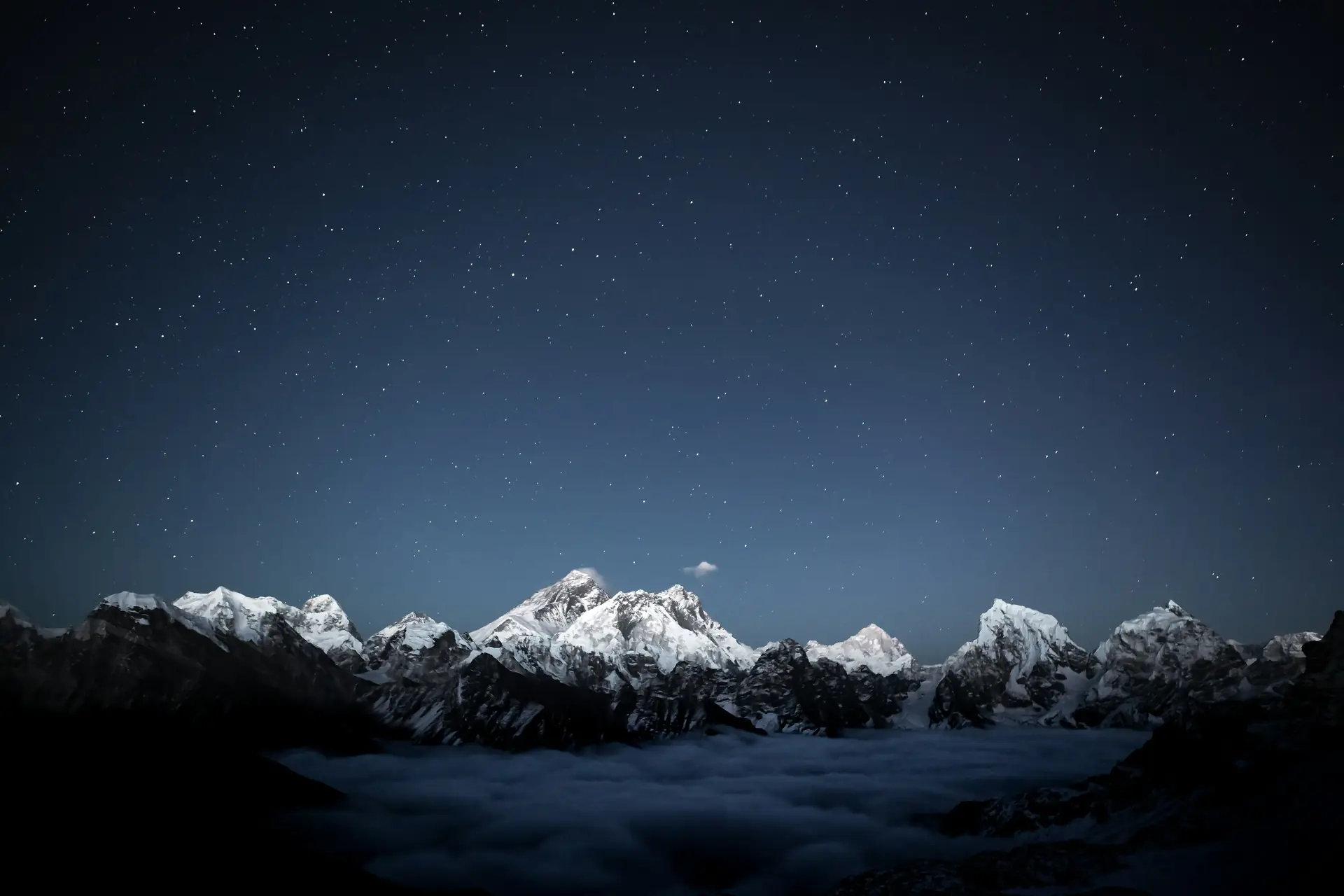
There is a moment on every Everest helicopter tour, somewhere past Namche Bazaar, when Kala Patthar comes into view below and Everest itself rises directly ahead, that no photograph from a trek quite prepares you for. You get the same view trekkers spend thirteen days walking toward, except you reach it in roughly two hours from Kathmandu, and you are back at your hotel in time for dinner.
Helicopter touring has quietly become one of the fastest-growing segments of Nepal's tourism industry, driven by travellers who want genuine Himalayan access without the time, fitness demands, or altitude commitment that trekking requires. For 2027, with Nepal Wellness Year drawing a broader, less adventure-focused traveller base into the country, and with continued investment in aviation safety standards following recent restructuring at the Civil Aviation Authority of Nepal, helicopter touring is positioned for a genuinely strong year.
This guide covers everything you need to plan a Nepal helicopter tour in 2027: the main routes to Everest, Annapurna, and Muktinath, realistic costs across shared and private options, what a landing tour actually involves, safety considerations specific to helicopter travel, and how it compares against trekking the same routes on foot.
What Is in a Nepal Helicopter Tour?
A Nepal helicopter tour is a scenic flight, typically departing from Kathmandu or Pokhara, that takes passengers over or into major Himalayan regions including Everest, Annapurna, Langtang, and Muktinath, often including a landing at a high-altitude viewpoint or village for photographs and, on longer tours, breakfast with mountain views. Flights range from short 20 to 30-minute scenic loops around the Kathmandu Valley to full-day mountain landing tours covering 150 to 200 kilometres of Himalayan terrain in under six hours round trip.
The appeal is straightforward: genuine high-altitude Himalayan access compressed into hours rather than weeks, with no trekking fitness, altitude acclimatisation schedule, or specialist gear required beyond warm layers for the flight itself.
Route | Duration | Max Altitude Reached | Landing Included | Price From (Shared) | Best Season |
| Everest Base Camp Heli Tour | 4-6 hours (Kathmandu return) | Kala Patthar, 5,545m | Yes, Kala Patthar and/or Everest View Hotel | USD 900-1,500 pp | March-May, September-November |
| Annapurna Base Camp Heli Tour | 3-4 hours (Pokhara return) | Annapurna Base Camp, 4,130m | Yes, ABC or nearby viewpoint | USD 350-700 pp | March-May, September-November |
| Muktinath Heli Tour | 2-3 hours (Pokhara return) | Muktinath, 3,710m | Yes, temple complex | USD 300-600 pp | March-May, September-November |
| Langtang Valley Heli Tour | 3-4 hours (Kathmandu return) | Langtang Valley, approx. 3,800m | Yes, Kyanjin Gompa area | USD 700-1,100 pp | March-May, September-November |
| Kathmandu Valley Scenic Flight | 20-30 minutes | N/A (city and valley views) | No | USD 150-250 pp | Year-round |
Everest Base Camp Helicopter Tour: The Signature Route
The Everest Base Camp Helicopter Tour remains the flagship route for a reason. Departing Kathmandu early morning, the helicopter flies east over the foothills to Lukla for a brief refuelling stop, then continues over Namche Bazaar, Tengboche, and the Khumbu Glacier before reaching Kala Patthar at 5,545 metres, widely regarded as offering the closest, clearest ground-level view of Everest's summit available anywhere without technical mountaineering. Most tours also land briefly at Hotel Everest View in Syangboche, one of the highest-placed hotels in the world, for breakfast with a direct mountain panorama.
The full tour typically runs 4 to 6 hours door to door, including the Kathmandu to Lukla and return legs, with actual flight time over the Khumbu region itself closer to 90 minutes. Shared group tours, which run on fixed departure dates and require a minimum group size, typically cost between USD 900 and 1,500 per person, while private charters, which offer full flexibility on timing and route but cost considerably more per seat unless split across a full group of four to five passengers, run higher depending on operator and season.
Regulations here matter for your expectations: helicopters generally overfly Everest Base Camp itself rather than landing there, since the base camp area sits within a active glacier zone with limited safe landing space, particularly outside the main spring climbing season. Kala Patthar and Syangboche serve as the standard landing points instead, and both offer arguably better unobstructed Everest views than base camp's glacier-level vantage point in any case.

Annapurna Base Camp Helicopter Tour: The Shorter, More Affordable Option
Flying from Pokhara rather than Kathmandu, the Annapurna Base Camp Helicopter Tour is both shorter and considerably less expensive than its Everest counterpart, largely because the flight distance from Pokhara to the Annapurna Sanctuary is far shorter than Kathmandu to Everest. The route climbs over Machhapuchhre, Annapurna South, and Hiunchuli before landing at or near Annapurna Base Camp itself at 4,130 metres, with most tours including 20 to 30 minutes on the ground for photographs before returning.
The full round trip typically takes 3 to 4 hours including ground transfer and airport formalities in Pokhara, with shared group tours starting around USD 350 per person, making this the most accessible mountain helicopter experience in Nepal by price. This is also one of the few Nepal helicopter routes where an actual landing at true base camp altitude is standard rather than an occasional bonus, since Annapurna Base Camp's terrain allows safer helicopter access than the Khumbu Glacier zone.
Muktinath Helicopter Tour: Pilgrimage Without the Journey
For Hindu and Buddhist pilgrims, or anyone wanting to see one of Nepal's most sacred sites without the standard overland journey through Jomsom, the Muktinath Helicopter Tour offers direct access to the temple complex at 3,710 metres in a fraction of the usual travel time. Flying from Pokhara, the route crosses the dramatic Kali Gandaki Gorge, among the deepest gorges on earth, before landing near the temple itself, giving passengers time to complete darshan and explore the complex before returning the same day.
This tour typically runs 2 to 3 hours round trip and costs between USD 300 and 600 per person on a shared basis, positioning it as both faster and often more affordable than a multi-day overland pilgrimage itinerary, though it does trade away the gradual approach and Mustang valley scenery that overland pilgrims experience along the way.
Langtang Valley Helicopter Tour: The Closest Himalayan Range to Kathmandu
Less commercially prominent than Everest or Annapurna tours but worth genuine consideration, the Langtang Valley Helicopter Tour flies directly north from Kathmandu into the Langtang range, Nepal's closest major Himalayan region to the capital. The tour typically includes a landing near Kyanjin Gompa, a Buddhist monastery village surrounded by glaciated peaks, with mountain views that rival the Everest and Annapurna routes at a shorter flight distance and correspondingly lower price point, generally between USD 700 and 1,100 per person.
Langtang holds particular significance following the 2015 earthquake, which devastated much of the valley, and the region's recovery and rebuilding has become part of its story for visitors interested in more than scenery alone.

Full Cost Breakdown: What Affects Helicopter Tour Pricing in Nepal
Several factors drive the wide price ranges seen across Nepal helicopter tours, and understanding them helps you compare quotes properly rather than assuming a lower price automatically means a lesser experience.
Shared versus private charter is the single biggest factor. Shared group tours run on fixed departure dates, require the operator to fill a minimum number of seats, and cost significantly less per person, but you have no control over timing and departures can be delayed or cancelled if minimum numbers are not met. Private charters guarantee your departure time and full route flexibility, but the entire helicopter cost is divided among your group rather than a wider pool, making solo or couple bookings considerably more expensive per seat.
Season affects pricing less than you might expect directly, but affects availability heavily, since March to May and September to November see the highest demand and the earliest sell-out of shared group departures, sometimes pushing solo or small-group travellers toward private charter pricing simply because shared seats are unavailable on their preferred dates.
Landing versus flyover changes both price and experience meaningfully. Tours advertised as flyover-only, without a ground landing, are typically cheaper but exclude the standout moment of most of these tours, actually standing at altitude rather than viewing it through a helicopter window. Confirm explicitly whether landing is included when comparing quotes, since some budget listings omit this detail in headline pricing.
What's typically included: the flight itself, standard route as described, and often a light breakfast on landing tours that stop at a lodge or hotel. What's typically excluded: airport departure taxes, hotel pickup and drop-off (sometimes included, worth confirming), travel insurance, and tips for the pilot, which are customary though not obligatory.
Helicopter Tour vs Trekking: Which Should You Choose
This is the comparison almost every helicopter tour searcher is genuinely weighing, even when the search itself looks simple.
Factor | Helicopter Tour | Trekking |
| Time required | Half day to full day | 7-14 days depending on route |
| Fitness required | Minimal | Moderate to high |
| Altitude acclimatisation | Not required | Essential, built into itinerary |
| Cost | Higher per day, lower overall for time-limited trips | Lower overall, spread across more days |
| Cultural immersion | Limited, brief ground time | Extensive, days spent in villages |
| Physical experience | Aerial, observational | Immersive, earned |
| Suitable for | Time-limited, elderly, mobility-limited, or curious travellers | Physically capable travellers with time available |
Neither option is objectively better, and the honest answer depends entirely on what you are after. Trekking earns the view through days of walking, village life, and physical effort, and most people who have done both describe them as genuinely different experiences rather than substitutes for one another. A helicopter tour delivers the visual payoff without the physical or time commitment, which makes it the right choice for travellers with limited holiday time, older travellers or those with mobility limitations, and anyone who wants a taste of the Himalayas without months of training beforehand.
A middle path exists too, worth mentioning directly: several operators, including Nepal Vision Treks, offer combined packages such as an Everest Base Camp trek with a helicopter return from Gorakshep to Kathmandu, letting you trek up at your own pace and skip the multi-day walk back down, or vice versa.
Private vs Shared Helicopter Tours: Which Is Right for You
Shared group tours suit budget-conscious travellers willing to work around fixed departure dates and accept a slightly more structured, less flexible experience shared with three or four other passengers. Private charters suit small groups of three to five people travelling together, since splitting the full helicopter cost across a private group can end up comparably priced to shared seats per person, while gaining full control over departure timing, photography stops, and route adjustments. Solo travellers and couples generally get the best value from shared tours unless timing flexibility is not an option, in which case a private charter, while costing considerably more, guarantees your date regardless of other bookings.
Who Helicopter Tours Are Best Suited For
Trekkers who cannot complete a full multi-day trek due to time constraints, injury, or health considerations but still want genuine Himalayan access make up a significant share of helicopter tour bookings, alongside honeymooners and couples wanting a dramatic, time-efficient experience during a shorter Nepal stay. Elderly travellers and those with mobility limitations, who may be physically unable to manage multi-day trekking regardless of interest level, represent another core audience, as do business travellers or anyone passing through Nepal with only a day or two available who still wants to see Everest or Annapurna properly rather than settling for a distant valley view.
Families with young children too old for a full trek but young enough to need shorter, lower-effort activities also increasingly book these tours, particularly the shorter Kathmandu Valley scenic flights or the more accessible Annapurna route from Pokhara.
Is Helicopter Touring in Nepal Safe
Nepal's helicopter tourism sector operates under regulation from the Civil Aviation Authority of Nepal (CAAN), which has undergone meaningful restructuring in recent years specifically aimed at tightening safety oversight following past incidents involving both fixed-wing and rotary aircraft in Nepal's mountain aviation sector. Choosing an established operator with a verifiable safety record, properly licensed pilots with confirmed high-altitude mountain flying experience, and modern, well-maintained aircraft matters considerably more in Nepal's mountain aviation environment than in most other helicopter tourism destinations globally, given the genuinely challenging flying conditions: thin air at altitude, rapidly changing mountain weather, and technically demanding terrain.
Questions worth asking any operator before booking include how long they have operated mountain helicopter routes specifically, whether their pilots hold mountain flying certification beyond standard commercial licensing, and what their weather cancellation and rescheduling policy looks like, since this affects your trip more than almost any other single factor.
Weather Delays: What to Genuinely Expect
Himalayan weather is unpredictable in ways that catch first-time visitors off guard, and helicopter tours are considerably more weather-dependent than most travellers assume going in. Morning departures are standard practice across the industry specifically because mountain weather deteriorates through the day, with cloud building and wind picking up by early afternoon in most seasons, making early flights meaningfully more likely to proceed as scheduled and deliver clear views.
Delays and cancellations do happen, more frequently during the shoulder seasons around monsoon than during peak spring and autumn windows, and reputable operators build flexibility into their booking terms for exactly this reason. Building at least one buffer day into your Nepal itinerary around a planned helicopter tour, rather than scheduling it for your final day before an international flight, meaningfully reduces stress if weather forces a reschedule.
Altitude Sickness Risk on Helicopter Tours: What's Genuinely Different from Trekking
This is a nuance many travellers get wrong in either direction. Because helicopter tours involve a rapid ascent to altitudes that would normally require days of gradual acclimatisation when trekking, brief mild symptoms, lightheadedness, mild headache, or breathlessness during the short time on the ground at altitudes like Kala Patthar or Muktinath, are not unusual and are generally not dangerous given the very short exposure time, typically 20 to 40 minutes at the highest point before returning to lower altitude.
Genuine acute mountain sickness, which develops from sustained exposure over hours or days at altitude, is a different physiological process than the brief altitude exposure a helicopter landing involves, and most operators do not require any acclimatisation for standard tours as a result. That said, travellers with pre-existing heart or respiratory conditions should mention their planned helicopter tour altitude to a doctor beforehand, and anyone who has previously experienced severe AMS while trekking should treat that history as relevant information worth discussing with the tour operator, even for a short landing.
How to Book a Nepal Helicopter Tour: Timing, Group Size and Practical Advice
Booking two to three months ahead is genuinely worth doing for spring and autumn 2027 dates, since shared group departures on popular routes like Everest Base Camp fill quickly during peak season, and last-minute availability often means paying private charter rates by default rather than choice. Group size affects both cost and experience: helicopters used for these tours typically seat five to six passengers plus pilot, meaning a private charter booked by a group of four or five splits costs efficiently, while solo travellers and couples are generally better served joining a shared departure unless a specific date is non-negotiable.
Documentation required is minimal compared with trekking, since no TIMS card is needed for helicopter tours, though Sagarmatha National Park entry fees apply for Everest region routes and Annapurna Conservation Area fees apply for Annapurna routes, both usually included in package pricing rather than collected separately. A valid passport for identification and standard travel insurance covering activity-specific risk, worth confirming explicitly covers helicopter touring rather than assuming standard travel insurance does, round out what you actually need to arrange.
Frequently Asked Questions
How much does a helicopter tour to Everest Base Camp cost in Nepal?


Does the Everest helicopter tour actually land at Base Camp?
Is a helicopter tour safer than trekking in Nepal?
Can I do a helicopter tour if I have no trekking experience?
What is the best season for a Nepal helicopter tour?
How long does an Everest Base Camp helicopter tour take?
See the Himalayas on Your Own Timeline
Whether you have half a day in Nepal or two weeks, a helicopter tour puts genuine Himalayan access within reach without the fitness demands or time commitment that trekking requires. With over three decades guiding travellers through these mountains, both on foot and from the air, we can help you choose the right route, match private or shared options to your group size, and build a tour around your exact timeframe in Nepal.
Ready to see Everest, Annapurna or Muktinath from above in 2027? Browse Nepal Vision Treks' helicopter tour options, or call or WhatsApp us directly at +977 9802342081, or email [email protected]. Our office is on Dabali Marg, and we would be glad to help you plan the flight that fits your trip