10 days
Trekking
4,130m/13,549ft at base camp
Medium
Kathmandu
Kathmandu
March to May & September to December
Breakfast in Kathmandu, Pokhara and all meals during the trek
Tourist Bus/private vehicle
Hotel accommodation in Kathmandu, Pokhara and teahouses during the trek
This 10-day Annapurna Base Camp Trek follows the Ghandruk–Chhomrong–Dovan line to ABC (4,130 m) and back. It is not the Poon Hill loop — that is a separate trip (see our Ghorepani Poon Hill Trek). Tea houses, permits, and a licensed guide are included. From US $1,390 per person.
The blend of natural charm, adventure, and cultural heritages ensures the journey will give you a lifetime experience of fun and unforgettable memories made in the lap of the charming Annapurna ranges. Whether beginner or experienced, the Annapurna Base Camp trail welcomes everyone with open arms and promises an unforgettable journey.
Among Nepal's celebrated trekking routes, Annapurna Base Camp is famous for its stunning landscapes, rich cultural experiences, and appealing views of the Himalayan ranges. Start your walk alongside the muddy road and tumbling waterfall, passing beside the cultivated patchwork of wheat fields and terraced rice paddies clinging to mountainsides. On the other hand, the lush forest of Annapurna Sanctuary and its alluring viewpoints create a vibrant landscape.
You take your journey from the beautiful city of Pokhara, flying in from Kathmandu before trekking to the picturesque Gurung village of Ghandruk. From there the trail climbs to Chhomrong, the gateway to the Annapurna Sanctuary, and continues through Dovan and Deurali into the heart of the range.
Moreover, the village is adorned by the local Gurung community, which showcases its culture through its friendly demeanor and cultural artifacts. There are settlements along the trail, especially at lower altitudes, so you will have plenty of opportunities to interact with locals.
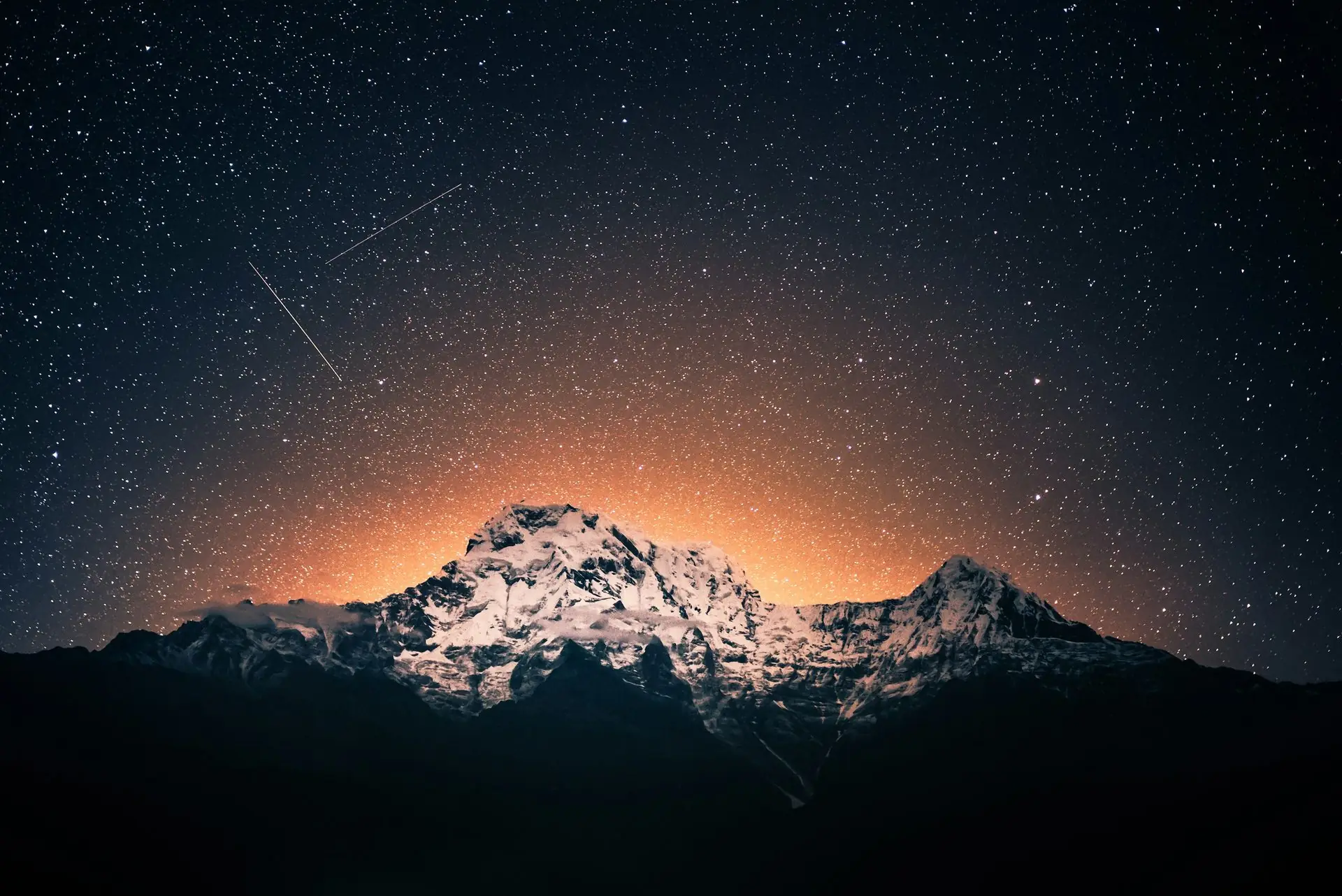
From Deurali you make the final push to the Annapurna Base Camp at an altitude of 4,130 m. Here we stand, amazed by the beauty of the aura of the majestic white peak, which is ranging over us and touching the sky.
Annapurna I, Dhaulagiri, Machhapuchhre, Annapurna III, Annapurna South, Gangapurna, Nilgiri, Hiunchuli, and Tukuche Peak are there to cheer you on and create a panorama that might feel otherworldly.
In addition to the magical experience as you descend, you can enjoy the hot springs at Jhinu Danda before you make your way to Pokhara.
The Annapurna Base Camp offers spectacular and culturally different trekking experiences. The easy trail, suitable for all ages, makes it even more exciting.
1st Day: Arrival day in Kathmandu (1,300m/4,264 ft)
2nd Day: Flight to Pokhara (800m/2,624ft), Trek to Ghandruk (1940m/6360 ft) 25 minutes flight, 5-6 hours walk
3rd Day: Trek to Chhomrong (2150m/7053ft) 5-6 hours walk
4th Day: Trek to Dovan (2317m / 7602ft)5-6 hrs walk
5th Day: Trek to Annapurna Base Camp (ABC- 4130m/13550ft) 5-6 hrs walk
6th Day: Annapurna Base Camp to Bamboo (2,300m/7,544 ft) 5-6 hrs walk
7th Day: Trek to Jhinu Danda (1,736m/5,695ft) 5-6 hrs walk
8th Day: Trek to Pokhara (800m/2,624ft) 6-7 hrs walk & 1 hr drive
9th Day: Flight back to Kathmandu (1,300m/4,264 ft) 25 minutes flight
10th Day: Departure from Kathmandu
20 Minutes
Kathmandu
Welcome Dinner
Hotel
Welcome to Nepal, a magical nation in the Himalayas. Our representative will greet you when you arrive at the Tribhuvan International Airport. He/She will be ready to help you make the transfer to your accommodation in Kathmandu. After getting some time to rest, we'll meet again and travel to one of the classic Nepalese restaurants for a welcome dinner followed by a short briefing about the tour. Overnight stay at the hotel.
1.5 Hrs
Ghandruk
3 Meals
20 Minutes
4 Hrs
Tea House
After breakfast, on the second day of the trip, we will take an early morning flight to Pokhara, the beautiful lake city, and catch great views of the Himalayas. After landing at the Pokhara airport, we will drive to Nayapul (1 hour and 20 minutes). The trek will start from here. After reaching Birethanti, we will trek to Ghandruk, a beautiful village mostly inhabited by the Gurung community. If time permits, we will also visit the Gurung Museum. Overnight in Ghandruk.
Chhomrong
3 Meals
5-6 Hrs
Tea House
At this juncture, we will climb for around an hour up to Kimrungdanda. On the way, we will enjoy great views of Annapurna South, Hiunchuli, Fishtail Mountain (Machhapuchhre), and Ganggapurna. A steep descent will take us to the Kimrong Khola. After another steep ascent from Kimrong Khola to Chere Danda, we will descend for a while, and then itâs a gentle walk to Chhomrong. Chhomrong is a beautiful village located on the lap of the giant Annapurna massive. Overnight in Chhomrong.
Dovan
3 Meals
5-6 Hrs
Tea House
After breakfast, our trail will descend to the Chhomrong Khola. Then, the trail will lead us to a small place on Sinuwa hill. After that, our trek will enter the upper Modi Khola valley. We will continue our trek after lunch, going down to Bamboo through an uninhabited forest area to Dovan for an overnight stay.
Annapurna Base Camp
3 Meals
5-6 Hrs
Tea House
Leaving Dovan, the trail climbs steadily through bamboo and rhododendron forest past Himalaya and Deurali, entering the Annapurna Sanctuary. After passing Machhapuchhre Base Camp, you make the final ascent to Annapurna Base Camp (4,130 m), arriving in the afternoon surrounded by a full amphitheatre of peaks — Annapurna I, Annapurna South, Machhapuchhre, and Hiunchuli. Overnight at the base camp lodge.
Bamboo
3 Meals
5-6 Hrs
Tea House
We will wake up with a glimpse of sunrise over Mt Annapurna I. After having a great time, we will retrace the journey back to Bamboo overnight. Few guesthouses are settled for the purposes of tourism services. You can rest and relax in the evening with a good memorable view of the many snow-capped peaks and enjoy dinner.
Jhinu Danda
3 Meals
5-6 Hrs
Tea House
After breakfast, our trail will lead us to the Khuldi Ghar. We will retract our trek to Sinuwa Hill. We will have a continuous trek up to the Chhomrong. After lunch, the trek gets steeply descends towards the Jhinu for an overnight stay. You may have a chance to visit a natural hot spring down to the stream and enjoy a hot bath.
1 Hrs
Pokhara
Breakfast and Lunch
6-7 Hrs
Hotel
This will be a long day walk following the river Modi most of the way reaching Landruk village. From here, the route follows the downhill path leading back to Syauli Bazaar. The walk from Birethanthi to Nayapul will be the most pleasant walk that follows the Modi River side by side. Our adventurous Annapurna Trek ends here and we will drive back to Pokhara for the overnight.
Kathmandu
Breakfast & Farewell Dinner
20 minute
Hotel
We will fly back to Kathmandu, in the early morning after our breakfast. After our arrival in Kathmandu, our representative will drive you to your hotel. You can spend the remaining time relaxing or exploring the neighborhood before spending the night there.
20 Minutes
Breakfast
On this day, you will be free for any last-minute shopping for souvenirs or gifts for your family, friends, or relatives on the last day of the trip. You will have plenty of time for you to commence any extra trips or activities you may have booked with us until your departure flight or drive. If you are leaving, you'll be transferred to the International Airport for your departure flight to your onward destination. We wish you a wonderful Himalayan adventure with us!
✅ All airport and hotel transportation by private vehicle in Kathmandu as per the itinerary suggested.
✅ Deluxe twin-sharing accommodation in Kathmandu with breakfast
✅ Farewell dinner in Kathmandu (Alcoholic beverages are excluded)
✅ Kathmandu to Pokhara & Pokhara to Kathmandu travel cost.
✅ Full board meal (breakfast, lunch, dinner, tea & coffee) during the trek
✅ Seasonal fruits during the trek are provided
✅ Comfortable & clean accommodation on teahouse/lodge/tent during the trek
✅ Government Registered Trek guide (English speaking, First Aid and eco trained), Sherpa porter (one porter for two trekkers)
✅ All necessary paper works, Annapurna entry fee, permits & TIMS card
✅ Four seasonal sleeping bags, Nepal Vision Treks duffel bag, and trekking map (sleeping bag to be returned after trip completion)
✅ First aid exclusive medical kit bag
✅ All government and local taxes
❌ Visa fees (You can obtain a visa easily upon your arrival at Tribhuwan International Airport in Kathmandu so (bring accurate USD cash and two passport photographs) International airfare to and from Kathmandu
❌ Lunch and dinner in Kathmandu & Pokhara except for welcome & fare well dinner (and also in the case of early return from the mountain than the scheduled plan)
❌ Any extra night accommodation in Kathmandu because of early arrival, late departure, and early return from the mountain (due to any reason) than the scheduled itinerary plan
❌ Travel and rescue insurance
As you trek to the Annapurna Base Camp, you must pay specific permit fees. The Nepal Vision trek clearly includes the price of the permit in the package, and we will help you get it with the help of our experienced guide.
Two permits are required to enter the Annapurna region. These are taken from Kathmandu or Pokhara before starting your trek.
Nepal's most common and fastest domestic flights are from Kathmandu to Pokhara. It is a 25-minute scenic route with panoramic views of both cities.
Many domestic airlines have a standard baggage policy. Each passenger can carry 20kg of checked luggage. It is better to check with specific airlines for any variation in baggage policies or additional fees for excess baggage.
The flight takes typically 25 minutes and covers a distance of 90 miles. It departs at 7 a.m.; the last flight is around 8:25 p.m. However, the timing is different for various airlines, so you are advised to check with the travel operator.
Tickets can be booked from the airline's website or travel agencies. Depending on traffic, weather, and season, the cost can range from $100 to $130.
Travel insurance is your safety net when you start your trekking journey. It helps to protect you against loss, theft, medical emergencies, high-altitude evacuation, and adventure mishaps. However, with plenty of options for travel insurance, it can take time to choose the right policy.
The Annapurna Base Camp Trek is a once-in-a-lifetime exploration of the hidden gems wrapped in the arms of the Annapurna region. Yet there are many things to consider before deciding if the trek is proper for you. Many factors contribute to the decision, so let us find out which of these are.
The trails of the Annapurna Base Camp trek fall under the easiest trek in Nepal. The terrain follows the steep ascents, narrow paths, and some high-altitude challenges standing as the test for seasoned trekkers. Similarly, you are taken to an altitude above 4,000 meters, which is yet another challenge.
The higher elevation increases the potential risk of altitude sickness. You must hike for 12 to 15 days across diverse landscapes to trek. Other difficulties include your ability to keep pace and handle the changing altitude. So, maintaining your pace, being well-equipped, and staying hydrated can help you navigate the trail.
The walk to Annapurna Base Camp takes you to a height of 4130m, with alluring views of the Annapurna ranges standing at 8091 m. The prominent highlight places of the trail are Ghandruk (1,940m), Chhomrong (2,170m), and Machhapuchhre Base Camp (3,700m).
Altitude sickness can be an obstacle, but acclimatization is the best way to prevent it. Nepal Vision Treks guides have first aid training to help you provide essential medication like Diamox to alleviate the condition.
The four seasons in Nepal bring out the best of the natural beauty. However, spring and August are the best times to experience any trekking trail due to its comfortable surroundings. At the same time, summer and winter seasons can be an obstacle to completing your trekking trail journey.
Spring is characterized by the cold breeze from the majestic Annapurna peaks and the charming aura of natural wonder. Moreover, the active flora and fauna in the Annapurna Conservation Area allow visitors to encounter a diverse range of endangered species.
The long walking days, comfortable weather, and good trail location are perfect for exploring the trail, making the season one of the peak times to trek.
It is also the festival period of Lhosar, Buddha Jayanti, and the celebrated Gurung community so that you can immerse yourself in the cultural insight of this friendly community.
Remember that clouds might obstruct your views due to smoke gathered from burning dry crops by farmers in the lower region. Meanwhile, the monsoon starts at the end of the season, so you should plan your trek in the middle of the season.
Finishing the rain and nature regaining its beauty transition into the vibrant atmosphere, comfortable weather, and good trail conditions in the autumn season. The verdant landscape and pink and red rhododendrons add allure to the natural beauty. Aside from that, cultural landmarks and festivals like Dashaina and Tihar give you an insight into the customs and lifestyles of the Aryan community.
It is one of the best times to explore the natural wonders, so you should book the trek in advance to tackle the crowd. But the harsh winter climate starts at the end of the season, so you should prepare accordingly.
The trail of the Annapurna Base Camp Trek combines ancient beauty with modern services, so you won't have to worry about accommodation and food.
The quality of accommodation ranges from lower to higher elevations. At lower elevations, you have functional tea houses with electricity, Wi-Fi, bathrooms with hot showers, and Western toilets. As you ascend to the upper elevation, you can stay in a teahouse, a room with a shared bathroom.
In contrast, you can get ready to spill your taste buds for food. The options suit all tastes, including local food like Dal Bhat (with unlimited refills), MoMo dumplings, Thukpa, fried rice, sweet potato, think, dido, and many more. You can also get Western options like pasta, pizza, and pancakes.
If you have any dietary restrictions, please let us know beforehand so we can help accommodate your diet accordingly.
Since the trek is in the remote part of the Himalayas, most of the tea houses have access to electricity or solar power. But it depends on the tea house if you can charge your devices in your rooms. You also have an option to pay around $3-4$ to charge your battery in the main dining hall. Carrying your power bank during your trek in the Annapurna Base Camp Trek is better.
Many villages have access to different phone services and mobile reception, but it is unpredictable. NCELL and Nepal Telecom are the two major local SIM card providers. You can get them in the stores in Thamel or Pokhara. Moreover, many tea houses charge 2-4$ for internet per night, depending on the altitude.
Whilst the porter is unnecessary for your trekking journey, the guide can greatly impact your trip and make it smooth and comfortable. If you are a beginner at the Nepalese trekking trail, you are advised to hire one porter for the Annapurna Base Camp trek. One porter can carry 20kg, depending on the terrain. But the decision to hire a guide depends on your needs and preferences.
Altitude sickness is a major concern in high-elevation trekking over 4000m. Here are specific tips from experienced guides on the Nepal Vision trek for managing altitude sickness.
We have gathered bundles of tips to help you prepare for your trekking journey.
You should prepare physically before 3 months for a successful experience. Initially, you should start taking the staircase and, on the weekend, go for a long walk and bike ride. Later, focus on including cardiovascular and strength training in workouts for endurance and stamina.
Plan to pack the proper gear for a comfortable trek to Annapurna Base Camp. Put out your investment for high-quality gear and pack wisely. If you want a budget-friendly option, rent gear from Thamel, which costs less than a dollar a day.
Breathing techniques are best for making your trekking experience unforgettable at high altitudes. Practice inhaling through your nose and exhaling through your mouth. This method is perfect for regulating breathing and maintaining a steady oxygen flow.
Take time to appreciate the stunning landscapes and culture along the trail. Alongside the cheering white smiles of towering peaks, you will be accompanied by the friendly Gurung people, who will highlight their culture and customs, giving valuable insights into their way of life and traditions.
Try to eat a healthy diet during your trek. Avoid junk food, as it can cause energy crashes. Eat a balanced meal for muscle repair and plenty of fruits and vegetables for vitamins.
Pack light during your journey, aiming to carry only the essentials in your backpack. Consider using lightweight gear and clothes specifically for trekking. For comfort on the trail, a good rule of thumb is to keep your pack weight under 10-15% of your body weight.
Staying hydrated is vital during the trek, as high altitudes can lead to dehydration more quickly than at sea level. Drink at least 3-4 liters of water per day and carry a reusable water bottle. Besides, water purification tablets should be used when refilling from natural sources along the trail.

ONGOING TRIPS
| Departure Date | Status | Prices |
|---|---|---|
|
{{ departure.package.duration }} From {{ formatDate(departure.start_date) }} - {{ formatEndDate(departure.start_date, departure.package.duration) }} |
|
${{ departure.package.discounted_price }}
${{ departure.package.price }}
|
Frequently asked questions:
The trek offers incredible 360-degree views of the Annapurna range, including famous peaks like Annapurna I, Dhaulagiri, Himchuli, Machhapuchhre (Fishtail Mountain), and many more. You'll also pass through different landscapes, from lush rhododendron forests to high-altitude terrain, and experience the culture of the local Gurung people.
There are no official age limits, but trekkers should be in good physical health. The physical challenges of the trek, including long walking hours and high altitudes, require participants to be able to handle them.
Considering the far and longer route, with the increase in height also, The Everest Base Camp is considered harder than the Annapurna Trek. With the increase in height there occurs the difficulty in weather, lodging, and climbing, definitely causing Everest base camp harder.
The best times to trek are Spring (March to May) and Autumn (September to November). During these seasons, the weather is generally clear and mild for great visibility of the mountains and comfortable conditions for trekking.
Yes, the ABC trek is moderately difficult and suitable for reasonably fit beginners. It requires stamina and some preparation, but it’s manageable with basic fitness training.
The distance from Ghandruk to ABC is about 32 km (20 miles). The trek generally takes 2-3 days, depending on your pace and the number of rest days you take for acclimatization.
Yes, the guide is mandatory as of the 2023 rule set by the government of Nepal. A guide can help with navigation and safety, and provide cultural insights along the way.
Daytime temperatures are usually between 10-15°C (50-59°F), while at night, they can drop below freezing, especially at higher altitudes. The weather can change quickly, so it’s important to be prepared for cold temperatures and possible rain.
Yes, there are tea houses and guesthouses at various points along the route. These accommodations offer basic facilities like a bed, meals, and hot drinks for trekkers to rest comfortably.
Credit cards are not widely accepted along the trekking route, especially in remote areas. It’s best to carry enough cash for expenses along the way. You can exchange or withdraw money in Pokhara before you start the trek.
Pokhara has several ATMs and money exchange services where you can withdraw cash or change currency before you start the trek. Make sure to bring enough money with you, as ATMs are not available along the trekking route.
The ABC trek is considered moderately difficult. It involves walking for several hours each day at high altitudes, so physical fitness is essential. While it’s not as strenuous as some more challenging treks, it still requires stamina and preparation.
Most trekkers walk at a pace of about 4-6 kilometers per hour. The daily trekking time usually ranges from 5 to 7 hours, depending on your pace and the altitude. Acclimatization and rest days can affect the overall duration of the trek.
To prepare, focus on cardio exercises like hiking, running, or cycling. Building stamina through long walks or hikes will help. Additionally, strengthening your legs and core with exercises like squats and lunges will make the trek easier.
Yes, there might be some hidden costs, such as tips for guides and porters, extra meals not included in your package, or additional accommodation if you need to stay longer due to illness or delays. It’s always good to ask about any extra costs upfront.
The trek typically takes between 7 and 12 days, depending on your route and how many rest days you take for acclimatization. The exact duration can vary based on your pace and how long you spend exploring along the way.
Despite of the multiple obstacles in the path to the Annapurna Base Camp, the trek is considered moderate. It falls as neither too strenuous nor too easy trek. With some difficulties like steep and rugged trails, walking over the stone stairs, and long walk, there are other some difficulties.
Considering the far and longer route, with the increase in height also, The Everest Base Camp is considered harder than the Annapurna Trek. With the increase in height there occurs the difficulty in weather, lodging and climbing, definitely causing Everest base camp harder.
This 10-day Annapurna Base Camp trek costs US $1,390 per person, including tea house accommodation, permits, and a licensed guide.
This itinerary takes 10 days, following the Ghandruk–Chhomrong–Dovan route to Annapurna Base Camp (4,130 m) and back, with a flight to Pokhara on day 2.
We’re Listening
Tell us what you need—just fill out the form and we’ll take it from there.
HOLIDAY PACKAGE OFFER
Sign up now to receive hot special offers and information about the best tour packages, updates, and discounts!
Subscribe to receive exclusive deals, destination highlights, and insider travel tips delivered straight to your inbox.
EXOLORE GREAT PLACES
Whether you're looking to explore nearby regions, extend your journey, or try a different trekking experience, these carefully curated trips are perfect companions to your current itinerary.