Peak Climbing in Nepal
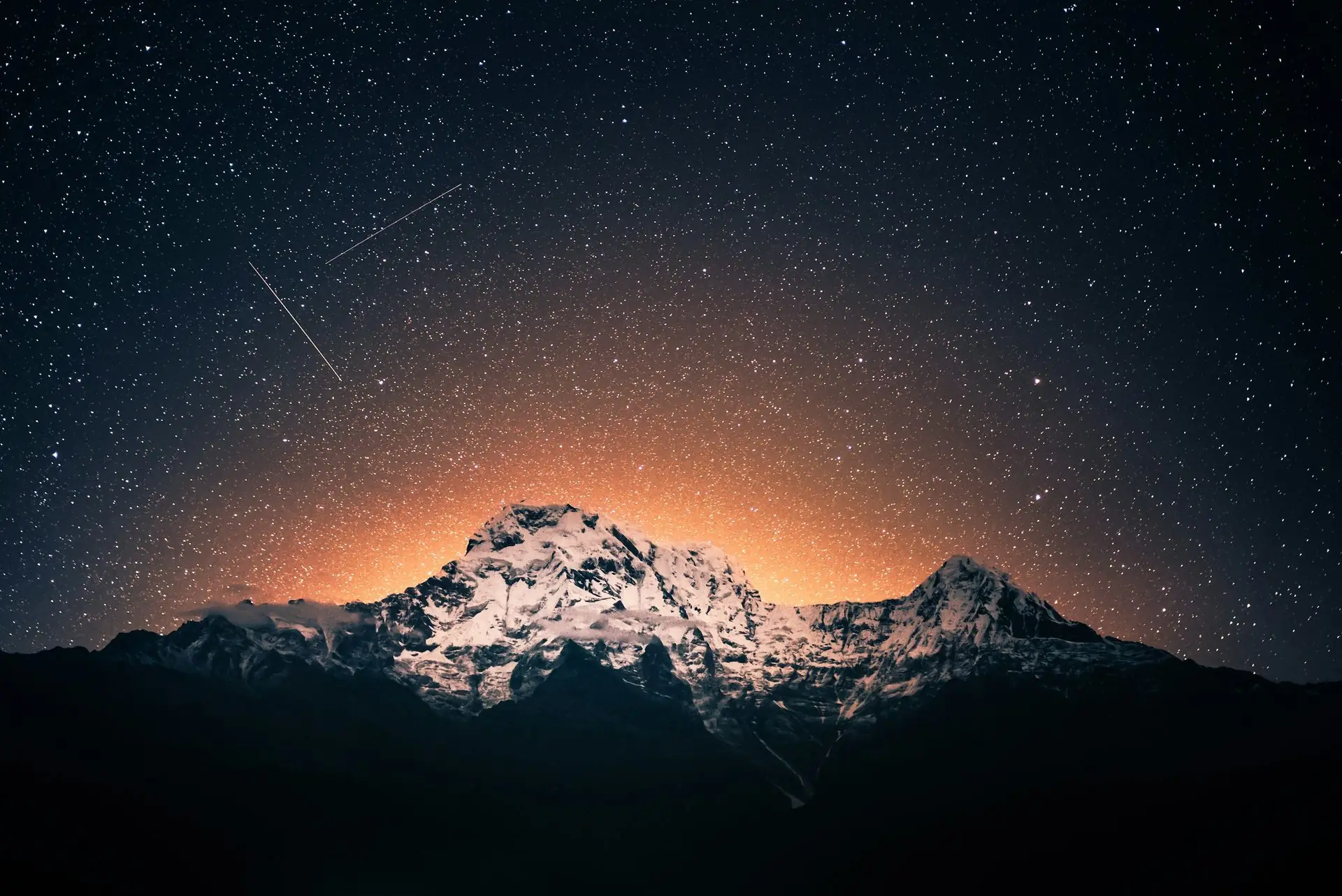
Nepal is a popular destination for peak climbing enthusiasts. There are 33 peaks in Nepal that are permitted for peak climbing by the Nepal Mountaineering Association (NMA). Most of these peaks are situated in the Khumbu and Annapurna regions of Nepal.
The peak climbing experience in Nepal is not just about reaching the summit, but also about experiencing the stunning landscapes, cultural heritage, and warmth of the locals. Some of the popular peaks that can be climbed in Nepal are
- Island Peak (Imja Tse) - 6,189m/20,305ft
- Mera Peak - 6,476m/21,247ft
- Pisang Peak - 6,091m/19,984ft
- Lobuche Peak - 6,119m/20,070ft
- Pokalde Peak - 5,806m/19,050ft
Peak climbing in Nepal requires a good level of physical fitness, and experience in high-altitude trekking, and mountaineering skills. It is essential to be accompanied by a licensed guide who has experience in peak climbing. All peak climbing requires a climbing permit, which can be obtained through a registered trekking agency. The permit fee varies depending on the peak and the climbing period.
Best Peak Climbing Season in Nepal
Generally, the best peak climbing season in Nepal is during the months of April, May, September, and October. During these months, the weather is mild, and the sky is clear, offering excellent climbing conditions. The monsoon season in Nepal starts from June to August, and it is not suitable for climbing due to heavy rainfall and the chances of landslides. The winter months from December to February are usually too cold and covered in snow, making it challenging to climb. The shoulder seasons of March and November can also be good for peak climbing in Nepal, but there may be occasional snowfalls, and the weather can be unpredictable.
Peak Climbing Costs
Peak climbing in Nepal is a challenging yet rewarding experience that offers breathtaking views of the Himalayas, which makes it a once-in-a-lifetime experience for mountaineering enthusiasts. Costs of some of the major peak climbs:
| Peak Climbing and Expedition |
Costs |
| Mera Peak Climb-18 days |
US $2580 |
| Island Peak Climb-16 days |
US $2475 |
| Island & Lobuche Peak Climbing |
US $3990 |
| Mount Everest Expedition |
US $50000 |
| Pisang peak Climb |
US $2375 |
Mount Everest Expedition
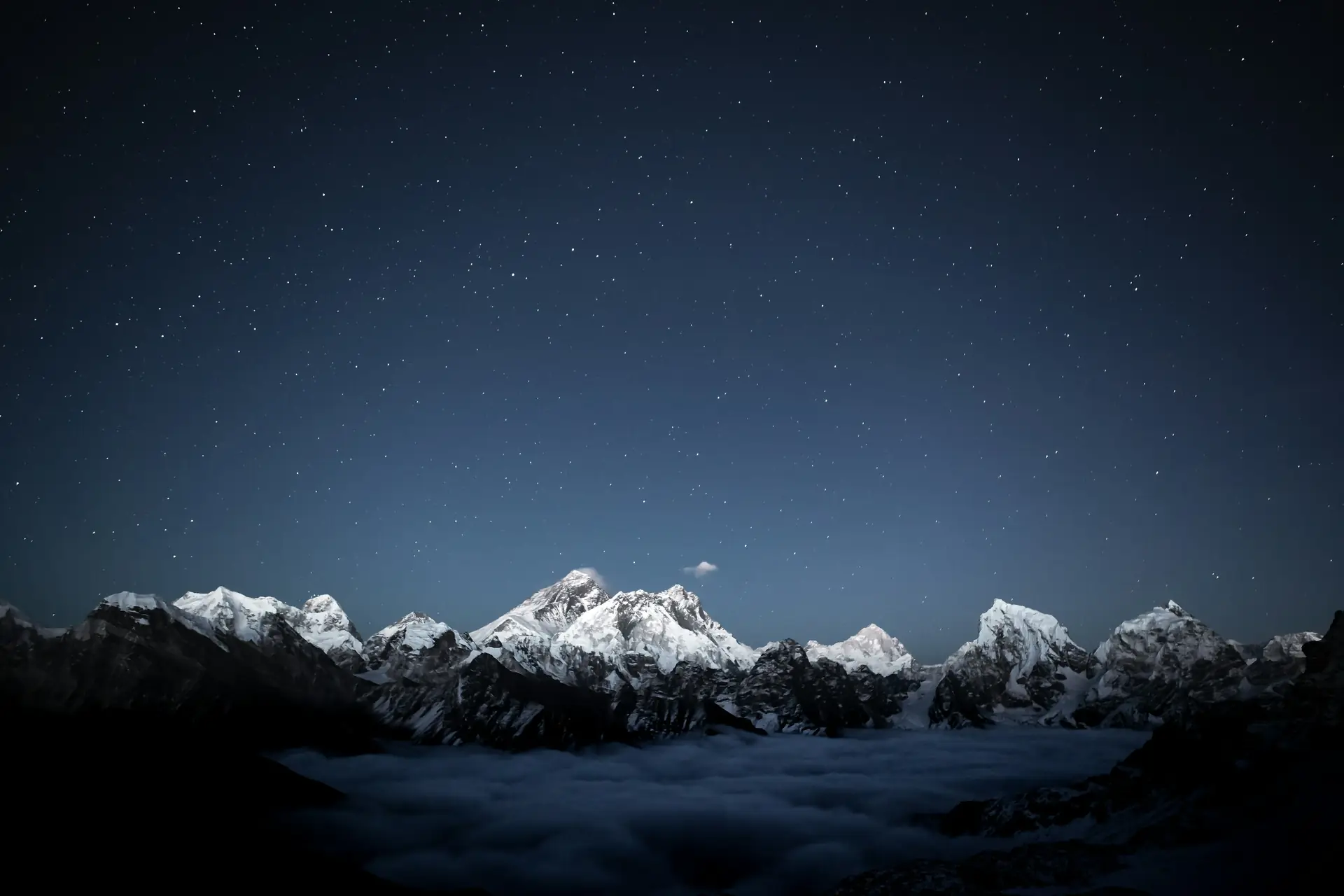
Mount Everest, located in the Himalayas, is the highest mountain in the world with a summit point of 29,029 feet. Mountaineers from all around the world come to attempt to climb Everest every year, and it is considered one of the most challenging expeditions due to extreme weather conditions and altitude sickness. A typical Everest expedition can take around 60 days, with time spent on acclimatizing, climbing, and waiting for the weather window to the summit. The expeditions usually start in April and May, with climbers spending time in base camp (17,500 feet) before ascending to higher camps.
Experienced mountain guides and sherpas lead the expeditions, and climbers need to have specialized training in mountaineering, climbing, and altitude sickness control. The climbing route to the summit passes through the Khumbu icefall, considered the most dangerous part of the climb, the Lhotse face, the South Col, and finally the Hillary Step. Climbers need to have the proper equipment for the expedition, including mountaineering boots, crampons, ice axes, climbing ropes, oxygen tanks, and warm clothing. The average success rate of an Everest climb is around 65%, and many climbers face challenges such as frostbite, hypothermia, and altitude sickness. Despite the challenges, climbing Mount Everest is considered an achievement by many, and the experience of making it to the summit is said to be life-changing.







 difficulty: Hard