



Everest Helicopter Tour in Winter: Is It Worth It?
 Nepal Vision Treks
 Jul 7, 2026
 11 Min Read
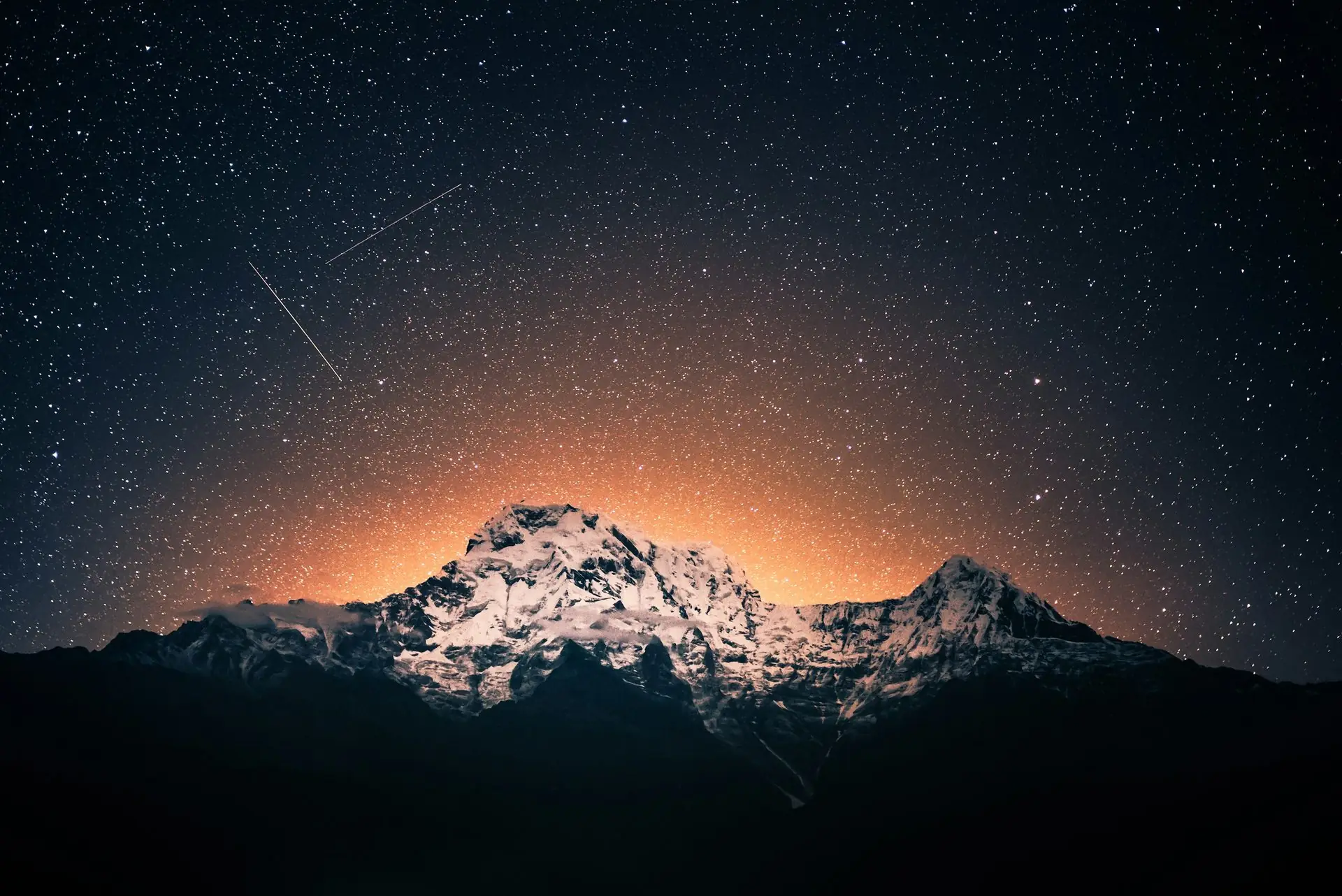
Every Everest helicopter tour has a moment when the cabin falls silent when the world's highest peak spills across the window and catches the light in a flawless blue sky. During the winter season, that time is different. From the top of the mountains down to the valley, the snow is fresh, the air so clear you can see individual ridgelines for miles, and you may have the Khumbu region pretty much to yourself, rather than sharing the sky with a dozen other flights.
If you've been wondering what makes winter the best time to visit Everest, here are some reasons. If booking any sooner than now, before the best morning slots are booked up, seems like a good idea, then it is, because it's one of the most shrewd travel moves of the year.
Yes, You Can Absolutely Fly to Everest in Winter
This is the welcome news for those who think that winter seasons are the time when the Himalayas are closed.
Everest helicopter tours take place almost every month of the year, and December to February is a full flying season, not a go-to if you're desperate. Helicopters are not as physically demanding as trekking over snow and ice in winter, and can fly you over the snow and ice that would take weeks to trek across on foot.
Operators at Kathmandu operate regular services and private charters during the winter season, and if you ask them, off the record, the best visibility of the year often occurs in the mornings of winter. Winter is no compromise to see Everest. It's an invitation.
The Real Reason Winter Skies Are So Spectacular
Knowing a little about the science of being clear during the winter helps to answer the question of why so many experienced pilots and photographers go to great lengths to make this season more like others.
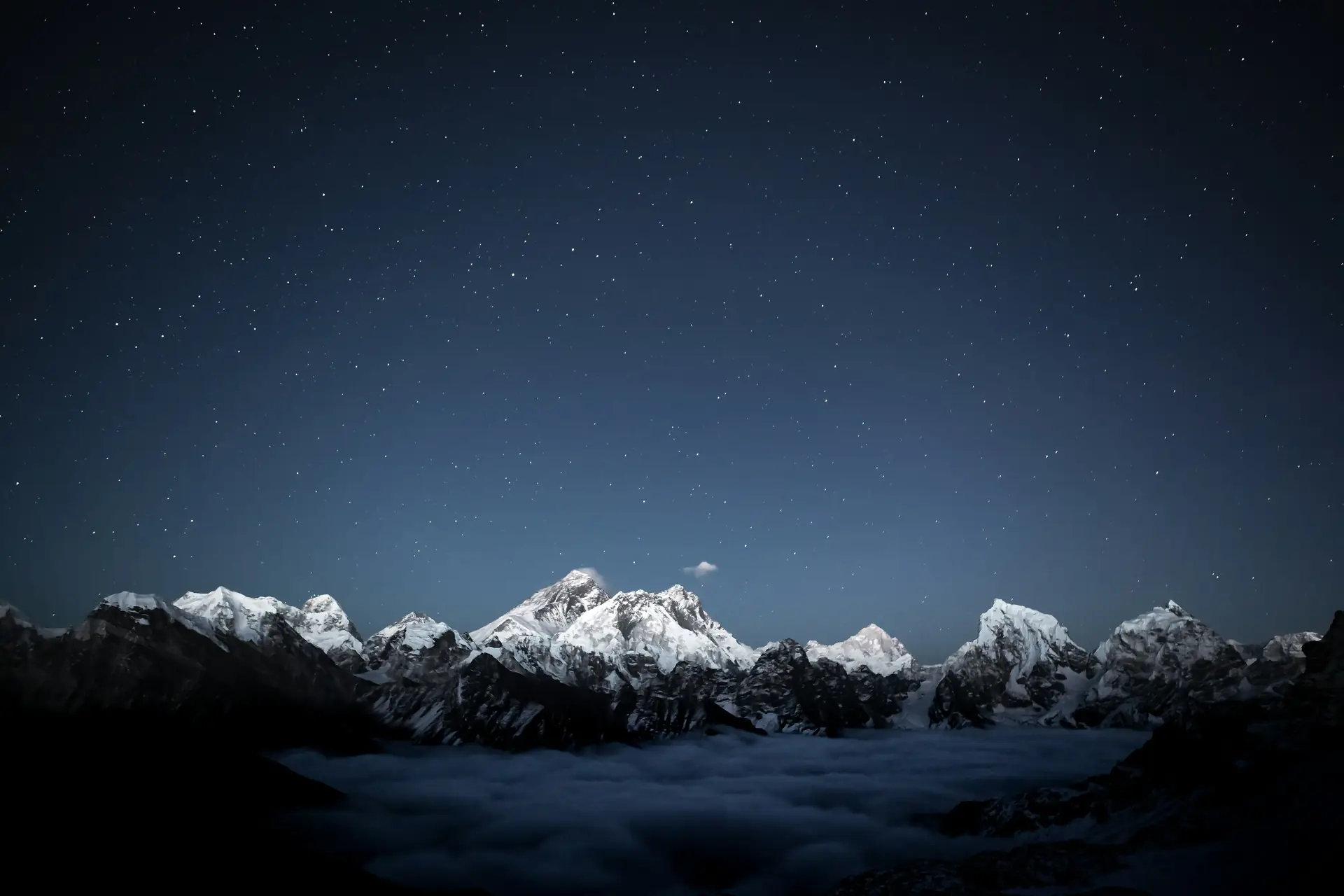
In the cold winter air, it is dry and heavy, and the night's low temperatures are sufficient to still the air by dawn. There is less moisture to produce haze, fewer thermal updrafts to stir dust and cloud, and virtually no monsoon moisture to haze the horizon in summer. The effect is an atmosphere that is as clear as spring and autumn can be, at least in a way she can guarantee. Bright white fresh snow blankets every peak, glacier, and ridge, and you're left with a near-unreal version of Everest, Lhotse, Nuptse, Ama Dablam, and Pumori, crisp and shining, photogenic as all get-go. It is the time when serious photographers pursue, and you will know why.

How Cold Does It Get — and Why It Barely Matters
Temperature is the first thing that every traveller wants to know, and so let's be honest and put it in perspective.
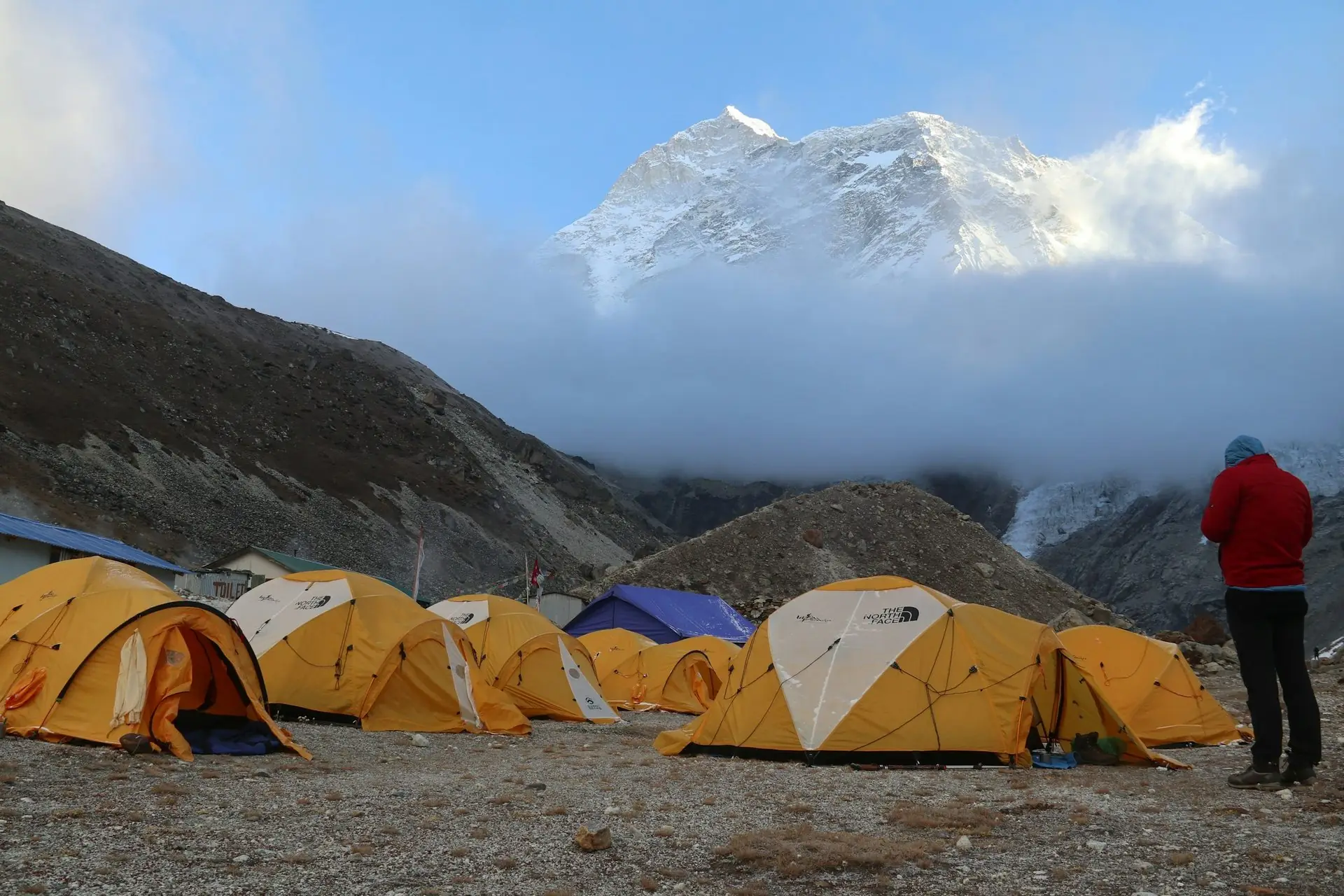
Weather conditions at higher altitude spots such as Kala Patthar (around 5,545m) and near Everest Base Camp are generally between -10°C and -25°C in the morning, with the wind chill sometimes dropping below. This is pretty intense, and it is, but the amount of exposure to that cold is really quite brief.
While only 10-20 minutes on the ground at the coldest sites, a typical helicopter tour will then fly to the next hotter and lower elevation areas, such as the Everest View Hotel, where you can sit down to breakfast with the backdrop of the mountain. That's a far cry from trekkers who are pushed to deal with day or week-long colds, though, and when it comes to enjoying winter Everest, it's easy to see that a helicopter tour doesn't cost you as much as the experience as prolonged discomfort. Good jacket and 20 minutes of awe, that's all the swap.
The Best Time of Day to Fly (And Why Morning Bookings Sell Out Fast)
The timing here is not only a factor but a key one that will make this flight memorable or otherwise.
In winter, the period of time between 6:00 AM and 9:00 AM is always the windiest and cloudiest time with clear skies, as the air cools down overnight, and then stabilizes in the mountains before the sun starts to heat the valleys again. During the morning, the increasing heat creates local winds and cloud cover around the peaks, so that by the time the day is over, there will be little opportunity to get away at the end of the season for the winter break. That's precisely why the first hours of each morning are the most coveted times during the winter; smart travelers and photographers know that these are when there's the clearest visibility, so they book early. If you want to see the sunrise on Everest, book early for your flight in the winter; it's a must.
Winter vs Spring (or Fall): Honest Comparison
Given that there are three flying seasons to choose from, here's what winter really is like compared to the more celebrated time of the year.
Spring (March-May) and autumn (September-November) are both marketed as the “best” seasons, and they are indeed good seasons with excellent stability and milder temperatures. Stability doesn't equate to entertainment. In the fall, most of the landscape is brown, somewhat rocky, and with scattered snow; in the spring, there is more rhododendron blossoms and less snow at lower elevations.
In contrast, the whole area is covered with deep, continuous snow in winter, giving a much more dramatic, more uniformly white Himalayan vista, which is stunning to photograph in all directions. One of the great advantages of winter is that tourists are much fewer in number, so flights have smaller groups, boarding is even more relaxed, and sometimes great deals are available on last-minute flights. Sure, summer travel has a slight risk of short weather delays, but if you want the most striking Everest experience and a more exclusive one, that is a worthwhile risk to take.
What to Pack to Stay Warm and Comfortable
With a bit of preparation, winter's cold becomes a non-issue, and you can concentrate solely on the views.
Take a good down jacket suitable for at least -10°C, thermal base layers, and insulated trekking pants. A wind-chill beanie and a neck buff or scarf will deal with wind chill at the viewpoints, and a thin liner glove will allow you to use your camera or phone without exposed bare skin in the cold, with a thicker insulated mitt on the coldest stops. Avoid sun glasses, slippers, and sun cream. UV exposure is high year-round, even with snow.
Sturdy, warm boots complete the ensemble. You're not going to be on a trek, you'll find you'll want to be in well-appointed snow boots at Kala Patthar with a little snow under your feet. Pack in layers that you can remove or add to as you travel between the icy high-altitude lodging and the distinctly warmer breakfast hotel at Everest View Hotel.
How Operators Handle Winter Weather Delays
Understanding the management of flights when conditions change will aid you in booking with certainty, not doubt.
Now, Himalayan weather can turn unpredictable within a mere second, and trustworthy operators have real-time monitoring and will not compromise safety even if they have to cancel or reschedule a flight, which is a big No. Most airlines have flexible rebooking or refund policies in case of flight disruption, ensuring you will not be stranded or shortchanged.
The easiest way to avoid problems in the winter is to add one or two buffer days to your trip itinerary in Kathmandu. That little change is just a minor shuffle in the schedule, a weather delay, rather than a missed opportunity, and is the best thing you can do to guarantee you enjoy your winter Everest experience.
Group Sharing or Private Charter: Which Wins in Winter?
The number of options you have in this category will also affect your price point and flexibility, which will be influenced by the winter season either way.
Group flights are still the cheapest option to travel by air, and typically, there are fewer passengers during the winter months, giving groups the opportunity to book with less notice than in the busy spring and fall seasons. A private charter will allow you to select the time you depart to take advantage of the best morning skies, include additional time for your photography at your preferred location, or even plan for a special evening at the airport.
Winter typically has fewer travelers overall, making private charter slots, especially those convenient sunrise trips much more accessible than during peak season, with more options available for you and your passengers' experience for a similar relative price.
Why Winter Might Just Be the Best-Kept Secret in the Himalayas
You enjoy clearer skies, a more picturesque view of snow, a smaller crowd, greater flexibility in booking, and a more exclusive experience than a massively booked and rushed one. The cold at altitude is a reality, but it's short-lived and easily handled when equipped properly — a small price to pay for enjoying views that are not always available in spring and autumn. When you've been waiting for better weather to see Everest, then this is your cue: Winter is not the time to grieve for seeing Everest. It is the best one for many travelers.
To wrap up, no matter how much you talk about it, the only way to experience it is to see it with your own eyes, so it's best to lock in your spot sooner rather than later.
It is only a natural thing that the best morning departure times are limited in the wintertime season, and they do sell out fast among the travelers who know what they can expect to get in the winter season. A winter Helicopter tour to Everest is a once-in-a-lifetime experience not only because of the exclusive nature of the trip, but also because the weather is crystal clear, the scenery is magnificent, and you will capture the most stunning photographs you will ever capture.
Ready to see Everest at its most breathtaking?
Book your winter Everest helicopter tour with Nepal Vision Treks today and experience snow-capped peaks, crystal-clear skies, and unforgettable views from the sky.