



7 Best Adventure Sports in Nepal for Travelers
 Nepal Vision Treks
 Dec 18, 2025
 15 Min Read
It takes Nepal to drag you in without much effort. The next minute, you are in quiet hills and prayer flags, and the next you are looking at rivers going through deep gorges or mountains that are impossible to look up at at first. To tourists, adventure is not a pre-packaged excitement. It is generated so naturally, within the very land.
The majority of the population arrives in Nepal with the idea of trekking, and it is understandable. However, the country has more to it than strolling in the Himalayas. You are allowed to fly over lakes and villages, ride raging rivers, jump off bridges of suspension or rush across the valleys with just air as the only thing under your feet. The best thing about it is that you do not have to be a professional. Beginners feel comfortable. Even well-trodden adventurers do not lack such moments.
This tour guide shows the most popular adventure sports in Nepal and where you can have a chance to enjoy them. No exaggeration. No confusion. Nothing really out of the ordinary that assists you in making your decision on the extent to which you will push yourself during your stay.
Best Adventure Sports in Nepal
Nepal is not all about mountains and hiking. It is a playground for adventure lovers. The country has everything that will push your comfort zone to the limit in the most natural manner, whether it is the skies above Pokhara or the rushing rivers of Trishuli. You are a thrill-seeker or can simply explore something new; Nepal is the place to be.
This is where we will discuss some of the best activities there you should not leave without, where to perform them, when to perform them, as well as what to expect.

Paragliding in Pokhara
When one flies in Nepal, it is the same as riding in a dream. It is not only an adrenaline rush but a viewpoint. When you are high up in the air, it is a different world: green and terraced villages, the serene swell of Phewa Lake, with the rocking Annapurna mountains in the distance. It is silent, breathtaking, and somehow peaceful, though technically you are flying.
Launch and landing spots
The most used one is the Sarangkot, a hilltop that looks over Pokhara. Pilots are flying off the ridge, and the next moment, you are airborne, gliding with ease through the valleys. The common landing site can be seen around the Phewa Lake which is convenient and picturesque. There are also some flights where you can skim near the lake to get a picture of unbelievable photographs.
Best seasons and weather
September to November and March to May are the months of the year that are best. These seasons are sunny, the air is still, and the mountain scenery is at its clearest. Flight in the morning tends to be smoother and has better visibility as compared to an afternoon flight.
Level of experience (tandem/solo)
Tandem flights are done by most tourists; this implies that the whole process is carried out by a qualified pilot. All you do is sit back and relax and see the view-no previous experience is required. Individual flights can be undertaken, but normally need certification and experience and therefore beginners need to have the tandem rides.
Safety tips
- Always use authorized operators. Nepal has strict laws regarding adventure sports to ensure that one does not miss on twice.
- The weight limit can be considered, and normally it is 40-100 kg.
- Follow the instructions given before the flight and put on your harness.
- Flights in the morning are easier, as well as safer, and afternoon winds may intensify.
In case you have some medical issues, such as heart problems or severe vertigo, it is better to consult your doctor prior to booking.
White Water Rafting
Rafting in Nepal is not merely a ride along a river, but it is an experience of being in nature. The glaciers feed the Himalayan rivers and result in the water being fast, cold, and thrilling. You are going to cross deep gorges and green forests and villages by the rivers, which seem not to have been changed by time. Every fast is followed by a rush of adrenaline, but the landscapes provide a feeling of relaxation in between.
Popular rivers
- Trishuli River: The most available and frequented by first-time visitors. It boasts of both serene sections and moderate waterfalls, for people who desire to have fun without any overwhelming experience.
- Bhote Koshi River: This is suitable for adrenaline addicts. It has steep falls and technical rapids, thus making it one of the most challenging rivers in Nepal.
- Seti River: A more picturesque but smoother alternative. Good in case you wish to go and appreciate nature and absorb the cliffs and forests around without severe rapids.
Difficulty levels
- Easy to go: The Trishuli and Seti rivers are ideal for starting. The rapids are not very difficult, and the guides give detailed instructions.
- Challenging/Expert: Bhote Koshi and some parts of Trisuli have Class IV-V rapids, and they involve teamwork, the ability to act on a short delay and a sense of adventure.
Best season
The best months are the post-monsoon months (September to early December) and spring (March to June). Rivers are not dangerously swollen after the monsoon, but are full and exciting. Summer is tricky because of the changing water levels, and winter water is cold yet calm.
What to expect
- Day trips: Typically, 1-2 hours, which are the best when time is limited.
- Sightseeing visits: These include camping along the river, cooking along the river, and occasionally hiking through the rapids. This provides a more comprehensive feel of the Nepalese nature.
- Guided tours: All rafting expeditions are equipped with highly skilled guides who control the safety and give paddling guidelines.
Safety tips
- Wear a life jacket and helmet always.
- Ensure that your guide is qualified and professional.
- Remember to keep your feet in the raft so that you are not injured.
- Do not go on the extreme rapids without advice or experience.
- Pack some waterproof bags with important things such as cameras, phones.
Trekking in Nepal
Trekking in Nepal is not only a physical activity, but it is also something that makes you connect with nature, culture and yourself. The paths cut across villages, monasteries, forests and valleys and eventually realize breathtaking mountain scenery. Every one of the steps is meaningful, be it a leisurely stroll over terraced plots or a tough hitch up to a high pass. Trekking here is like travelling as much as enjoying the place.
Popular trekking regions
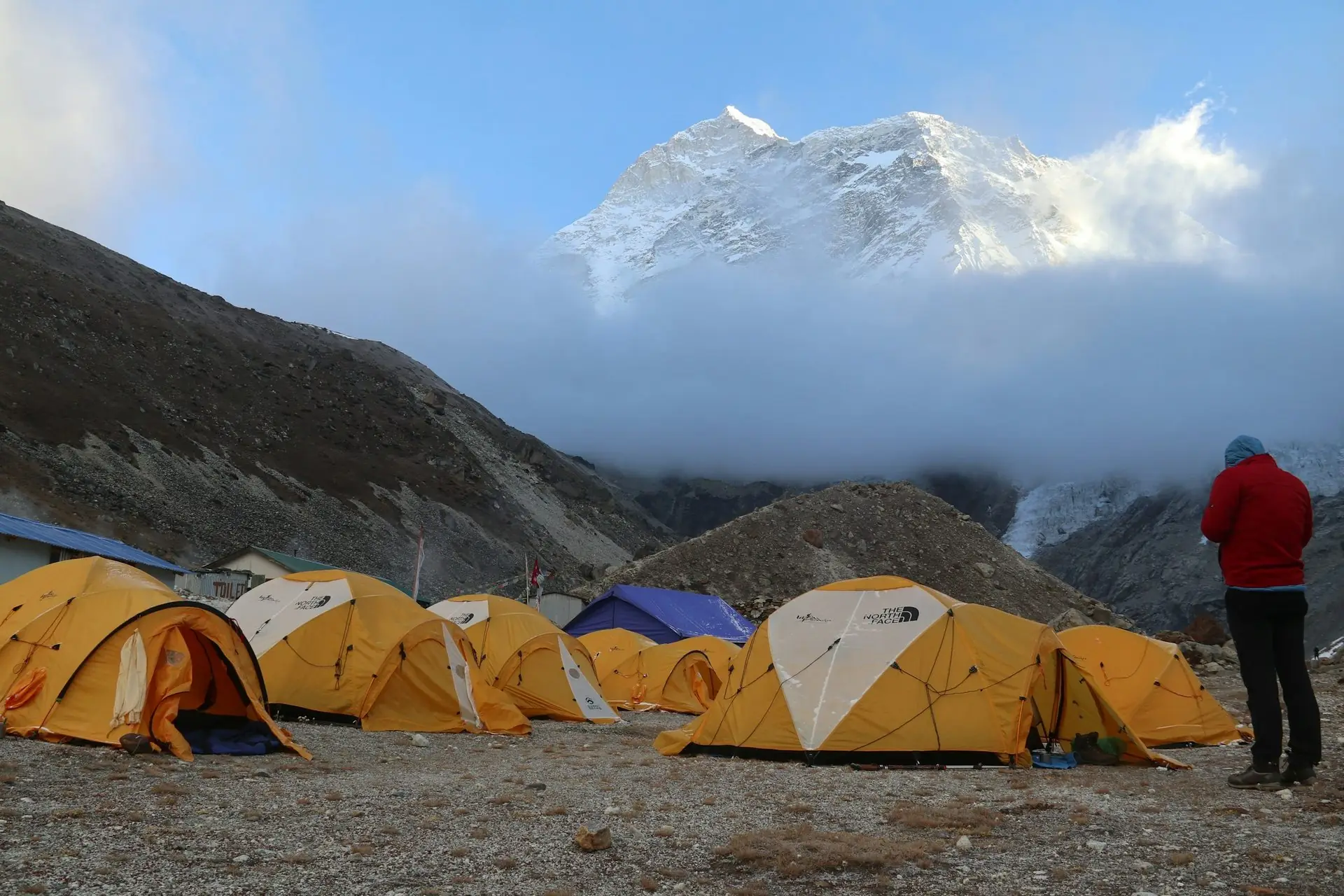
- Everest Region: The trekking base camp of the famous Everest. You will go through Sherpa villages, old monasteries, and glacial sceneries. The tall mountainous ranges are within reach when the weather is clear.
- Annapurna Region: It is diverse in nature, with tropical and subtropical forests, up to high mountain passes. The Annapurna Circuit and Ghorepani Poon Hill trek are some of the popular treks that enable one to view the sunrise over the mountains.
- Manaslu Region: Smaller and isolated, good when you are seeking to be alone. The Manaslu Circuit Trek is a combination of stunning views and exotic cultural experiences, and it weaves across Gurung and Tibetan-influenced villages.
Physical and psychological training.
- Hiking needs endurance and tolerance. Higher distances will even seem difficult over long distances.
- It is necessary to have acclimatization days. Their omission predisposes one to altitude sickness.
- Pre-training light intensity and cardio is beneficial-- consider stairs, hiking hills or easy walks.
- Psychologically, prepare to have longer days, bad weather, and basic living in isolated places.
Best season for trekking
- Spring (March-May): It is clear, rhododendrons are in blossom and warm temperatures.
- Autumn (September-November): Cool and dry weather and clear mountain skies.
- Both seasons are perfect; though monsoon (June-August) can be treacherous because of poor roads and leeches.
Permits and regulations
- The majority of trekking paths entail national park permits (e.g. Sagarmatha National Park, Annapurna Conservation Area).
- Some of their restricted places, such as Upper Mustang or Manaslu, require special permits.
- Carry identification and a copy of permits- rangers can inspect upon the trail.
Mountain Biking
Mountain biking in Nepal does not involve smooth roads and predictable routes anymore; it is dirty, difficult, and full of accidents. The paths are meandering through woods, towns and mountains, and in many cases, they offer the sight of the world that justifies all the progress. All the paths involve both workout and sightseeing, enabling you to observe the sights and cultural areas of the terrain that cannot be reached by vehicle or bus.
Best trails and regions
- Upper Mustang: This is marked by desolate, almost deserted scenery and old Tibetan-like villages. The tracks are arid, open and have breathtaking elevated views.
- Kathmandu Valley: You can get with the same area, and then you will find some forested trails with some technical climbs and some easy downhill trails, all great for half-day adventures.
- Annapurna Region: The tracks here change between green valley into sharp mountain trails, which provide bikers with a blend of nature, difficulty, and local culture.
Trail difficulty
- Novice: Smooth descents in Kathmandu valley or at low altitude in Annapurna.
- Middle-range: Even-surface mixed terrains with a few steep climbs.
- Advanced: Upper Mustang passes are High and long and need stamina, technical ability, and concentration in Annapurna.
Best season
The months of Spring (March-May) and Autumn (September-November) have dry trails and are not very cold, with clear mountain views.
During the monsoon months, avoid the trails; they get muddy and slippery, so biking is not safe.
Gear and local guide tips
- Kathmandu and Pokhara have numerous bike rentals; most of them offer protective equipment and helmets.
- Local guides are inimitable--they are familiar with paths, by-passes, and the least unsafe routes.
- Bring water, snacks, and a little repair kit in case of some unforeseen biking problems.
Rock Climbing
Rock climbing in Nepal is a physical exercise that combines a combination of physical and mental effort. It is more personal than trekking or rafting - you are putting your own power and skill to challenge natural rock formations. Climbing in this place makes you feel a sense of pride and achievement, stunning views and being more attached to the sandy terrain in the Himalayas.
Popular climbing areas
- Nagarjun Forest (near Kathmandu): Provides a natural rock face with different beginner and intermediate climbs. It is ideal for day trips in the area of the city.
- Hattiban (Kathmandu Valley): It has more difficult ascents and a better panoramic view of the valley below. Perfect choice when one wants a combination of difficulty and ease.
The level of skills and the difficulty of the route.
- Beginner routes: More beginner routes have easy grips, and are suitable when it is the first time climbing.
- In between routes: Demand stamina, coordination and a bit of technical expertise. Good in case you would like to challenge yourself, but not to engage in extreme climbing.
- Advanced routes: These are also in less accessible places and may have overhangs and longer routes. Only suitable climbers should be recommended to climb.
Best season
Ideally, dry months are those between autumn (September-November) and spring (March-May).
Rocks are very slippery and unsafe to climb during the monsoon season (June-August); therefore, do not climb during heavy rains.
Licenses and machinery, and safety measures.
- The majority of climbing areas are free and available, although guided climbs are safer and more educational.
- Wear a helmet, harness, and climbing shoes always.
- Before climbing, use the check ropes, carabiners and the belay devices.
- Novices should never be allowed to climb an unguided or uninstructed route.

Ziplining
Ziplining in Nepal is excitement and phenomenal awe combined. You can see flying above beautiful valleys, rivers, and trees with nothing but air and mountains in the background. It is quick, exciting and provides you with a view that cannot be had when hiking or riding a bicycle. The scenery, height, and speed combine to create an adventure that is not too long but memorable.
Best location
Pokhara: Nepal has a very popular zipline just outside the heights and valleys, which is situated in Pokhara. There is a panoramic view of the mountains, lakes, and the river gorges- making it as much of a sight ride as a thrill ride.
Experience details
- One of the steepest and longest ziplines in Nepal is the zipline.
- The speed that you achieve is amazing, and it feels like flying.
- Riders have an option of a seated or prone (flying face-down) position in order to have various experiences.
Age, weight and safety limitations.
- Licensed operators do not play loose with the safety requirements, such as harness, helmet, and rope double-checking.
- It is typically 10 years old, and the weight is approximately 30-110 kg.
- Always observe the staff instructions in order to have a safe and enjoyable ride.
Best time to try
Ideally, spring (March-May) and Autumn (September-November). The ride is smooth, and clear skies and calm winds add to the sharpness of the views.
The mornings tend to be the clearest and the least congested.
To wrap up, every adventure here comes with stunning scenery, cultural encounters, and memories that can’t be found anywhere else. The only question is how far you’re willing to go—and who you want guiding you along the way.
Ready to turn your Nepal adventure dreams into reality?
Partner with Nepal Vision Treks for expertly guided experiences, safe and licensed operators, and customized adventure itineraries that match your style and comfort.