





Can a Beginner Do the North Annapurna Base Camp Trek?
 Nepal Vision Treks
 Feb 6, 2026
 15 Min Read
The North Annapurna Base Camp Trek is a more recent, less traveled path within the Annapurna region, an alternative to the more popular southern ABC trek. Unlike the grim-filled tracks of the south, the route is made up of virgin forests, rocky ridges, waterfalls, and glacial valleys that make the trek feel like an adventure difficult to find elsewhere.
On the trail, hikers can enjoy breathtaking views of Annapurna I and Machhapuchre, explore uncommon spots such as Panchakunda Lake and Sky Cave, and observe glacial moraines up close, making the walk not only a visual wonder but also highly memorable.
Starting at Tatopani or Humkhola near Beni, accessible by road from Pokhara, and then follows a route through remote villages and natural features to the North Base Camp at 4,190 meters. Trekking, depending on the route and trip speed, may also include higher passes, such as Thulo Buge at 4,400 m, which adds adventure and panoramic views to the itinerary.
Although the trail is advertised as an incredible view and an exclusive Himalayan experience, it has its challenges. The trails are underdeveloped, rugged, and sometimes steep, requiring good stamina and vigilance. Therefore, the actual issue is, would this hike be friendly to the novice, or is it a challenge that only the well-experienced adventurer would tackle?
Overview of the North Annapurna Base Camp Trek.
North Annapurna Base Camp Trek (North ABC) is a remote, recently commercialized path in the Annapurna Conservation Area in Nepal, offering an alternative to the more heavily traveled Southern ABC trail. It features the historic Maurice Herzog Trail, first used in the 1950 Annapurna I expedition, and offers trekkers a sense of connection to mountaineering history. This hike is an expression of the Himalayas' untamed, wild beauty, passing through rhododendron forests, Magar villages, rocky ridges, and glacial moraines, with breathtaking views of Annapurna I (8,091m), Machhapuchhre, Nilgiri, and glaciers.
The beauty of the trail is not only in the scenery but also in the feeling of adventure and isolation it creates. In contrast to the southern route, North ABC is not very congested, and trekkers can enjoy the mountains in solitude, interrupted only by a village here and an avalanche there. Along the route, there are also attractions like Panchakunda Lake, Sky Cave, and areas where Himalayan wildlife, such as blue sheep, can be spotted.
The trek covers 50 to 80 km and more than 5,000 m of elevation, which requires stamina and an appreciation for the terrain's difficulty.
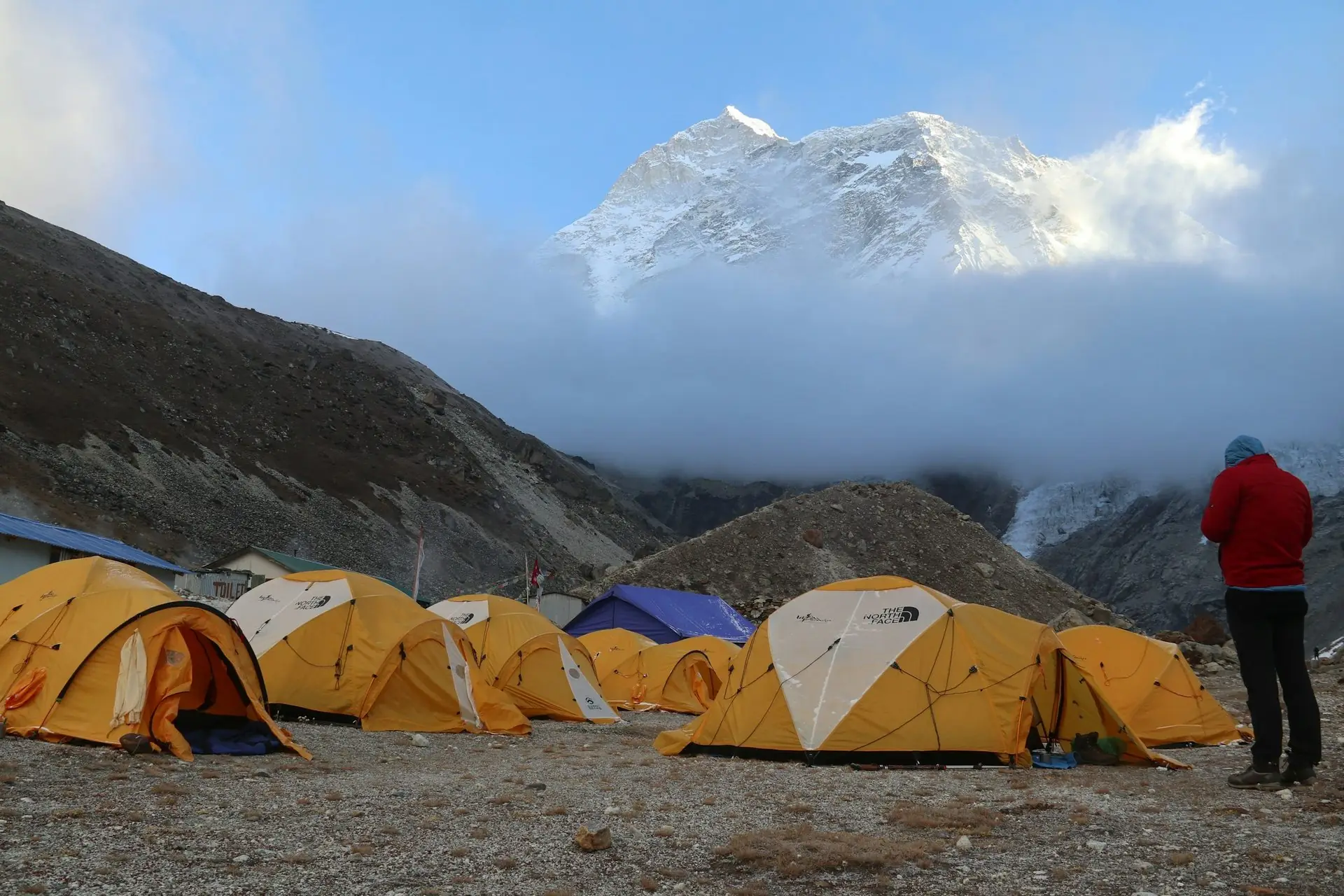
A 46-hour drive to Pokhara by road offers starting points, such as Tatopani or Humkhola, that provide access to remote river valleys, waterfalls, and high ridges, offering instant immersion in the natural environment. Good views like North Base Camp, at 4,190 m, and Thulo Bugin Pass, at 4,400 m, offer Himalayan views that cannot be matched anywhere else, especially during sunrise, when the peaks are likely to turn golden.
North ABC is a physically tough place, and the hiking days are quite long; the trails are irregular and frequently rocky. Basic accommodation is available, but may only go as far as camping or bare-bones teahouses, contributing to the feeling of isolation. This rugged terrain, high altitude, and little infrastructure combine to make it a serious task for those unprepared and indifferent enough, an experience that can only be remembered by those who prepare and are conscious.
Difficulty Level of the North Annapurna Base Camp Trek
The North Annapurna Base Camp Trek (North ABC) is typically considered moderate to challenging and steeper than the southern ABC trail. This is mostly due to the lack of developed paths, increased daily mileage, and rougher surfaces.
Although equipment is not necessary in the trek, it requires a good standard of physical health, strength, and psychological capacity. The standard tours are 5 to 10 days and involve 5 to 9 hours of trekking per day across 70 to 80 km, with the highest altitude up to 4,190 m at North Base Camp and 4,400 m at Thulo Bugin Pass. All these factors make North ABC a serious expedition, even for experienced trekkers.
Terrain Challenges
North ABC route has varied and inconsistent terrain, which challenges balance as well as concentration. Beginning with sites such as Tatopani or Narchyang, the trekkers move along the banks of the Hum Khola, with its slippery rocks and bridges requiring very special attention.
The moraines at the foot of Annapurna I are loose scree and boulders, so one needs to have sound ankles and be careful. The hills and thick forests offer continuous inclines and declivities that are likely to wear the legs out in a very short time.
North ABC lacks the tarmac paths of the southern ABC, which have steps carefully kept in order and are often muddy and prone to erosion, so physical exertion is increased.
Demands of Acclimatization and Altitude.
The difficulty of the trail is largely dependent on the altitude. Severe climbs to 4,190 meters at North Base Camp elevate the risk of acute mountain sickness (AMS), which can cause headaches, nausea, and dizziness. Acclimatization must be done properly, which may require rest days or climb-high, sleep-low plans at intermediate camps, such as Sandhikharka (3,651m).
High camps at night can be very cold (-10 °C), and exposure to the wind can contribute to fatigue. The accommodation is simple: anticipate tents or homestays, not lodges, as this slows down the recovery process as expected.
Physical Fitness Requirements
Trekking North ABC requires endurance and strength in cardio, legs, and core, as well as joint strength. Raised by an average of 500-1,000 m daily on undulating terrain, a challenge to the legs, the core, and the ankles, and long days, which demand prolonged cardiovascular activity.
Balance and flexibility are also essential because river fords, perilous narrow ridges, and loose scree challenge coordination and stability. First-time or unfit hikers, especially those with knee or ankle problems, can find the hike very overwhelming. In total, the net elevation gain for trekkers exceeds 5,000 m, so physical training is needed.
Should Beginners Trek to North Annapurna Base Camp?
The North Annapurna Base Camp (North ABC) Trek is certainly an eye-opener in terms of remoteness and pristine beauty, along a trail that few can rival. The sort of snow-capped mountains, concealed lakes, and glacial moraines make the landscape seem both adventure-challenging and also relaxing. It is not a journey to be made lightly.
Although it can be done by properly prepared people, it requires physical stamina, psychological strength, and planning. The enthusiasm does not spare the mountains; the rugged terrain, the height, and the remoteness of the trails demand respect, preparation, and readiness to work hard.
Is This Trek Suitable for Beginners?
The trail is not ideal for complete beginners in North ABC. This is a more physically challenging, longer, and less established route than the more popular southern ABC trek.
Although the walk does not entail technical walking, it entails passage through:
- Boulder fields and rocky scree.
- River crossings
- Glacial moraines
- Rough, hilly roads and wood paths.
There are a few accommodations on the route, which further contribute to the difficulty, and are typically small teahouses or simple tents. The trek challenges endurance, concentration, and patience that experienced trekkers tend to forget. The novice might easily become physically and mentally exhausted without prior preparation.
What Kind of Beginner Can Do This Trek?
All beginners are unprepared. Some novices will manage to cope with North ABC in case they fulfil the following requirements:
- Previous Hiking Experience: Even short, multi-day hikes in hilly or relatively high regions will help exercise the muscles, joints, and mind for longer distances.
- Good Cardio Fitness: The ability to walk uphill at a steady pace for 2-3 hours.
- Exposure to High Altitudes: Hiking at altitudes over 3,000 meters reduces the risk of acute mountain sickness (AMS) and enables pacing.
- Mental Strength: Caution: Mental strength is needed. One should be comfortable being alone, walking long distances, and dealing with unpredictable weather; in some cases, the only things you find on the path are the wind or a waterfall.
Those beginners who cross these boxes have a good chance of finishing the trek safely and with a pleasant experience, free of unnecessary pressure.
Physical Fitness Requirements for Beginners
North ABC cannot compromise on physical preparation. Key areas to focus on include:
- Cardio Endurance: This is incremental hiking that requires 6-9 hours per day over rough, steep terrain; jogging, bicycling, and climbing are great training.
- Leg and Core Strength: Squats, lunges, planks. This will increase the strength of the muscles required to handle increased elevation, downfalls, and pack weight.
- Balance and Flexibility: The yoga, stretching, and stability exercises will reduce the risk of slips, sprains, and exhaustion when walking on narrow ridges or scree slopes.
Good baseline fitness should be built over time, even for novices, to increase stamina and muscular power and meet the demands of altitude.
Training Plan for Beginners (4–6 Weeks)
With a motivated beginner, North ABC can be achieved with a structured 4-6 week training plan. Preparation is suggested as:
- Weekly Workout Breakdown:
- 3–4 cardio sessions (running, cycling, or brisk walking)
- 2–3 strength sessions (legs, core, and balance exercises)
- 1 flexibility/stability session (yoga or stretching)
- Hiking Preparation: Weekend hikes with varying elevations, ideally 2–4 hours, help the body adapt to long walking days.
- Stair climbing: Repeated stair climbing or hill climbing improves leg endurance and increases cardiovascular fitness.
- Pack Training: During training on hikes, practice of carrying a 10-15kg pack to replicate actual trekking conditions.
Regularity is greater than intensity; gradual advancement will enable the body to adapt safely to the demands of the trek.

Risks Beginners Should Be Aware Of
Even the well-equipped novices should not overlook their possible dangers of the trail, North ABC:
- Altitude sickness: AMS may afflict any person who is above 3000 meters and has the following effects: headaches, nausea, dizziness and fatigue. Acclimatization days and slow pacing are necessary.
- Weather Exposure: Temperatures vary widely between valleys and alpine areas, and sudden rain, wind, or snow is common. It is necessary to have proper layered clothing and rain gear.
- Remote Evacuation Limitations: Assistance can take hours to reach the scene in the event of injury or illness, so planning and care are essential.
- Trail Hazards: There are loose rocks, river crossings and slippery trails that demand attention, appropriate footwear, trekking poles, and concentration.
These hazards can be understood to enable beginners to take the trek with reverence and confidence, thereby increasing their chances of a safe and rewarding experience.
Tips for Beginners to Successfully Complete the New North ABC Trail
- Select the Right Trekking Agency: It is important to choose a reputable agency with certified guides and well-organised itineraries to ensure safety and convenience.
- Get Experienced Guides: Guides offer local information, pacing suggestions, and early signs of altitude sickness.
- Keep Buffer Days: Add 1-2 days of buffer to account for delays on other days and remain safe during acclimatisation.
- Pace Yourself: Do it very slowly and steadily, with little breaks between to prevent exhaustion.
- Control Hydration and Nutrition: Drink enough water and eat small, frequent meals to stay energised and avoid dehydration.
Final Verdict: Should a Beginner Attempt the New North Annapurna Base Camp Trek?
Who Should Attempt
- Beginners with prior hiking experience
- Strong cardio fitness and leg/core strength
- Mental resilience and patience
- Willingness to follow guides, buffer days, and proper pacing
For beginners, North ABC is very difficult yet possible, offering a scenic, less-congested trek and a rewarding experience.
Who Should Avoid
- No experience in trekking or high altitudes.
- People who are not fit, lack balance or stamina.
- People who do not like hiking or camping.
It can be daunting and risky to make an attempt without preparation.
Recommended Alternative Treks for Beginners
As a beginner who would like the Annapurna experience but is not up to high pressure:
- Ghorepani Poon Hill Trek- More low and shorter with panoramic views.
- Mardi Himal Trek- Moderate, not so congested, picturesque.
- Australian Camp or Dhampus Trek- easy trails, cultural experience.
These options enable amateurs to learn, build confidence, and then tackle North ABC.
Ready to Explore North ABC?
Book your trek with Nepal Vision Treks now and step into the heart of the Himalayas!