




Ama Dablam Base Camp Trek Difficulty: The Complete 2026 Guide
 Nepal Vision Treks
 Jul 16, 2026
 14 Min Read
Continuing hikes to find a shorter, less noisy trek to Everest Base Camp always raises the same question: How difficult is the Ama Dablam Base Camp Trek really? The simple answer is that it is in the "moderate" category, challenging enough to require proper preparation, but not too difficult for the first-time trekker.
This guide unpacks all the elements of the hike that determine how challenging it will be for you, from altitude and daily walking time to terrain, season, and fitness level, and helps you determine whether or not this classic hike from the Khumbu is on your bucket list.
What Is the Ama Dablam Base Camp Trek?
Before getting into difficulty ratings and training plans, it is useful to have an understanding of what the trek entails and why it is one of the most popular in the Everest region.
The Ama Dablam Base Camp Trek has its initial few days on the same iconic trail as the Everest Base Camp trek, beginning with a dramatic flight in a helicopter from Kathmandu to Lukla.
From there, the trail winds through the valley of the Dudh Koshi river, passes through swaying suspension bridges, and gradually moves toward the Sherpa villages before splitting off towards Pangboche and reaching the base camp of Mount Ama Dablam.
Each tour lasts from 8 days to 12 days round-trip from Lukla and is definitely shorter than the complete trek to the base camp of Everest, a 12-14 day hike.
The Route at a Glance
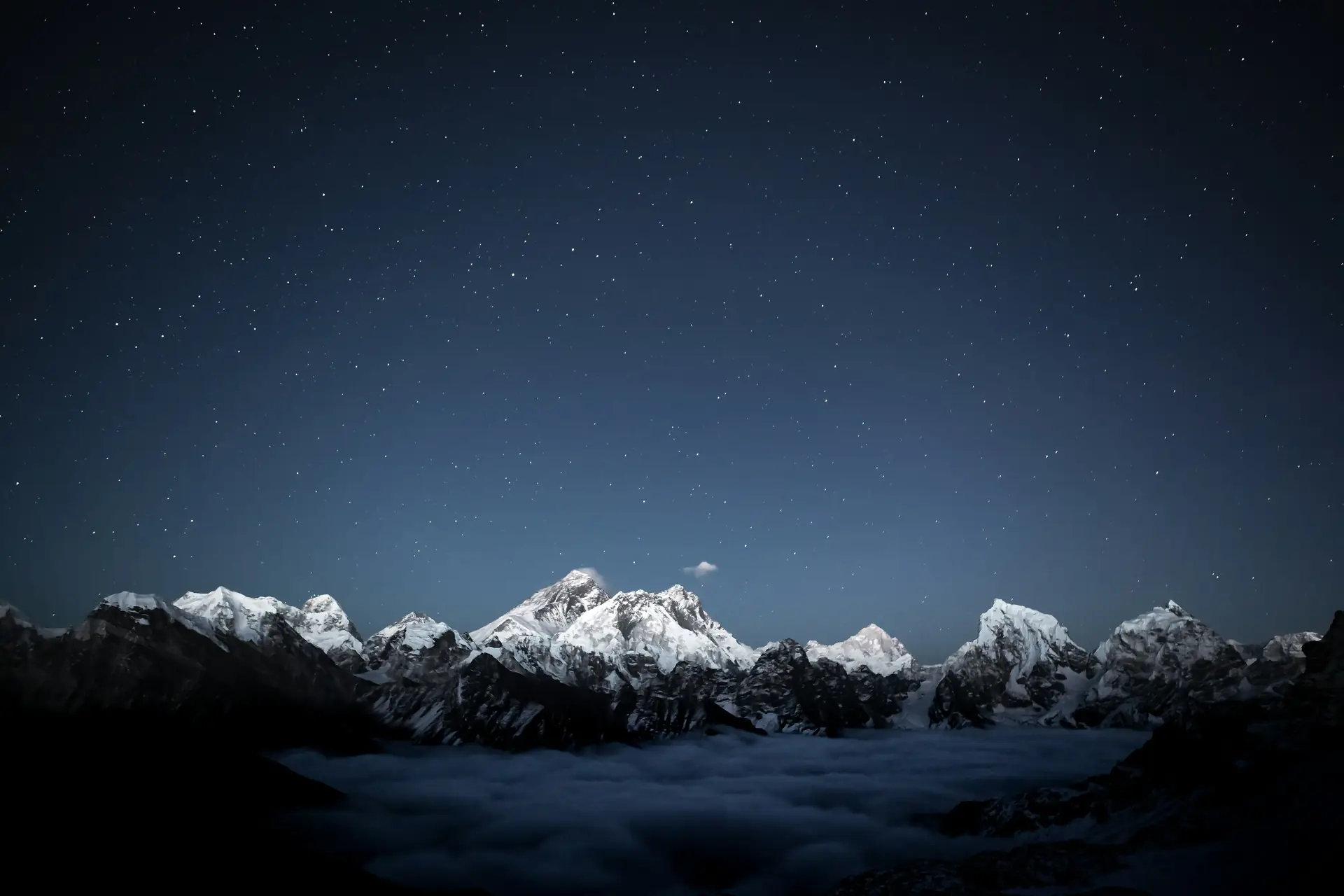
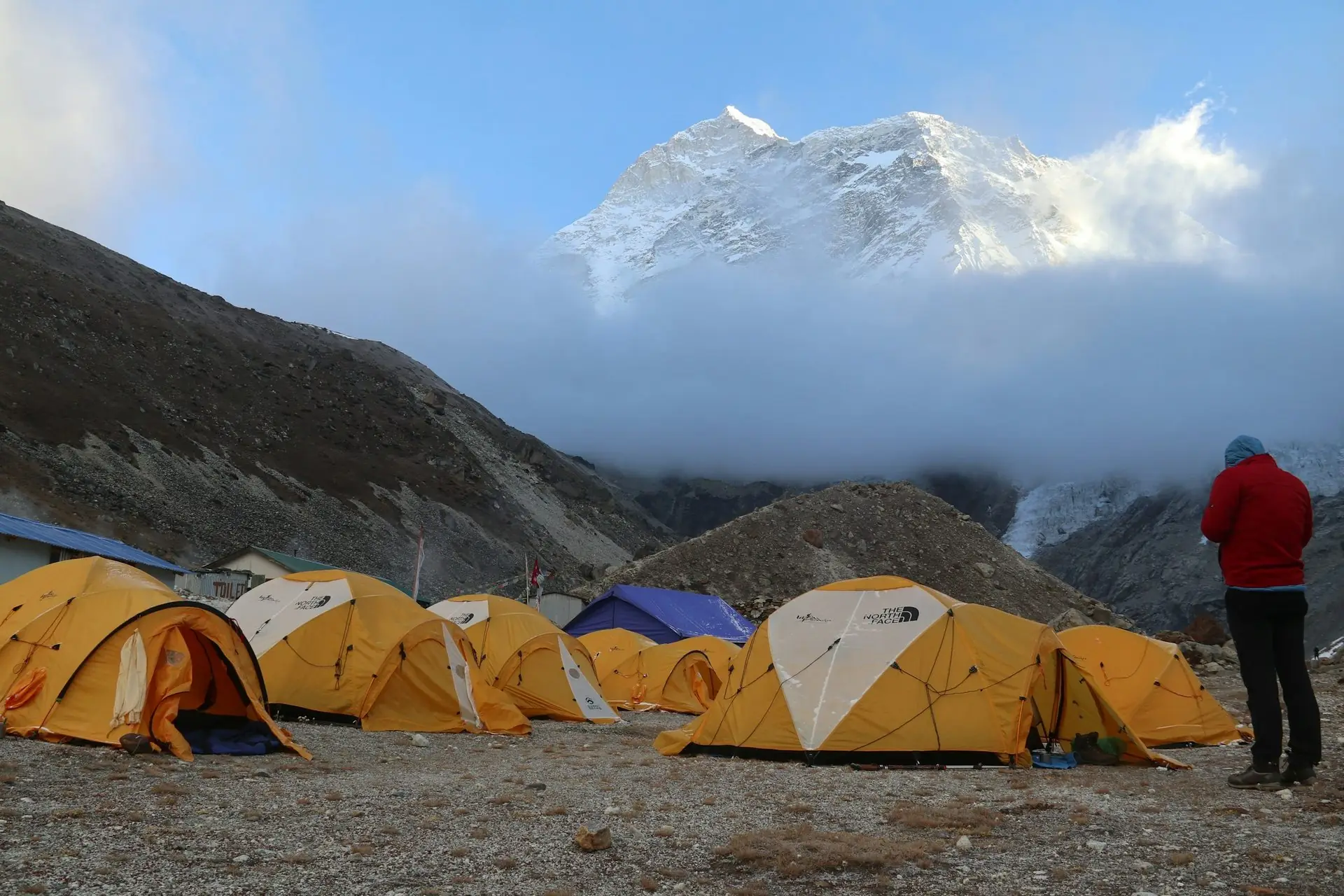
After passing through the village of Phakding and the Bazaar of Namche, the trail goes through Tengboche Monastery, Pangboche, and finally reaches the base camp at approximately 4,600m. Ama Dablam is one of the most photographed mountains in the Khumbu region, with its dramatic ridged shape, and stands 6,812m above the camp and is often referred to as the "Matterhorn of the Himalayas.
This trail is quieter and shorter than the more popular one to Everest Base Camp, but still provides an intimate experience of Everest, Lhotse and Nuptse. It is particularly enjoyable for hikers who have short vacations or those who want to experience the high altitudes without the most extended and high route of the EBCs.
Ama Dablam Base Camp Trek Difficulty Level Explained
While all trekking operators will have some variations in their terminology, most operators arrive at the same conclusion, and knowing what "moderate" truly means in practice will assist you in planning realistically.
The Ama Dablam Base Camp Trek is considered a moderate trek by most trekking agencies, and is sometimes referred to as a "moderate to challenging" trek depending on the specific route and schedule. This rating is not due to one single factor, multiple hours of walking per day, hilly and sometimes steep terrain, high altitude exposure and multiple days at altitude above 3,500 m.
No Technical Climbing Required
This trail is not a true mountaineering route as there are no ropes, crampons or climbing skills required anywhere on this trail. Trails are on well-established trekking trails, and thousands of people come along on them each season, and teahouse lodges are available along the path.
What "Moderate" Really Means
Moderate doesn't imply easy; it means that people with no hiking experience should prepare well in advance, but it is not difficult for anyone in reasonably good condition to prepare sensibly. The same level of difficulty as treks such as Annapurna Base Camp or the Langtang Valley.
Altitude and Its Role in Trek Difficulty
The most significant difficulty multiplier on this trek is altitude, and it's important to be aware of how high you will be and why that is more significant than distance or terrain.
Maximum Elevation and Acclimatization
The peak of the trek, Ama Dablam Base Camp, is at around 4,600m (15,100ft), and the final overnight stop, Pangboche village, is at ~3,930m (12,900ft). From about 3000 m upwards, oxygen levels start to decrease significantly, and most trekkers experience some symptoms by the time they reach Namche Bazaar at 3440 m (shortness of breath, slower pace or mild headache). One standard day of acclimatization can be found in the tour plan, and should never be skipped.
How It Compares to Higher Routes
The good news is that the height of Ama Dablam Base Camp is nowhere near as steep as that of Everest Base Camp at 5,364 m or Kala Patthar at 5,545 m, so it's no wonder many operators say it's a more relaxed and low-risk starting trek to high altitude trekking. However, altitude sickness is a real threat at any height above 2,500m.
Daily Walking Hours and Terrain Challenges
Aside from altitude, the rigors of the hike depend on how much of the day you will have to spend on your feet and the type of terrain you'll be traversing, which is where having realistic expectations is essential.
The average duration of the trek is about 4-7 hours a day, with about 8-hour days on the return or combined treks on Ama Dablam Base Camp and Everest Base Camp.
The path changes from smooth and well-groomed through pine and rhododendron woods to rocky and uneven as you rise in elevation. The last section from Pangboche to Ama Dablam Base Camp is known to be the most difficult part of the trek, featuring a very rough and steep path.
A number of suspension bridges will also be crossed over the Dudh Koshi and the Imja Khola rivers, which can be quite unsettling for first-timers but are wholly safe. It does not need to be technical, but fatigue and all that jumping from day to day and jumping from day to day and getting thinner and thinner air can all take their toll.

Ama Dablam vs Everest Base Camp Trek Difficulty
So many trekkers take both of these routes by cross-shopping; it is worthwhile making a direct side-by-side comparison of what difference they make in terms of physical demands.
Shared Trail, Different Endpoints
The first few days are almost the same for both treks as they start in Lukla, pass through Phakding, and Namche Bazaar. The split occurs at Pangboche; Everest Base Camp trekkers continue to trek for several more days to Dingboche, Lobuche, and Gorak Shep, while Ama Dablam Base Camp trekkers take a shorter and lower final push that will take them to 4,600m.
Crowds, Duration, and Overall Demand
This disparity results in a shorter overall trek, less cumulative height gain, and a generally lower chance of serious altitude sickness for the Ama Dablam route. These are also much busier in Everest Base Camp, with more foot traffic and cramped teahouses during the high season, and Ama Dablam Base Camp is not as loud or as exhausting, but with the same breathtaking Himalayan views.
Physical Fitness and Training Tips
There is no substitute for real physical preparation, and this is the part that will affect you most.
Creating a Training Timeline
A consistent rule for trekking operators is to begin a fitness regimen 2-3 months before the trip. The ability to walk comfortably with a daypack for 5-7 hours is a good starting point, as most trekking days require this.
Highlight the major exercises that you need to focus on.
- Cardiovascular activities – Running, cycling, swimming or climbing the stairs 3–4 times per week to develop lung capacity and stamina.
- Strength of leg and core exercises – Squats, lunges and step-ups to build the strength to walk for long periods uphill and downhill.
- Hiking practice with weight on the back — Walking up hills or stairs while carrying a loaded backpack, as it mimics trail conditions.
Mental Preparation Matters Too
Long days of trekking, the lack of amenities at many teahouses and the unpredictable weather all challenge patience and resilience, so having some flexibility in your approach makes the trek much less taxing.
Permits and Preparation
There are also logistical challenges to consider, which can have just as big an impact on how well (or badly) the trek goes, so get the paperwork sorted out beforehand.
Required Permits
The Ama Dablam Base Camp Trek requires two permits: TIMS (Trekkers' Information Management System) and a Sagarmatha National Park entry permit, as it crosses the Sagarmatha National Park. This route is not located in a restricted area and therefore does not require any additional permits beyond these two.
Insurance and Documentation
It is strongly advised to take comprehensive travel insurance policies that include high-altitude trekking coverage, medical evacuation and emergency helicopter rescue, as most travel insurance policies do not include all these at high altitudes. The necessary documents include a valid passport, a Nepal tourist visa, and a few other essential documents.
Packing Essentials
Packing well is part of managing the difficulty of the trek, and having the right gear not only makes the trek more comfortable, but it is equally important for safety and minimizing physical strain.
These include sturdy, well-worn hiking boots, moisture-wicking layers, a warm down jacket, a comfortable subzero sleeping bag, the right trekking poles to reduce knee pain during descents, and a capable daypack.
Packing a portable power bank and quick-dry essentials is useful as it becomes necessary to pay for electricity and hot showers as you ascend. If you do not want to take the weight of the heavy gear on the flight, trekking gear can be rented in Kathmandu or Namche Bazaar..
Who Should Do This Trek?
Having stated all of the difficulty factors and so on, it's good to perform a simple “gut check” as to whether this particular hike is what you're looking for, and what your fitness level is at.
A Good Fit For
Anyone who is reasonably fit, has a few weeks to train, has already been hiking, and needs to find a vacation that's quieter than hiking up to Everest Base Camp, or anyone looking for a more relaxed experience than Everest Base Camp, but still enjoys the mountain views.
Not the Best Fit For
People who want a low-effort walking holiday will not be expecting it to be easy – this is a journey that requires a number of hours of walking a day and exposure to high altitudes. This hike can be done safely and successfully by most reasonably healthy adults with proper preparation, equipment, and respect for acclimatization.
To wrap up, the Ama Dablam Base Camp Trek difficulty rating of "moderate" holds up well in practice: it's demanding enough to require real training and altitude awareness, yet accessible enough that it doesn't demand technical climbing skills or elite athletic ability.
By training a few months in advance, choosing the right season, respecting acclimatization days, and packing properly, most trekkers find that the reward standing beneath one of the most beautiful peaks in the world is well worth the effort it takes to get there.
Looking for a less crowded Everest region trek?
Choose the Ama Dablam Base Camp Trek with Nepal Vision Treks and enjoy spectacular mountain scenery with a trusted local trekking company.