Trip Overview
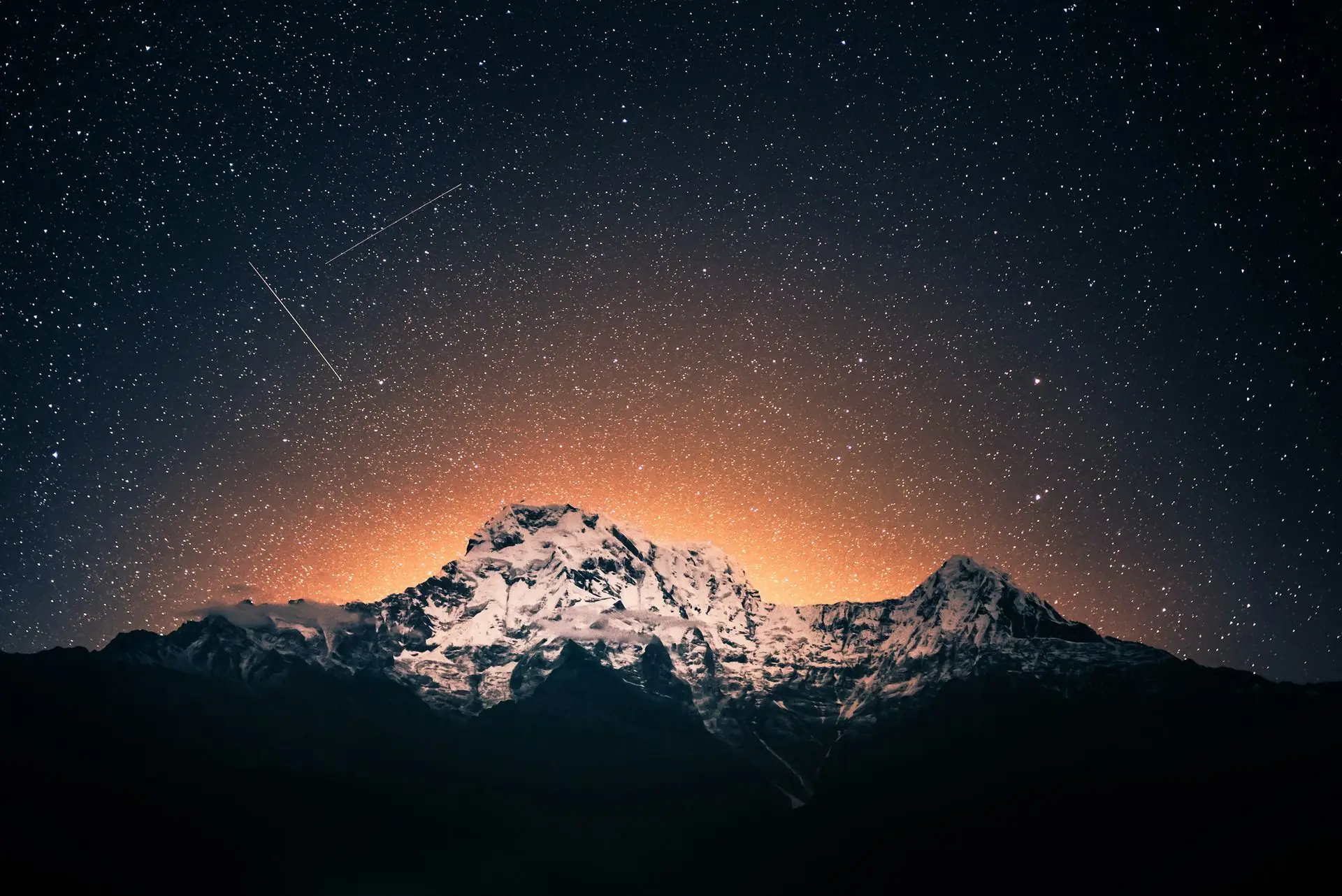
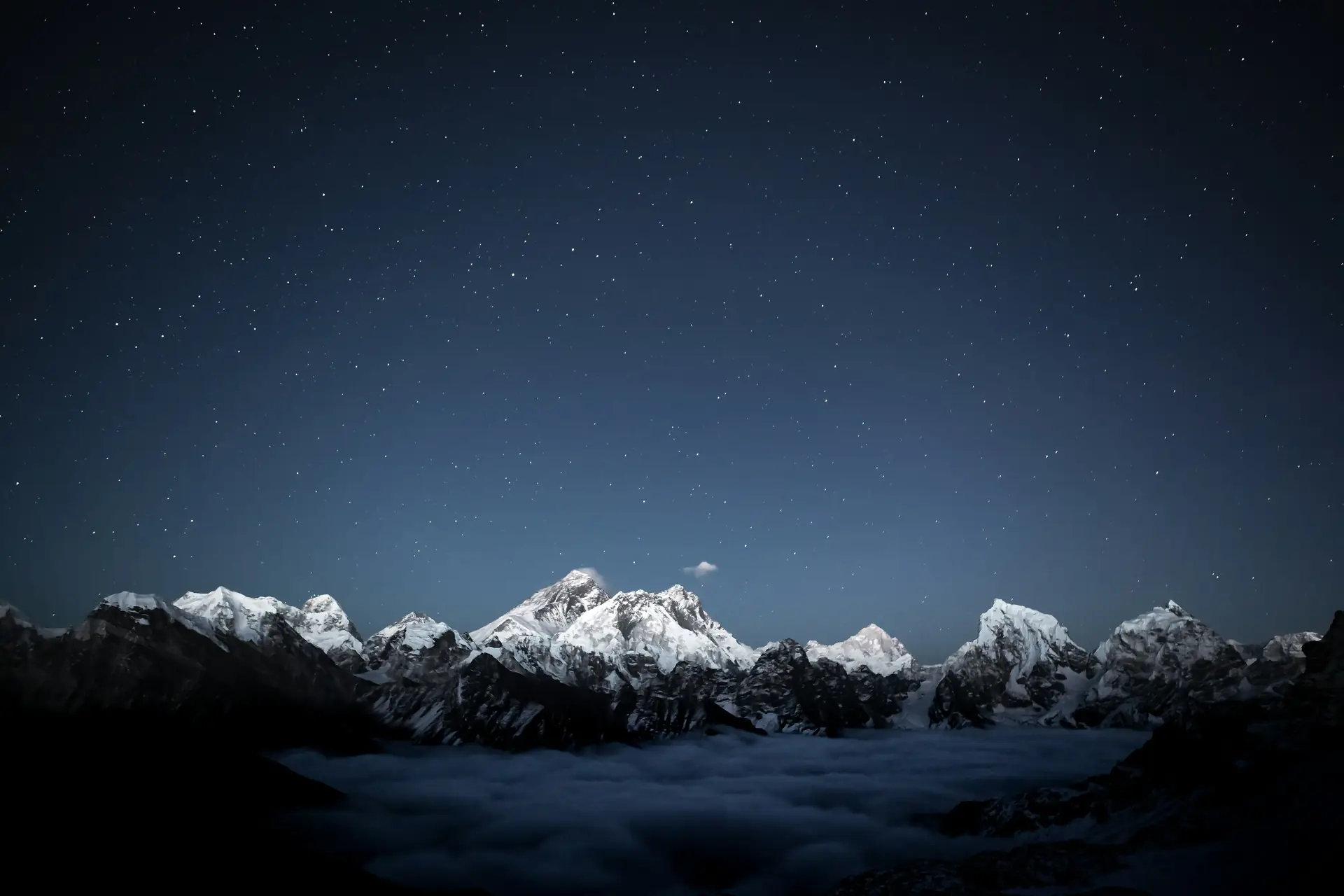
Everest Base Camp trek via Jiri has a number of stunning attractions; including trekking through the Solu area and traversing the great Lamjura pass filled with excellent views of the high, snow-capped peaks. The portion of the trek from Jiri to Phakding is often quiet and the terraced hillsides and small villages are much better trekking to the country. Other attractions include the spectacular scenery of the Himalayan ranges, the prevalent Himalayan culture, the pristine forest of rhododendron and pass through traditional rural farming villages. The Everest trek involves a great deal of uphill and downhill walking and gives you an opportunity to observe the daily activities of the local people and their traditional way of life that has been preserved and practiced for thousand of years. Everest Base Camp trek via Jiri include all the highlights of the Everest National Park including Namche Bazaar, Khumbu's Sherpa capital, an extraordinary viewpoint of Kalapathar (5545m/18187ft) and ever exciting Everest Base Camp.
Sample day on "Everest Base Camp Trek via Jiri"
Each evening is spent as per your interest for reading or chatting with the fellow trekkers and crew members or a pack of cards is an advantage; the crew love teaching various Nepali card games and learning new Western games. Our porters and Sherpa's also like to have singing and dancing competitions in which they love you to join in! Finally, it's off to bed for a well deserved night's rest before you start it all again.
Outline Itinerary
Detail Itinerary for Everest Base Camp Trek via Jiri
Day 01: Arrival day in Kathmandu (1,300m/4,264 ft)
Welcome to Himalayan country of Nepal. Upon your arrival at the Tribhuvan intl. airport our representative welcomes you and assists to transfer in your hotel in Kathmandu. After time to get refreshed, evening you'll meet and transfer for welcome dinner in one of the typical Nepalese restaurant in the heart of Kathmandu and briefing about your trip and overnight at Hotel.
Day 02: Kathmandu valley sightseeing & trek preparation (1,300m/4,264 ft)
After breakfast the day will start to our guided trip to cultural world heritage sites in Kathmandu valley; the pilgrimage sites of Hindus temple Pashupatinath, the world biggest Bouddhanath Stupa and visit Swoyambhunath Stupa also known as monkey temple. After exploring the surrounding areas visit historical Kathmandu Durbar Square with temple, unique architectures and Kumari (living goddess). Evening pre-trip discussion and introduce with our fellow trekking staff for your adventure trip.
Day 03: Kathmandu to Jiri (2,370m/7,774ft), 8-9 hrs drive
This morning we leave Kathmandu for our long trek to Everest. Drive by local bus to Jiri through the beautiful Nepalese countryside. Jiri is big town and also a hill station, explore the surrounding area and overnight at the hotel.
Day 04: Jiri to Bhandar (2,190m/7,183ft), 5-6 hrs walk
Today we start our adventurous trek and this trails offers us beautiful country side scenery from each ridge top and we passing through friendly villagers and farm fields. We pass many down hills and uphills till reach to a small settlement at Bhandar. You can enjoy the remaining day exploring the local villages.
Day 05: Bhandar to Sete (2,575m/8,446ft), 4-5 hrs walk
After breakfast we start our trek leads to a down hill at Likhu Khola, after crossing the bridge, the winding path leads us to a small nice village at Kinja. After lunch a slow long up hill climb continues passing through numerous farm houses and terrace fields with great excellent views of the surrounding landscapes and distance villages and after few hours of long haul, finally reaching at Sete, a small Sherpa village situated on the ridge in the middle of the rhododendron forest.
Day 06: Sete to Lamjura pass (3,530/11,578) to Junbesi (2,680m/8,790ft), 6-7 hrs walk
Today's' walk leads to a gradual climb passing through few small scattered farm houses and teahouses through the beautiful rhododendron forest, reaching at Lamjura Pass, which is the highest point between Jiri and Namche Bazaar. The trail then descends through the forest and emerges after one and half hrs at Taktor. Traverse on the north side of the valley round a notch before dropping down to the Sherpa village of Junbesi for an overnight stop.
Day 07: Rest day at Junbesi (2,680m/8,790ft)
The region around Junbesi is well worth exploring and a day spent here can offer a variety of alternatives. Two hours' walk to the north of Junbesi is the village of Phugmochhe, where there is a traditional Sherpa art centre. En-route to Phugmochhe a short diversion will allow a visit to Thubten Chhuling, a huge Tibetan Buddhist monastery about one and half hour's walk from Junbesi or relax whole day exploring around with overnight in the Lodge.
Day 08: Junbesi to Nunthala (2,330m/7,642ft), 5-6 hrs walk
Below Junbesi the trail crosses the Junbesi Khola on a wooden bridge. Just beyond the bridge there is a trail junction. The route to Khumbu follows the left-hand trail that leads uphill. This trail turns north, descending through Salung. From here, Mt. Everest can be seen on a clear day towards north east. We follow the shepherds' huts and the hidden route in dense forest with several picturesque streams on wooden bridges just before reaching Nunthala (Mani dingma) at 2,320m and overnight stay here. Nunthala is a village an ideal spot for the overnight stop.
Day 09: Nunthala to Bupsadanda (2300m/7,544ft), 5-6 hrs walk
From Nunthala our path descent which continues to the Dudhkoshi River Bridge and the trail lead through terraced fields and yards of houses. Walk continues through forests then climb on the terraces to reach the Rai village of Jubing (1,667m/5467ft). From Jubing the path took us a slow climb to the village around a ridge, and continues to the village of Khari Khola to push on up the steep hill to Bupsa.
Day 10: Bupsadanda to Surkhe (2,290m7, 511ft), 4-5 hrs walk
Today our trail ascends from Bupsa and head on to Bhumsing village (2,300m/7544ft) and the trail continues to the north side of the valley to reach Puiyan village (2,796m/9170ft). After Puiyan trail leads us on the long winding trail with few small ups and downs to Surkhe.
Day 11: Surkhe to Phakding (2,610m/8,561ft), 4-5 hrs walk
After breakfast we start to climb to north to Chaurikharka(2,713m/8898ft) a large scattered village with monastery and high school. Chaurikharka is also the bread basket for the Khumbu area because the land is very fertile for barley, wheat and enough green vegetables. Today our trail joins from Lukla towards Phakding, making the path quite busy with more trekkers, porters and pack animals and few hours of good scenic walk brings you at Phakding for the overnight.
Day 12: Phakding to Namche Bazaar (3,440m/11,283ft), 5-6 hrs walk
After breakfast we will continue up the banks of the Dudh Kosi, crossing it twice by small suspension bridges before reaching the village of Monjo the entrance gate of the Sagarmatha National Park. When enter the National park boundary we descend and a gradual walk brings us to the suspension bridge over the Bhote-Koshi river to Jorsalle village, the last village till Namche Bazaar. Namche is a prosperous trading town and the capital of the Khumbu Region.
Day 13: Acclimatization day at Namche Bazaar.
We will spend a day in Namche Bazaar resting and allowing our bodies to become acclimatized to the altitude of (3,440m/11,283ft). You have full day leisure or visit Everest View Point hotel for wonderful panoramic view or stroll around the market, if Saturday can be seen many people in Saturday market for shopping to fulfill their daily needs and only one shopping market in the surrounding areas. Also you can visit Sherpa Museum as well a great place to learn Sherpa culture and history of mountaineering and stroll back to hotel for overnight.
Day 14: Namche to Tyangboche (3,867m/12684ft), 5-6 hrs walk
Today after breakfast we start our trek with pleasant walk through the forest with magnificent view of mountains. The great view of the mighty peaks of Everest, Nuptse, Lhotse, Ama Dablam, Thamserku and Kwangde peak with view of the eastern snow capped mountains. The trail leads up hill through the forested path and the hardly walk to get to Tyangboche. One of the most beautiful place in the Himalaya and the first thing that comes to your eye is the big Monastery, then the large field with campsites and teahouses, lodges beneath the towering majestic beautiful peak Ama Dablam.
Day 15: Tyangboche to Dingboche (4,358m/14,295 ft), 5-6 hrs walk
The trail descends down from Tengboche, winding through the rhododendron forest to Deboche and crossing a bridge over the raging Imja Khol River. Hug the valley wall, and then traverse the plains to Dingboche, the start of the Imja Tse Valley. Dingboche is also the gateway to Chukung and farther beyond for the most challenging traverses towards Makalu area and Hinko Valley via Sherpani col 6,100m/20008ft and Amphu Laptsa pass 5,780m/18958ft.
Day 16: Acclimatization day at Dingboche
On this day you will rest before the last leg of the journey. You may have full day rest or there are some places where you can go for a day walk like trek to Chhukung (4,730m) is worth while which takes approx. 3-4 hours from Dingboche, towards east with in the Imjatse Valley, although the trek is gradual, however you can feel the thin air as the altitude gains slowly coming towards Chhukung. At Chhukung, there are few teahouses overlooking superb view of the snow capped peaks and glaciers After enjoy stroll back to Dingboche for overnight.
Day 17: Dingboche to Lobuche (4,928m/16164 ft), 5-6 hrs walk
Tackle the steep incline to the terminal moraine of the Khumbu glacier, continuing along the rugged route to your resort at Loboje. Above the huts looms the famous Lhotse Ridge.
Day 18: Trek to Gorakshep (5,160m/16,929ft) & Everest base camp (5,316m/17,437ft), 7-8 hrs walk
After breakfast we continue our trek in a windy and rocky path with the wonderful view of Mt. Pumori, Mt. Nuptse and other magnificent peaks. After check in the hotel at Gorekshep we continue climb to the top of Kalapatthar (the famous view point). This small peak offers the best views of Mt. Everest, Pumori and Ama Dablam you can get without climbing. Stroll back to Gorekshep for overnight.
Day 19: Kalapathar (5,550m/18,204ft) hike and stroll back to Pheriche (4,200m/13,776ft), 6-7 hrs walk
After breakfast our adventure continues towards Everest Base Camp and to the Khumbu Ice-fall. The trail passes through over rocky dunes and moraine and streams, till you reach the base camp. In Everest Base Camp the climbers gather for summiting Everest during the high expedition season. We are continuing the trek for return back to Gorakshep and continuous back to Pheriche for overnight.
Day 20: Pheriche to Kyanjuma (3,500m/11,480ft), 5-6 hrs walk
Heading down now, the going is easier and the pace faster. Take back great memories with you and walk down hill towards the Phungithanka vis Tangboche and after crossing the suspension bridge over the Dudh Koshi river trek onwards to the Kyanjuma the junction of the trinity ways to Gokyo Valley, Khumjung village and Namche Bazzar. Great view of Ama Dablam, Thamserku, Tawache and Lhotse as well as dense wildlife of some species of Pheasants, Himalayan Griffons, Musk deer and wild goat can be found insides the rhododendron forest, evening explore small surrounding area with magnificent scenery.
Day 21: Kyanjuma to Khumjung to Monju (2,850m/9,348ft), 6-7 hrs walk
Today after breakfast short climb to hidden valley called Khumjung village, probably the biggest village of the areas and visit Hillary school established by Sir Admund Hillary and visit to Khunde village where a place of famous climber and big hospital running by charity, after a great moments take back to Namche Bazzar for lunch via Syangboche airstrip which is the world highest airstrip. We walk back to the downhill for overnight at Monju.
Day 22: Monju to Lukla (2,800m/9,186ft), 4-5 hrs walk
After breakfast we trek back with enjoying the lush green scenery around and passing through the incredible mountain scenery and local Sherpa village. And finally today the trail leads you back to Lukla. After your arrival in Lukla you will have time to relax and celebrate the completion of your trek.
Day 23: Fly back to Kathmandu.
After an early morning flight to Kathmandu our guide transfer you to your hotel. You may have time to relax after long journey and take back your breath and rest at your hotel with ending your Himalayan trip with us.
Day 24: Leisure at Kathmandu
It's also spare day in case of bad weather in Lukla. This pleasant day you may have full day at leisure at your own or can be extends your extra trip with us on additional cost or time to explore the Thamel for last day shopping and evening company will meet you for the farewell dinner.
Day 25:
Departure from Kathmandu
Today is free or last minute shopping for souvenirs or gift to your family, friends or relatives for you until your departure flight/drive or to commence any extra trips or activities you may have booked with us. If departing, you'll be transferred to the International Airport for your departure flight to your onwards destination.
We wish you a wonderful Himalayan adventure with us!
Prices
$1680 per personPlease Check Our Fixed Departure Dates & Pricing for year 2010 in Departure Dates Tab
Inclusions:
- All ground transportation by private vehicle in Kathmandu
- Deluxe twin sharing accommodation in Kathmandu with breakfast
- Welcome & farewell dinner in Kathmandu
- Sightseeing trip with city tour guide in Kathmandu as per itinerary & monument entry fees
- All domestic airfares as per the itinerary
- Full board meal (breakfast, lunch, dinner, tea & coffee) in during the trek
- Comfortable accommodation on teahouse/lodge during the trek
- Trek leader (English speaking, First Aid and eco trained), Sherpa helper, and all payments
- Sagarmatha National park entry fee and necessary permits
- Down jacket and four seasonal sleeping bag
- Nepal Vision duffle bag
- Exclusive medical kit bag
- All government and local taxes
- Visa fees, intl. airfare & departure taxes
- Excess baggage charges
- Lunch and dinner in city
- Travel and rescue insurance
- Personal expenses e.g. phone calls, laundry, bar bills & extra porters
- Tips for driver, guides and porters
- Any extending trips
- Services doesn't include in service inclusive column
All prices are in US dollars and do not include international airfare, unless otherwise noted.
Departure Dates Everest Base Camp Trek via Jiri
We provides a series of fixed departure trek, tour and expeditions in Nepal, Tibet, Bhutan and India. If you are single and wishing to be with a group, you can join our fixed departure schedule. If the schedule dates are not convenient for you, contact us & let us know; we are more than happy to customize our trips to suit your needs. If any individuals or group doesn’t wants to join with our other group we can operate as per your wishing way. We are ground operator of these Himalayan destinations and able to arrange your trip as per your interested date and choice.
Check Other Avilable Dates for Year
Start Date |
End Date |
Availability |
Price |
Booking |
Wed 24 Mar, 2010
|
Sat 17 Apr, 2010
|
Available |
US$
1680 |
|
Wed 31 Mar, 2010
|
Sat 24 Apr, 2010
|
Available |
US$
1680 |
|
Tue 6 Apr, 2010
|
Fri 30 Apr, 2010
|
Available |
US$
1680 |
|
Tue 13 Apr, 2010
|
Fri 7 May, 2010
|
Available |
US$
1680 |
|
Tue 20 Apr, 2010
|
Fri 14 May, 2010
|
Available |
US$
1680 |
|
Tue 27 Apr, 2010
|
Fri 21 May, 2010
|
Available |
US$
1680 |
|
Mon 3 May, 2010
|
Thu 27 May, 2010
|
Available |
US$
1680 |
|
Tue 11 May, 2010
|
Fri 4 Jun, 2010
|
Available |
US$
1680 |
|
Wed 19 May, 2010
|
Sat 12 Jun, 2010
|
Available |
US$
1680 |
|
Thu 27 May, 2010
|
Sun 20 Jun, 2010
|
Available |
US$
1680 |
|
Mon 7 Jun, 2010
|
Thu 1 Jul, 2010
|
Available |
US$
1680 |
|
Thu 17 Jun, 2010
|
Sun 11 Jul, 2010
|
Available |
US$
1680 |
|
Sat 26 Jun, 2010
|
Tue 20 Jul, 2010
|
Available |
US$
1680 |
|
Mon 2 Aug, 2010
|
Thu 26 Aug, 2010
|
Available |
US$
1680 |
|
Tue 10 Aug, 2010
|
Fri 3 Sep, 2010
|
Available |
US$
1680 |
|
Wed 18 Aug, 2010
|
Sat 11 Sep, 2010
|
Available |
US$
1680 |
|
Thu 26 Aug, 2010
|
Sun 19 Sep, 2010
|
Available |
US$
1680 |
|
Wed 1 Sep, 2010
|
Sat 25 Sep, 2010
|
Available |
US$
1680 |
|
Wed 8 Sep, 2010
|
Sat 2 Oct, 2010
|
Available |
US$
1680 |
|
Thu 16 Sep, 2010
|
Sun 10 Oct, 2010
|
Available |
US$
1680 |
|
Fri 24 Sep, 2010
|
Mon 18 Oct, 2010
|
Available |
US$
1680 |
|
Fri 1 Oct, 2010
|
Mon 25 Oct, 2010
|
Available |
US$
1680 |
|
Thu 7 Oct, 2010
|
Sun 31 Oct, 2010
|
Available |
US$
1680 |
|
Sun 10 Oct, 2010
|
Wed 3 Nov, 2010
|
Guaranteed |
US$
1680 |
|
Thu 14 Oct, 2010
|
Sun 7 Nov, 2010
|
Available |
US$
1680 |
|
Thu 21 Oct, 2010
|
Sun 14 Nov, 2010
|
Available |
US$
1680 |
|
Thu 28 Oct, 2010
|
Sun 21 Nov, 2010
|
Available |
US$
1680 |
|
Wed 3 Nov, 2010
|
Sat 27 Nov, 2010
|
Available |
US$
1680 |
|
Wed 10 Nov, 2010
|
Sat 4 Dec, 2010
|
Available |
US$
1680 |
|
Wed 17 Nov, 2010
|
Sat 11 Dec, 2010
|
Available |
US$
1680 |
|
Wed 24 Nov, 2010
|
Sat 18 Dec, 2010
|
Available |
US$
1680 |
|
Sun 5 Dec, 2010
|
Wed 29 Dec, 2010
|
Available |
US$
1680 |
|
Sun 12 Dec, 2010
|
Wed 5 Jan, 2011
|
Available |
US$
1680 |
|
Sun 19 Dec, 2010
|
Wed 12 Jan, 2011
|
Available |
US$
1680 |
|
Tue 28 Dec, 2010
|
Fri 21 Jan, 2011
|
Available |
US$
1680 |
Useful information before joining this trip
Our Effort
Our every effort will be made to keep to the proposed itinerary, however as this is adventure travel in a remote Himalayan region, we cannot
guarantee it! Weather conditions, the health of member can all contribute to changes the itinerary. The leader will try to ensure that the
trip runs according to plan, but please be prepared to be flexible if necessary. Please note that the flights to and from Lukla are dependent
on the weather and delays can happen. If you have to wait in Kathmandu at the beginning of the trip your overnight accommodation is included
and you will not have to pay extra for this.
In our itinerary one extra day in Kathmandu is included at the end of the trip in case of delays flying from Lukla. If you are delayed longer than this we can help reschedule your international flights however there is likely to be a fee charged by the airline for this. You will also have to pay for all additional costs incurred in Kathmandu such as accommodation and meals.
Trekking Group
Nepal has abundance of offers to establish it as a round the year travel destination. Based on this fact, many international tourists are indeed incorporating Nepal in their wishful travel itinerary. For this Everest Base Camp Trek via Jiri, in our trekking group there will be one Trek leader, one assistant leader and one Sherpa porter for each group of two trekkers. This arrangement ensure that if anyone of them gets sick, the trip can still go ahead as we planned. we can operate this trip to any size group but generally our group consist of two peoples to ten. However if you having a group more than 10 person, this trip can be easily arranged as well. Also for single travelers, we organize the trip with single supplement. It is good to keep suggested group size which ensure that we can provide best services and personal take care to our valuable clients during Everest Base Camp Trek with us.
Physical and Mental Requirements
Trekkers who are making their plan to travel in the Himalaya, most require three basic components of preparation - aerobic, strength, and
mental. Aerobic conditioning is important primarily because you will trekking in thin air, up to 50% less than at sea level. With good
aerobic conditioning you will be able to minimizing the potential effects of Altitude Mountain Sickness (AMS). Hiking for at least two hours
per day with some weight on your back is the best way to prepare yourself for trekking. Running, cycling (outdoor or stationary), Nordic
track, hill climbing, or any exercise that gets your heart rate into the aerobic range for sustained periods of time.
Every day you will walk in the Himalaya around 4 to 7 hrs and reaches at highest place to 5550m/18204 feet. So, health is a most essential part for your adventure travel. Nepal Vision treks most require your medical fitness certificate prior to your booking. Before the trip booking with us we suggest to consult with your Medical Doctor and in his/her references go for your trip booking process.
Trekking in the Himalayas is a relatively safe activity and mishaps or problems are usually minor. However, unpleasant things can occur on a long trek. You might have a bout of mild illness, not sleep as well as usual, find the trek pace too fast or slow - any number of things might be annoying or stressful during some part of your trek. Before you leave for Nepal, or for any foreign destination for that matter, think about the journey as more than just a quest to reach a destination. Try to imagine your trip as an opportunity to experience whatever happens as an essential part of the journey. It doesn't matter so much whether you actually reach Everest Base Camp. You should be prepared to find joy and fulfillment in all the moments of your trip, including the less pleasant ones that you hadn't expected. Preparing to keep a very positive frame of mind throughout your trip, along with good physical conditioning, will insure that you are ready to experience all the wonders of Nepal very safe and successfully.
Our Trek Leaders and Staffs
Your Trek Leader's role is to ensure all aspects of the trip run smoothly. He will share their local knowledge, advice on how to fill your
free time and co-ordinate the day to day running of the tour - although occasionally he may need your understanding if things do not go
according to plan. If you have any problems on the tour, please let your Trek Leader know so that steps can be taken to put it right.
We are a well stabilized adventure company and we employed professional trek leader (who are based on English speaking and few are multi-lingual's) and required crew member (they have basic knowledge of communication). We also provide the training to our staff increasing their work efficiency. And our guides are intimately familiar with all local castes and customs along the trails and will share with you many cultural insights that are not covered in any guide book. You will have good chance to learn Nepali phrases, cultural things and more on your Trekking. Nepal Vision trained its guide/trekking staff on following course.
Our Experience
Nepal Vision has been operating in the Himalaya for over 15 years and specializes in responsible travel. We offer small group adventure expeditions to Nepal, Bhutan, Tibet and the Indian Himalaya. Our unrivalled itineraries reflect our long experience in the region. All our treks are accompanied by a highly experienced local leader ensuring safe acclimatization at every stage. You can hike, mountaineer and climb your way through the homeland of the adventure holiday.
Nepal Vision is one of the world's leading adventure travel company offering hundred of itineraries on this continent for small group active adventures and expeditions, walking tours and cultural journeys. The company has been operating trekking and adventure travel holidays and vacations since 1992. Each itinerary has several scheduled departure dates throughout the whole year.
Our all-inclusive, no hidden extras pricing policy combined with longer, creative itineraries and the use of quality ground services attracts people who have high expectations of their travel experiences.
Travel Insurance
To be adequately protected in terms of insurance, you will need specialist travel insurance for participation in the hazardous activities. A travel insurance policy that covers Helicopter evacuation, trip cancellation, injury, death, lost baggage, theft, liability, medical treatment and expenses is strongly recommended. Make sure the insurance covers all the activities that you will be undertaking during your stay in Nepal such as trekking and climbing.
If you are injured and unable to travel, you can ask for a rescue helicopter from a remote area only if you have definite proof you can pay for it. Nepal Vision Treks have an agreement in Kathmandu that guarantees payment for helicopter evacuations. They pay a cash deposit to the helicopter operator and collect the money from you once you have been rescued. Be sure your policy specifically covers mountaineering or alpinism or you may have a difficult time settling a claim.
Climate and Weather
The climate of Nepal is as varied as its geography. The low-lying Terai has a sub-tropical monsoonal climate. The Himalayan foothills, where
most of our treks take place, are best in the cool dry season from September to May. The traditional trekking season in Nepal is late
September to May, with October and November generally recognized as having the best weather. Spring is also a popular time of year with
warmer weather and the advantage of seeing spring flowers and rhododendrons in bloom. The visibility is good, days are pleasantly warm, although nights can be cold, and snow is possible above 3,000 meters.
Everest Base Camp trek is likely to have a wide range of temperatures depending on the altitude and the time of day. In the mountains up to 3,500m the nights will be cool, normally around 5 Degree C, and during the day temperatures sometimes rise to 20 degree C. At higher altitudes temperatures range from about 15 Degree C to -15 Degree C.
Passport and Visa Requirements
All foreigners require a visa for entry into Nepal (except Indian nationals). It is your responsibility to obtain the entry visa. You can get
from a Nepalese embassy overseas or on arrival in Nepal. Most people will obtain their visa on arrival to Kathmandu airport.
You will need one passport photo and the following fees dependent upon the duration of the multiple entry visa:
In Nepal you will require a visa which can be obtained in advance from the Nepalese Embassy from your country or you can get on arrival at the airport in Kathmandu.
- Multiple entry 15 days US$ 25 or equivalent convertible currency.
- Multiple entry 30 days US$ 40 or equivalent convertible currency.
- Multiple entry 90 days US$ 100 or equivalent convertible currency.
You will require visa fee in cash (this is payable in any major currency but NOT travellers cheques) and 2 passport photos to purchase a Nepal visa on arrival at Kathmandu airport or at the Nepal entry point.
If you plan to obtain your visa in your country, you can download the application form from the website at: www.immi.gov.np
Please note regulations and costs do change frequently so it is advisable to check the current rules with your nearest Nepalese embassy or consulate.
Permits and fees
In Nepal, you most require permits and fees to enter a certain areas such as World heritage sites, National Park, restricted areas along
climbing as well. All the trip prices are including the cost of relevant permits and entrance fees. Incase of any such conditions we will
inform you if required any additional permit fees before you make a booking with us.
Health and Fitness for trekker
We strongly recommend our clients for consulting the doctor before planning your holidays. You should obtain professional advice from a
travel clinic or your local GP about which vaccinations to have before you arrive in Nepal. Your doctor will advise current inoculation requirements. If a doctor has recommended against travel or indicated travel may be inconvenient then inform us of the details. On all trekking and exploratory trips technical experience is not required, hiking/camping experience is an advantage, but by far the most important thing is a positive attitude and a generous amount of determination. We strictly maintain hygiene foods on the trek. We carry extensive medical kits and, if the need should ever arise, we are able to evacuate seriously ill group members by helicopter. We run regular first aid courses for our all trekking guides and Sherpa helpers.
Meals and Accommodation
In Kathmandu we use deluxe hotel to ensure a comfortable stay and relaxed environment before and after your adventure. All breakfasts are included at the hotel in Kathmandu. Rooms are generally on twin share - depending on group size and room availability, triple share may be offered to your request. A single supplement room is available at an additional cost. And on request single supplement will be charge US$300.
While on the trek, While on the trek, we provide good quality food in sufficient quantities from Tea Houses/Mt. lodges. We provide all meals on full board (Breakfast, Lunch, Dinner and tea & coffee) from the teahouse menu during the trekking period. Whilst trekking on the Everest, the accommodation is in guesthouses which are basic structures, generally with shared facilities but very comfortable. In some guesthouses, showers are available; where there are no showers; there are private facilities in which you can sponge bath.
Ethical and Environmental considerations
The Nepal Vision Treks is committed to adopting a responsible attitude to the areas we visit. We are guests of the communities visited and with some thought and care we can ensure that everyone benefits from the experience. We have developed a Responsible Tourism policy which aims to ensure that The Nepal Vision treks and its clients act in a way that is socially, environmentally and culturally sound.
- On this trip: Our policy of staying in locally owned accommodation, having local group members and using transport owned and operated by local people wherever possible is continued in Nepal. Our small groups (maximum of 10 people) have a minimal impact on the Himalayas' fragile environment as we explore predominantly on foot. All trek guides are responsible for ensuring that the guests understand the nature of the environment that they are in and minimize the impact that they may have. Our porters in Nepal are equipped with suitable clothing and footwear for the type of trek they are about to work on, and this is recorded at the start of the trek.
- Our Travel Code: Clients who travel with us will automatically receive a copy of our Travel leaflet. This contains details and advice on how you can make a positive difference when you travel. If you would like a copy in advance of travel please contact us.
- Charity: We work in partnership with rural village communities. We work with some of the world's poorest communities where three out of four children die before the age of five. We also support local people to develop a balance between their needs and the wildlife with which they share the natural habitat and ecosystems.
Clothing and Equipment
Correct Clothing & Equipments are essential for a safe and enjoyable trek. As part of the booking process, we will provide you with a
comprehensive clothing and equipment list for the Everest Base Camp trek. Experienced trekkers will often take only a selection of these
items based on what has worked in the past. Please find the equipment list below for your personal use during your travel with us.
- Foot wear: Walking boots, Wool and liner socks, sandals
- Clothing: Waterproof jacket and trousers, Trekking trousers, Long sleeve shirts, Micro fleece, Mid to heavyweight fleece, Sleeveless or body warmer type fleece, Thermals or base layer for top & bottom (merino wool or synthetic), Fleece pants, Medium weight down jacket.
- Hand wear: Fleece gloves, Warms mittens and/or gloves .
- Head wear: Wool or fleece hat, Sun hat, Scarf, Head torch and extra batteries, Sunglasses.
- Personal Equipment: Sleeping bag, Backpack large enough to carry water bottles, camera, lunch and extra clothing, Stuff sacks for keeping your gear dry and organized, two water bottles (Nalgene wide mouth bottles are the best), Sunscreen and lip salve with a high SPF, Insect repellent, Water purification tablets (Pristine, Biox Acqua or Acqa Mira), Favourite snack food, Books, ipod and cards etc, Trekking poles, Camera with spare batteries and memory cards, Insurance certificate.
- Travelling: Duffle bag or large backpack for your personal gear on the trek (carried by a porter), Bring a small combination padlock to secure the bag, Travel clothes. You will need casual clothing for air travel days and time spent in Kathmandu, Toiletry bag include toilet paper, soap, towel, toothbrush, etc.
- Personal first aid kit: Any personal medications, Diamox (optional) helps with acclimatization.
We supply down jackets and down sleeping bags for all our trips. The abave list is one 'rough guide' of kit which you'll need to consider before leaving home. Each trekker should carry one backpack for items required during the day. Your day backpack will contain items such as warm clothes, jacket, camera, water bottles, and personal first aid kit and day snacks. The rest of your personal equipment packed in a duffel bag or backpack will be carried by a porter. The maximum weight allowance is 15kgs/33 pounds that we strongly care of porters rights and solely against any exploitation on its operation.
How to Book
To join a Trekking adventure, please contact us
and advise which adventure you'd like to book.
We'll send you the relevant booking form (along with our terms & conditions) which you'll need to complete and return to us.
A completed booking form and non-refundable deposit of 20% (per person) is required to confirm a place on your selected adventure.
Please don't hesitate to contact us in relation to any questions you may have regarding our booking process.
We wish you a wonderful Himalayan adventure with us!
Clothing and Equipment
Correct Clothing & Equipments are essential for a safe and enjoyable trek. As part of the booking process, we will provide you with a comprehensive clothing and equipment list for Everest Base Camp Trek via Jiri . Experienced trekkers will often take only a selection of these items based on what has worked in the past. Please find the equipment list below for your personal use during your travel with us.
- Foot wear:
Walking boots, Wool and liner socks, sandals - Clothing:
Waterproof jacket and trousers, Trekking trousers, Long sleeve shirts, Micro fleece, Mid to heavyweight fleece, Sleeveless or body warmer type fleece, Thermals or base layer for top & bottom (merino wool or synthetic), Fleece pants, Medium weight down jacket. - Hand wear:
Fleece gloves, Warms mittens and/or gloves . - Head wear:
Wool or fleece hat, Sun hat, Scarf, Head torch and extra batteries, Sunglasses. - Personal Equipment:
Sleeping bag, Backpack large enough to carry water bottles, camera, lunch and extra clothing, Stuff sacks for keeping your gear dry and organized, two water bottles (Nalgene wide mouth bottles are the best), Sunscreen and lip salve with a high SPF, Insect repellent, Water purification tablets (Pristine, Biox Acqua or Acqa Mira), Favourite snack food, Books, ipod and cards etc, Trekking poles, Camera with spare batteries and memory cards, Insurance certificate. - Travelling:
Duffle bag or large backpack for your personal gear on the trek (carried by a porter), Bring a small combination padlock to secure the bag, Travel clothes. You will need casual clothing for air travel days and time spent in Kathmandu, Toiletry bag include toilet paper, soap, towel, toothbrush, etc. - Personal first aid kit:
Any personal medications, Diamox helps with acclimatization.
We supply down jackets and down sleeping bags for all our trips. The abave list is one 'rough guide' of kit which you'll need to consider before leaving home. Each trekker should carry one backpack for items required during the day. Your day backpack will contain items such as warm clothes, jacket, camera, water bottles, and personal first aid kit and day snacks. The rest of your personal equipment packed in a duffel bag or backpack will be carried by a porter. The maximum weight allowance is 15kgs/33 pounds that we strongly care of porters rights and solely against any exploitation on its operation.